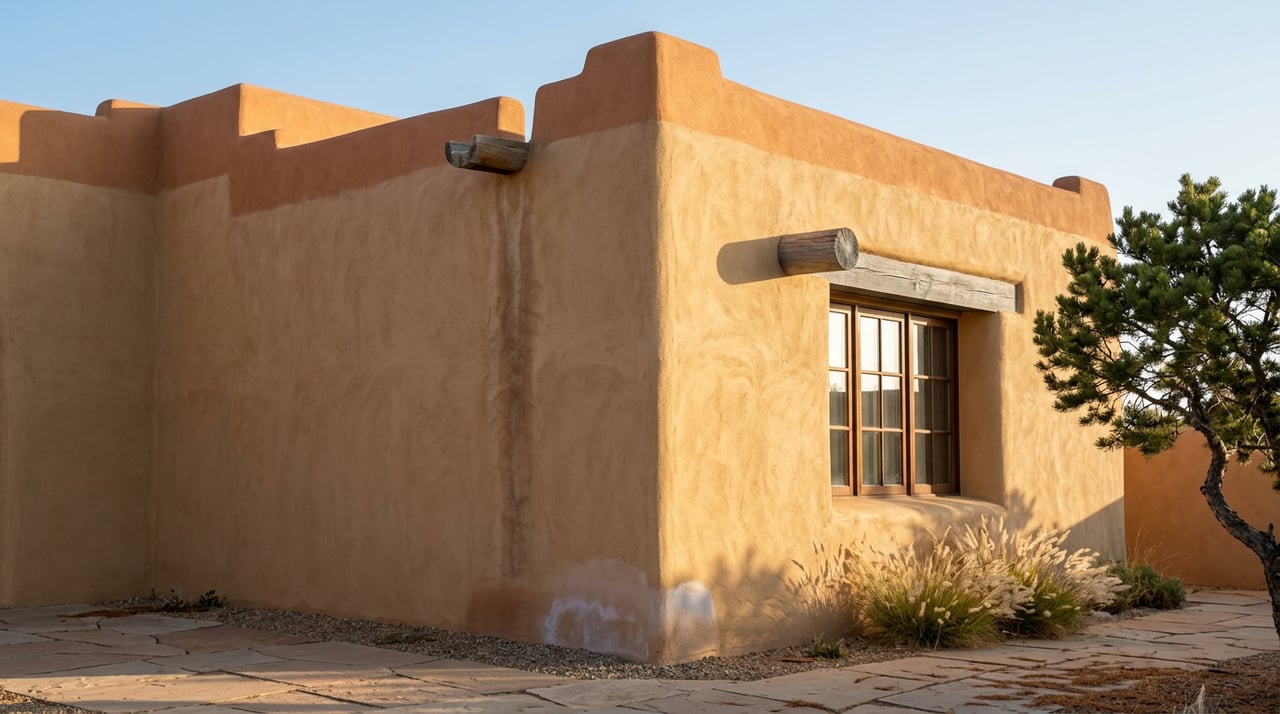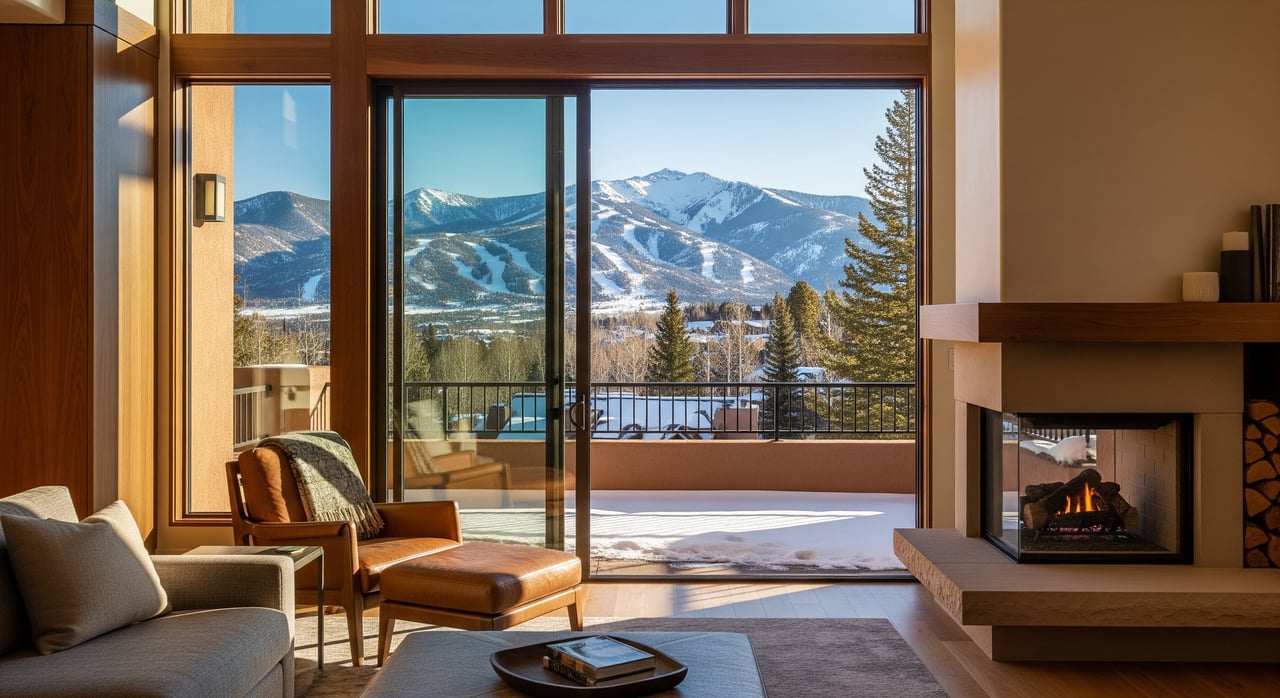
Are you eyeing a ski-area condo in Red River and wondering what those HOA fees really pay for? You are not alone. In a mountain resort town with heavy snow and seasonal demand, HOA budgets can look different than in cities. In this guide, you will learn what fees typically include, what is not covered, how to evaluate reserves and assessments, and how to estimate your true monthly cost for a Red River condo. Let’s dive in.
What HOA fees cover in Red River
Red River is a high-elevation resort community where snow, freeze–thaw cycles, and year-round recreation shape condo budgets. Many associations manage shared buildings and amenities that require steady upkeep. While line items vary by building, HOA fees here commonly cover:
- Exterior and common-area maintenance: roof, siding, paint, decks and balconies, stairs, walkways, and stairwells.
- Snow and ice management: plowing of driveways and parking lots, shoveling walkways and stairs, and roof snow removal if needed.
- Common utilities and services: lighting and electricity in halls and exteriors, dumpster or trash service for shared areas, and sometimes shared cable or Internet for common spaces.
- Building systems: elevator upkeep if present, boiler or common HVAC service where applicable, and parking area or garage maintenance.
- Insurance and administration: master property and liability insurance for buildings and common areas, HOA management fees, accounting, and legal services.
- Reserves and capital planning: scheduled contributions to a reserve fund for major future repairs or replacements.
- Amenities: hot tubs, fitness rooms, ski storage, shuttles, landscaping, security, and pool upkeep where offered.
Always ask for a current HOA budget that lists what is and is not included for the specific condo you are considering.
What HOA fees usually do not include
Your monthly HOA dues typically do not pay for personal obligations. Plan to budget separately for:
- In-unit utilities like electric, gas, interior water, and sometimes trash.
- Your mortgage, property taxes, and homeowner’s interior insurance (commonly H06).
- Cleaning, management, or added wear-and-tear costs if you do short-term rentals.
Special assessments and reserves
Special assessments are one-time charges to owners for larger projects that the reserve fund cannot cover. In mountain condos, common triggers include major roof or deck replacement, structural repairs after water intrusion, elevator replacement, or parking lot reconstruction following severe weather.
A healthy reserve fund is designed to prevent surprise assessments by saving for known future costs. Many associations use reserve studies to estimate useful life and replacement costs for key components. When you evaluate a condo, request the following:
- Current reserve fund balance and the most recent reserve study or summary.
- History of special assessments over the past 5–10 years, including reasons and amounts.
- Details on any assessments that have been voted on but not yet billed.
- The operating budget and year-to-date actuals for the current fiscal year.
Low reserves relative to the age and condition of the building are a common cause of assessments. Ask how the board sets reserve contributions and whether reserves have been underfunded. Confirm how assessments are allocated among owners and whether payment plans are available.
Short-term rentals and HOA rules
Short-term rental activity in Red River can affect HOA wear and tear, insurance needs, and budgets. There are two layers of rules to understand before you buy:
- HOA documents: CC&Rs and rules may allow, limit, or prohibit short-term rentals. They may require rental registration, minimum stays, approved management companies, or extra fees.
- Local and state requirements: The Town of Red River and Taos County manage licensing and transient lodging taxes, and New Mexico imposes gross receipts and local lodgers’ taxes. Verify current registration, tax collection, and occupancy requirements before you plan any rentals.
If rentals are common in the building, expect higher turnover and more frequent use of common areas. Lenders and underwriters may also view projects with high investor or rental concentration differently, which can affect some loan programs. Always obtain the HOA’s rental policy in writing.
Lender review basics for condos
Many loans require a project review to ensure the condo building meets underwriting standards. Your lender will typically look at:
- Budget and reserves: evidence of adequate reserves and a balanced operating budget.
- Insurance: sufficient master hazard and liability coverage and related bond requirements.
- Litigation: any pending or threatened claims involving the HOA or developer.
- Occupancy and investor mix: the share of owner-occupied vs. investor-owned units.
- Delinquencies: the percentage of owners behind on dues.
- Single-entity ownership and commercial space: concentrations that can change risk.
Lenders often request a completed condo questionnaire from the HOA and documentation like CC&Rs, bylaws, budgets, reserve studies, meeting minutes, and insurance certificates. If you plan to use FHA or VA financing, confirm project eligibility early and work with a lender experienced in condo reviews.
Calculate your true monthly cost
To avoid surprises, build a full monthly picture before you make an offer. Start with:
- Base HOA fee: get the exact monthly or quarterly amount and what it covers.
- Utilities not included: estimate electric, gas, interior water, and Internet.
- Property taxes: annual amount divided by 12.
- Interior condo insurance: H06 or similar policy not covered by the master policy.
- Rental-related costs: if you plan STRs, add cleaning, management commissions, and added wear or insurance costs.
- Assessment buffer: use the HOA’s history to model a possible one-time assessment and amortize it over a few years as a contingency.
Red flags to watch
A careful review can protect your budget and peace of mind. Pay close attention to:
- No reserve study or very low reserve balances for an older building.
- Frequent or large special assessments in recent years.
- Significant HOA litigation or insurance claims.
- High delinquency rates on dues or a large single owner holding many units.
- Gaps in master insurance or very high deductibles.
- Ambiguous or frequently changed rental rules that create uncertainty.
Your buyer checklist
Before or during your contract period, request and review these items:
- Most recent annual budget and current year budget with line-item detail.
- Current reserve study or summary and the latest reserve and operating bank statements if available.
- HOA meeting minutes from the last 12–36 months.
- CC&Rs, bylaws, rules, and any rental registration forms or addenda.
- Master insurance declaration page with coverage types, limits, and deductibles.
- Written disclosure of any pending or recently voted assessments.
- A fee schedule and an estoppel or ledger showing the seller’s assessment status.
- Owner-occupancy vs. investor percentages if available.
- Management and vendor contracts that affect the budget, such as snow removal or shuttle services.
- Any litigation disclosures.
Key questions to ask the HOA or seller:
- What exactly does the HOA fee cover, in writing?
- Have there been special assessments in the past 5–10 years? How much and why?
- Are capital projects planned in the next 1–5 years? Are they funded?
- What is the current delinquency rate on dues?
- Who provides snow removal and roof services? Are contracts in place?
- Are there any code violations or open insurance claims from weather damage?
- How are assessments allocated among owners?
Work with local experts
Buying a condo in a mountain resort is different from buying in town. Snow loads, seasonal use, and rental patterns all show up in the budget. When you evaluate HOA fees in Red River, lean on a team that knows the buildings, the documents, and the lender process. If you are comparing multiple condos, we can help you gather the right HOA paperwork, interpret reserves and insurance, and coordinate with lenders who understand resort projects.
Ready to run the numbers and find the right fit? Connect with The Hoffmann Team for a clear, local plan to your Red River condo purchase.
FAQs
What do Red River condo HOA fees typically include?
- They often cover exterior and common-area maintenance, snow and ice removal, common utilities, master insurance for the building and shared spaces, reserves for future repairs, and amenities like hot tubs or shuttles where offered.
What is a special assessment in a condo HOA?
- It is a one-time charge to owners to fund larger projects when reserves are not sufficient, commonly for roof or deck replacement, structural repairs, or major system upgrades.
How do short-term rentals affect HOA fees and rules?
- Heavy STR use can increase wear and insurance needs, and HOAs may require rental registration or limit rentals; always verify HOA documents and current town licensing and tax requirements before renting.
What do lenders review before approving a condo loan?
- Lenders assess the HOA’s budget, reserves, insurance, litigation, owner-occupancy ratios, and delinquency rates, and they typically require a completed condo questionnaire and project documents.
How can I estimate my true monthly condo cost?
- Add the base HOA fee, any in-unit utilities not covered, property taxes, interior insurance, potential STR costs, and a buffer for possible assessments based on the HOA’s history.
Are HOA fees tax deductible for condo owners?
- Tax treatment depends on your use and situation; consult a qualified tax professional for guidance on deductions, gross receipts, and local lodging taxes if you plan to rent.