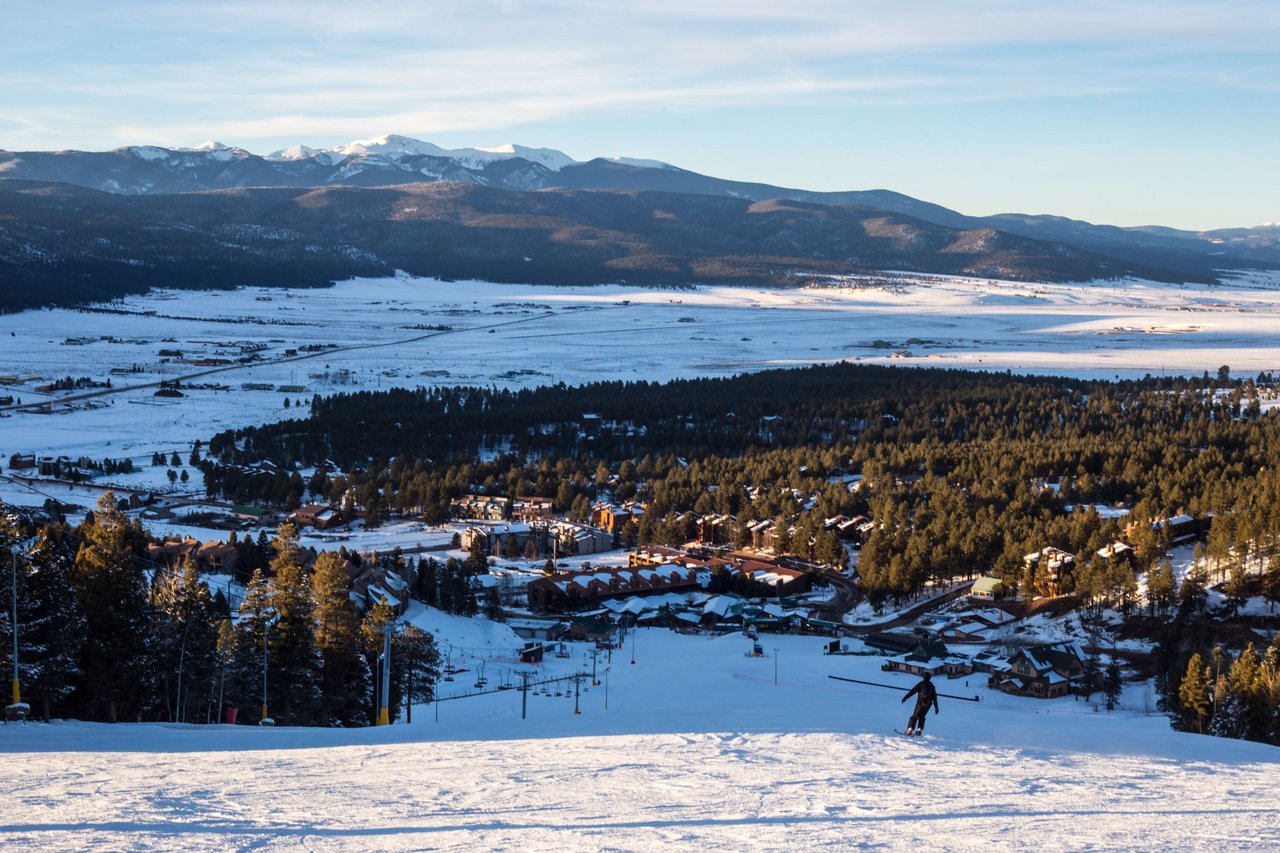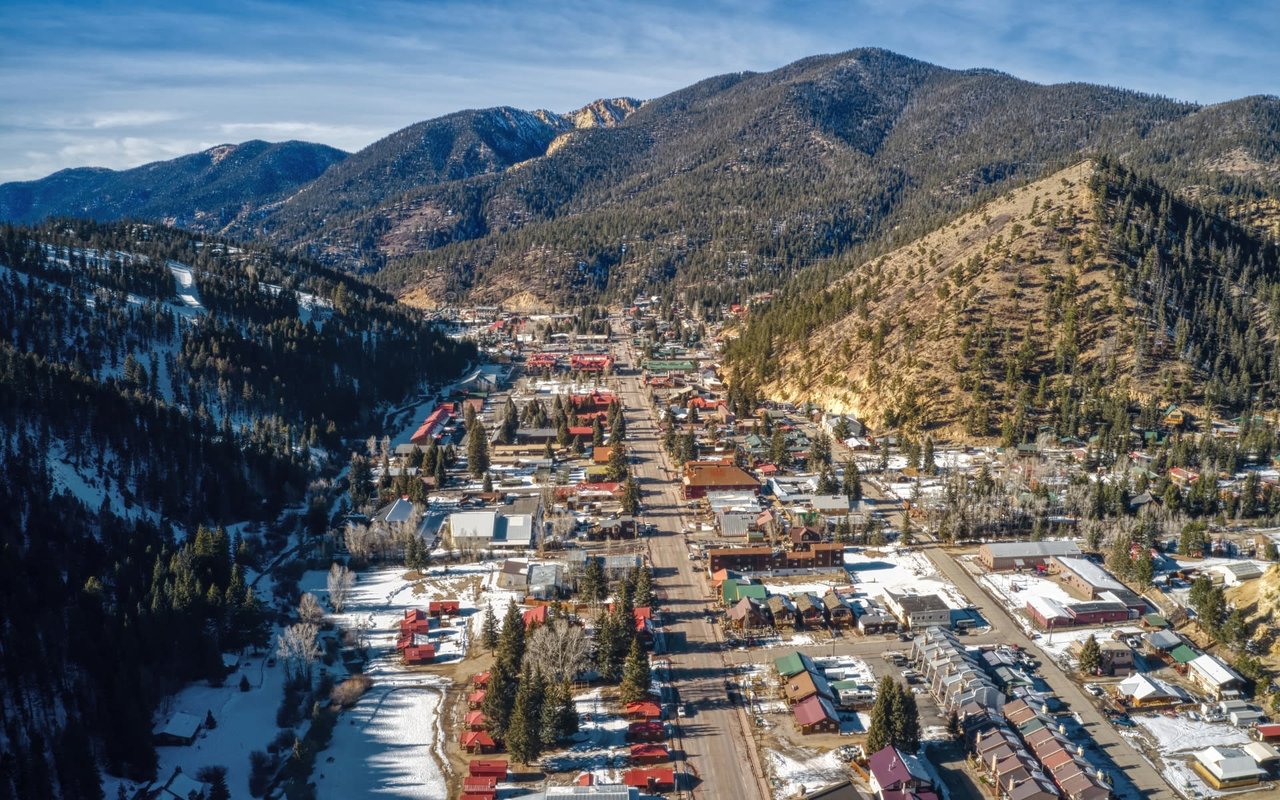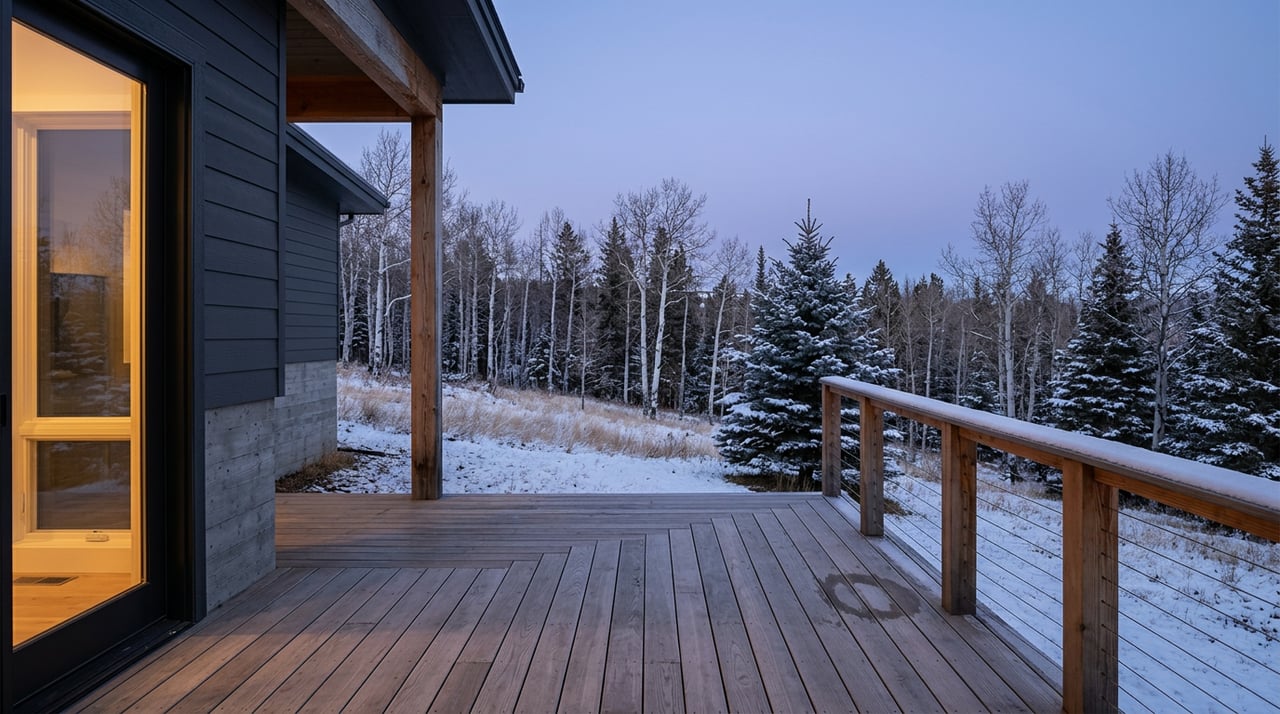
You picture a cabin tucked in the pines, crisp air, and big views. Buying land in Angel Fire can make that vision real, but “build‑ready” means more than a pretty lot. You want clear answers on utilities, access, permits, and what it will truly take to break ground. This guide walks you through the due diligence, timelines, and common pitfalls so you can choose the right parcel with confidence. Let’s dive in.
Know who approves your build
Before you fall in love with a lot, confirm who regulates it. Start by asking if the parcel sits inside the Village of Angel Fire limits or in unincorporated Colfax County. Inside the Village, you will work with local Planning & Zoning for land‑use approvals and the State’s Construction Industries Division for building code plan review and inspections. You can find contacts and checklists on the Village’s Planning & Zoning page.
- Village planning and zoning, forms, and contacts: Village of Angel Fire Planning & Zoning
- State building code and inspection guidance: New Mexico Construction Industries Division FAQs
Many resort‑area subdivisions also have recorded covenants and require Architectural Control Committee approval for your exterior plans. If your lot is within Angel Fire Resort subdivisions, expect an additional review for siting, materials, tree removal, driveways, and more. Review the right covenant document for your specific lot early and clarify the submittal timeline with the committee.
- Resort‑area covenants and ARC info: Angel Fire Environmental and Architectural Control Committee
What makes a lot buildable
A buildable lot checks out on zoning rules, HOA requirements, utilities, access, and site conditions. Here is how to size that up in Angel Fire.
Zoning and site standards
Every parcel has a zoning district that sets uses, setbacks, lot coverage, and height limits. Some districts also specify minimum principal building floor area. Steep lots may face added standards, including wider minimum lot widths and more complex foundation or drainage solutions. If your design needs a variance, plan for added review time with the Planning & Zoning Commission and Village Council.
HOA covenants and ARC review
If your lot is under Resort covenants, an ARC review is usually required in addition to Village and state permits. ARC rules often address roof pitch, exterior colors, windows, tree thinning, and retaining walls. Ask for the correct recorded Declaration for the lot and request the ARC application packet before you design. Early feedback can save time and redesign costs.
- ARC guidance: AFE/ACC committee overview and resources
Utilities: water, wastewater, power, and internet
Water and sewer. Some parcels can tap into the Village systems. Others will rely on a private well and a septic system. Always get a written Water and Sewer Availability Statement or guidance from the Village utilities office. The application packet explains meter and tap processes, and the Conditional Liquid Waste agreement that ties septic approvals to the Village building application.
- Applications and utility guidance: Village Water and Sewer Applications
Septic systems. If municipal sewer is not available, New Mexico Environment Department (NMED) permits onsite wastewater systems. You will need a site evaluation and percolation or test trench results before design and permitting. Soil, slope, and rock can influence the type and cost of system required.
- Septic permits and standards: NMED Liquid Waste Program
Wells and water rights. Domestic wells require permitting and come with yield uncertainty. Ask a licensed local driller for feasibility and likely depths. The State Engineer administers well permitting and water rights. When in doubt, bring in a well professional early.
Power and broadband. Kit Carson Electric Cooperative serves Angel Fire for electricity and has widespread fiber internet availability through Kit Carson Internet. Confirm drop location, trenching, transformer needs, and connection fees during your contingency period.
- Electric and broadband availability: Kit Carson Electric and Internet
Heating and gas. Natural gas is typically not available in many mountain areas. Most owners use electric and propane. Confirm propane delivery access and tank siting early in the design.
Access and winter maintenance
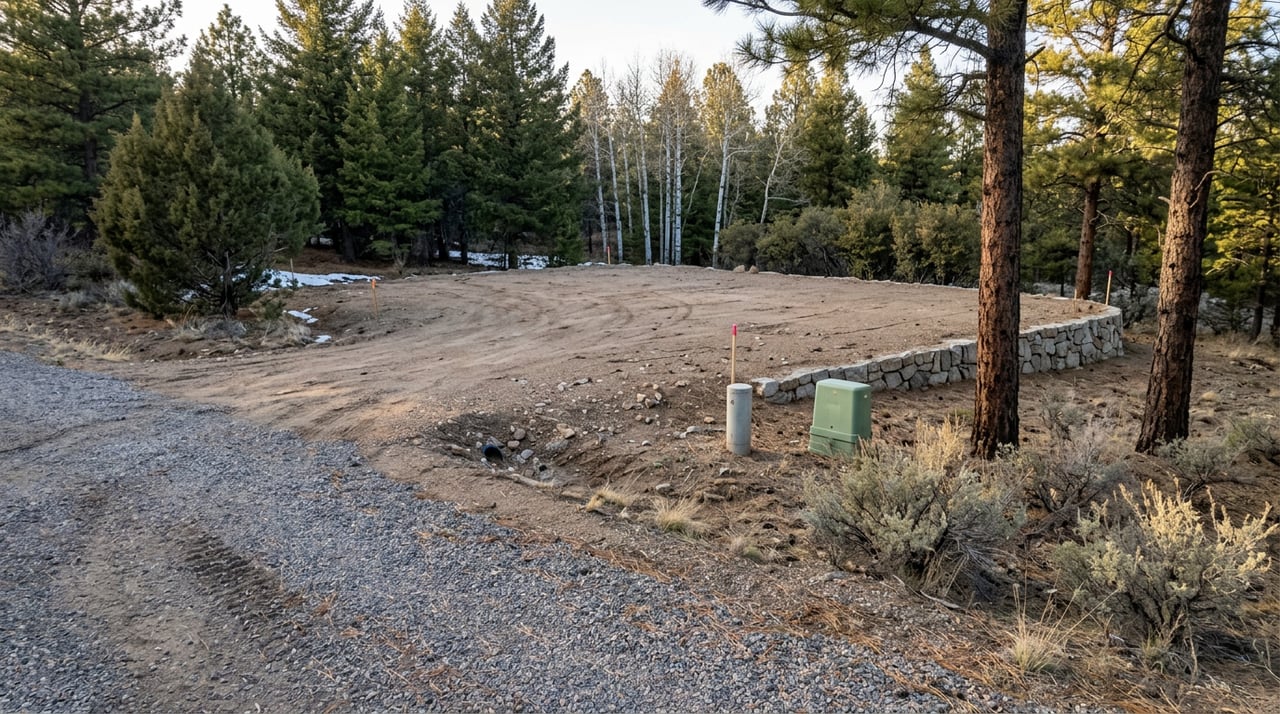
Angel Fire’s elevation and snow seasons make access planning critical. Verify whether your road is public or private and who plows and maintains it in winter. Steep, long driveways can trigger added costs for grading, culverts, snow storage, and safe vehicle turnarounds. The Village requires an encroachment permit for driveway work in the right‑of‑way and specifies culvert sizing and restoration rules.
- Road ownership and maintenance context: Village Road Classifications Map
- Driveway and culvert rules: Village Encroachment Permit application
Site conditions and environmental risk
Slope drives foundation type, retaining walls, and drainage. On steep parcels, budget for a topographic survey and a geotechnical report. For lots without sewer, percolation tests will define where a drain field can go and can limit the building footprint. Also check for flood‑hazard mapping, potential erosion paths, and wildfire risk. In this forested region, plan for defensible‑space thinning and home‑hardening as part of your budget and insurance readiness.
Step‑by‑step: from offer to permit
Use this sequence to move from first look to a permitted build with fewer surprises.
Pre‑offer checks
- Confirm the lot is inside Village limits or in the county so you know which rules apply. Start with the Village Planning & Zoning office and zoning map resources.
- Ask whether Resort covenants and ARC rules apply and request the correct recorded Declaration for the parcel.
- Look at the road classification for the access street and note if a driveway permit will be needed.
- Contact Village utilities for a Water and Sewer Availability Statement. If municipal service is not available, prepare to evaluate wells and septic.
Helpful resources:
- Local approvals and contacts: Village Planning & Zoning
- Utility forms and requirements: Water and Sewer Applications
- Road ownership and winter maintenance context: Road Classifications Map
During escrow: tests and studies
- Order a boundary survey and, for financing, an ALTA survey. Request a topographic survey for accurate siting and driveway planning.
- Hire a geotechnical engineer to evaluate soils, rock, and foundation recommendations. This is essential on sloped or rocky sites.
- If no municipal sewer is available, schedule a site evaluation and percolation or test trenching with an NMED‑approved professional. Use results to design the septic system and understand footprint limits.
- If drilling a well, get feasibility opinions and preliminary quotes from a licensed local driller. Discuss likely depths, yields, and schedules.
- If the parcel is under ARC rules, seek early feedback on siting, materials, and tree work before finalizing house plans.
Approvals before construction
- NMED. Submit the liquid‑waste application, test results, and design if you are not on sewer. This approval is needed prior to final inspections and often pairs with the Village’s Conditional Liquid Waste Agreement.
- Village. Apply for zoning clearances, site plan checks, and any encroachment permit for your driveway. If required, submit an ARC application and obtain approvals per your subdivision’s rules.
- State CID. Submit the residential building permit application and plans for state code review and inspections. With a complete application, the CID notes an expedited practice for straightforward residential plans.
Useful links:
- Septic permitting: NMED Liquid Waste Program
- Village permit checklists and forms: Village Building and Permits
- State building‑permit guidance: CID FAQs
Inspections and final signoffs
During construction, state CID handles building inspections. NMED inspects or requires documentation for septic acceptance. The Village inspects driveways and right‑of‑way restoration and issues water or sewer meter installations where applicable. If your lot is under ARC rules, expect final confirmations of exterior compliance.
Timelines and budgeting basics
Every site is different, but here is a simple way to plan. On a straightforward lot with no variances, allow roughly 2 to 4 months for local and state approvals. ARC reviews and hearing schedules can add time, as can engineered septic systems or complex foundations.
For site costs, think in ranges and keep a contingency for mountain conditions. Septic systems vary based on soil and slope. National consumer surveys often cite complete systems from roughly 4,000 dollars to 20,000 dollars, with engineered designs costing more on challenging sites. Always confirm with an NMED‑approved designer and local installers.
- Septic cost context: HomeAdvisor septic cost overview
Well drilling costs depend on geology, depth, and distance to the home. Expect meaningful variation and get quotes from local drillers to build an accurate budget. For driveways and access, include the Village encroachment permit, culvert materials, grading, and a restoration deposit that is refundable after inspections. Steep or long drives, retaining walls, and rock excavation can add tens of thousands of dollars, which is why the geotechnical report is so valuable.
Common pitfalls to avoid
- Assuming “build‑ready” covers everything. Clarify in writing what the seller means. Does the lot have stubbed utilities, completed ARC approval, or only conceptual plans That label is not the same as a state building permit.
- Water ambiguity. A private well always carries yield uncertainty. If you are not on municipal water, talk to a local driller and confirm permit requirements before you commit to a design.
- Septic surprises. Until you have test results, you cannot know the drain field size or type. Unsuitable soils, shallow rock, or steep slopes can require engineered systems and new budgets.
- Underestimating access. Long, steep driveways and winter plowing can be a major cost. Review the Road Classifications Map and the encroachment permit specs so you can plan culverts, widths, and turnarounds.
- HOA and ARC constraints. Covenants may set minimum floor areas, limit certain materials, or control tree removal. Early ARC conversations prevent redesigns later.
- Wildfire and insurance. Many forested parcels will need defensible‑space thinning and home‑hardening. Some insurers may require mitigation to bind or maintain coverage. Include this work in your plan.
Pre‑purchase checklist you can download
Save or print this checklist and use it during your search and escrow period.
- Verify if the parcel is inside Village limits and note the zoning district. Start here: Village Planning & Zoning
- Pull recorded covenants and easements from county records. Confirm the correct Resort covenant set if the lot is in the Resort area.
- Request a Water and Sewer Availability Statement or guidance from the Village utilities office. Review meter and tap application steps: Water and Sewer Applications
- Order a boundary and topographic survey. If no sewer is available, schedule percolation or test trenches and engage an NMED‑approved septic designer: NMED Liquid Waste Program
- Confirm road ownership and winter maintenance responsibility. Check if a driveway encroachment permit is needed and get culvert specs: Road Classifications Map and Encroachment Permit
- Contact Kit Carson for electric drop and fiber availability. Request a written estimate: Kit Carson Electric and Internet
- If applicable, request ARC submittal requirements and timelines. Use the correct covenant document.
- Engage a licensed local well driller for feasibility and preliminary pricing. Plan for pump and electrical components if proceeding.
- Build a budget that includes off‑site utility extension, driveway and culvert, grading or blasting, wildfire mitigation, and contingency.
Your next step
If you want a smart, low‑stress path to building in Angel Fire, start with clear due diligence and a team that knows the terrain. From zoning and ARC approvals to surveys, utilities, and contractor introductions, you deserve a process that respects your time and your goals. When you are ready to compare lots or pressure test a parcel’s buildability, reach out to The Hoffmann Team for local guidance and a curated plan.
FAQs
What does “build‑ready” mean in Angel Fire
- It usually means a seller believes utilities, access, and approvals are straightforward, but you must verify items like water or sewer availability, ARC requirements, and driveway permits with the Village, HOA, and state.
How long do permits take for a new home in the Village of Angel Fire
- On a straightforward lot, plan about 2 to 4 months for local and state approvals, with more time if you need variances, ARC hearings, or an engineered septic system.
What if municipal water or sewer is not available to my lot
- You will likely use a private well and an NMED‑permitted septic system, which requires site testing and a designed system that fits the soils, slope, and available space.
Who handles building inspections for a new home in Angel Fire
- The New Mexico Construction Industries Division manages building code plan review and inspections, while the Village handles local site and right‑of‑way items and utilities.
Do I need a permit for my driveway and culvert in Angel Fire
- Yes, if your driveway affects the public right‑of‑way, the Village requires an encroachment permit that specifies culvert size, driveway width, restoration, and inspection timelines.
Can I rely on HOA or ARC pre‑approval to start building
- No. ARC approval is separate from state building permits and Village approvals. You need each approval in the correct order before construction can begin.