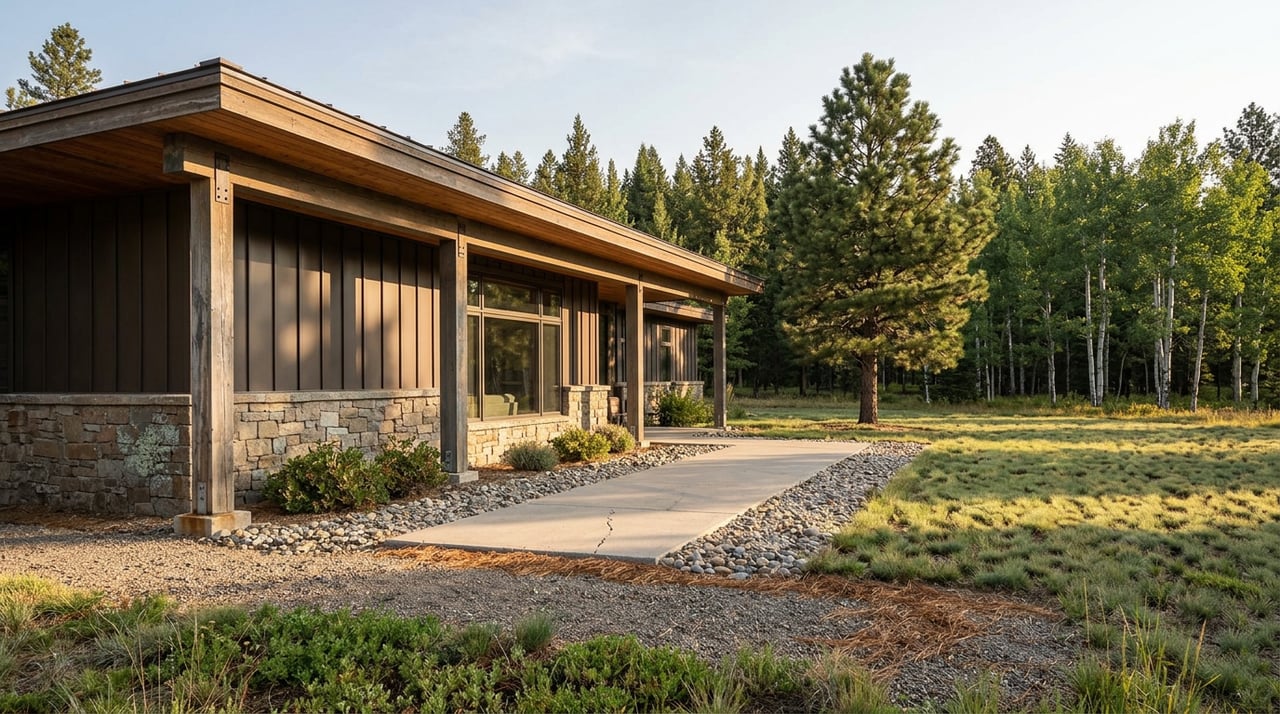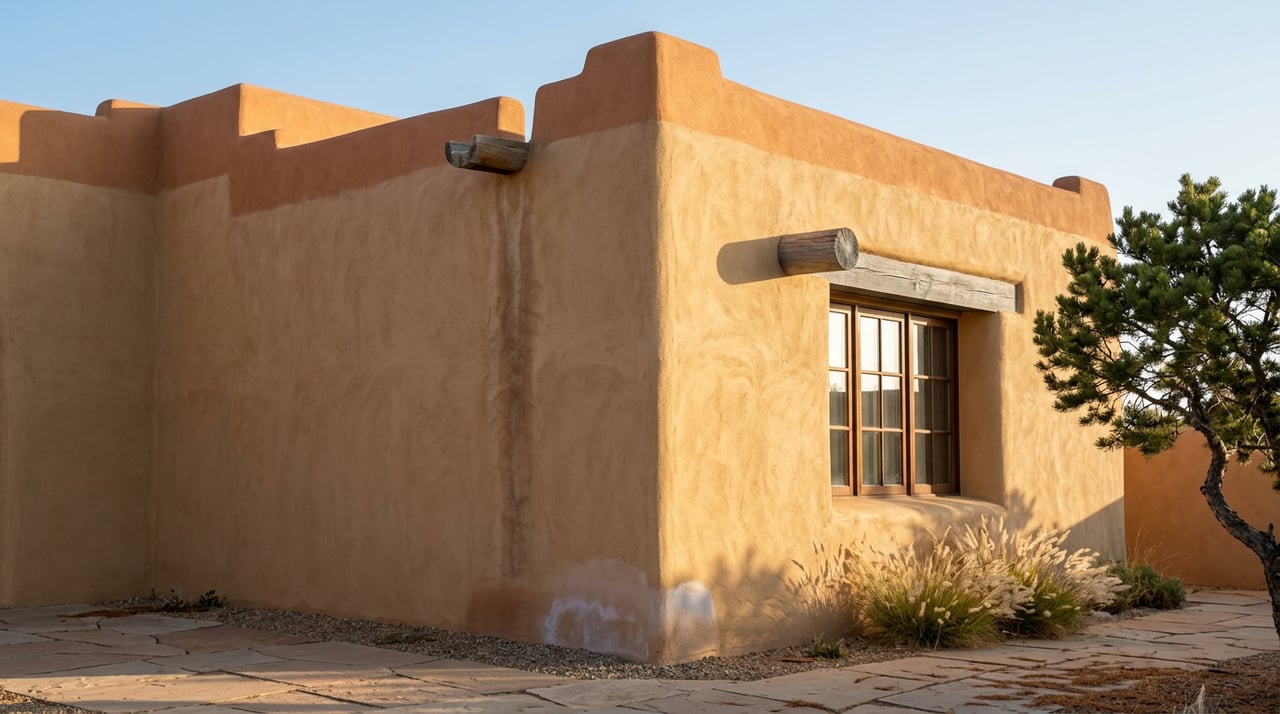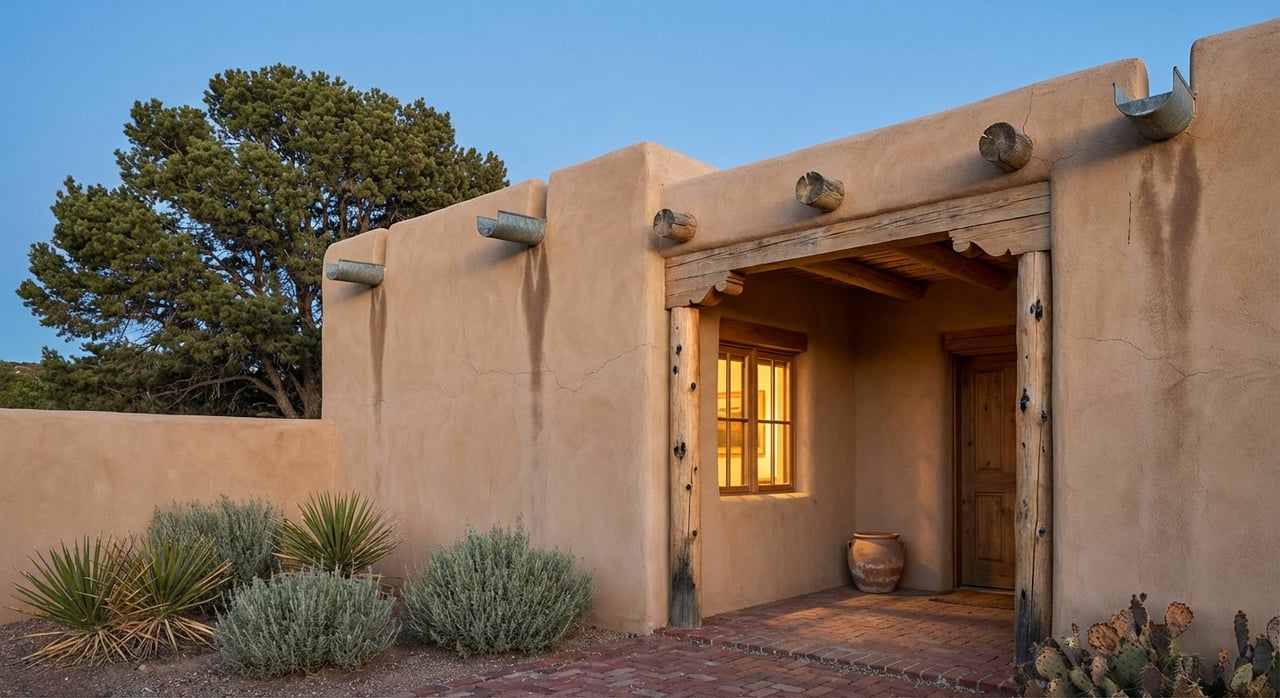
Thinking about an adobe home in Taos? Those thick walls, soft curves, and wood vigas catch your eye for a reason. You want the character of the Southwest, but you also want to understand comfort, maintenance, and what to inspect before you buy. This guide gives you a clear, practical overview tailored to Taos, so you can shop with confidence and plan smart next steps. Let’s dive in.
Adobe in Taos: what you’re seeing
Adobe in Taos is part of a living regional tradition. The nearby Taos Pueblo, a UNESCO World Heritage Site, is the historic model many homes draw from, with flat roofs, deeply recessed windows, and projecting vigas. Learn more about this heritage at the National Park Service’s overview of Taos Pueblo.
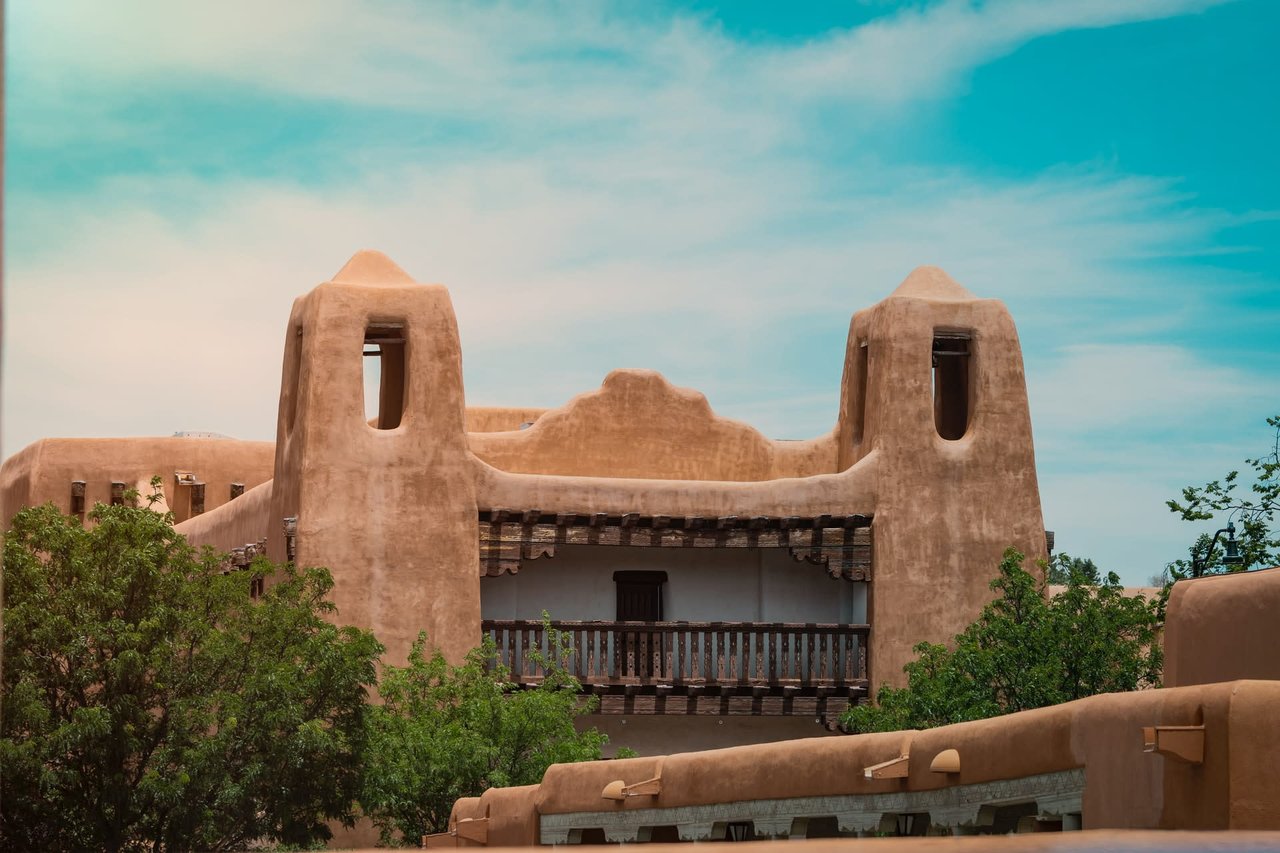
Many local homes reference Pueblo Revival forms rather than being pure adobe. You will often see thick earthen walls, flat or very low-slope roofs with parapets, exposed wood vigas and latillas, and kiva-style fireplaces. For a concise primer on these elements, see this summary of Pueblo architecture.
How adobe homes are built
Traditional adobe uses sun-dried earth bricks set with earthen mortar and finished with clay or lime plasters. The materials are simple, local, and breathable, which helps walls manage moisture. Guidance from preservation experts emphasizes like-for-like repairs using compatible, vapor-permeable finishes. See the National Park Service’s Preservation Brief on historic adobe buildings.
Roofs matter a lot. Historic roofs were flat with earth over vigas, while many Taos homes today use modern membranes or even pitched metal in snow-prone areas. Good scuppers, flashings, and parapet details are your first defense against water. For practical roof and detailing notes, review this guide on building with earth.
Thick adobe walls provide thermal mass. That mass stores heat during warm periods and releases it during cool periods, which smooths big temperature swings. The Green Builder “Earth” guidance explains how mass works and why breathable finishes matter for durability and comfort. Explore their earth-building guidelines.
Comfort and energy in Taos’s climate
Taos sits at about 6,900 feet, with sunny days, cold winter nights, and wide day-to-night temperature swings. These conditions are where adobe’s thermal mass shines, since it helps moderate daily highs and lows. For climate context, see the Taos, New Mexico overview.
One key point: adobe’s steady-state R-value is relatively low compared to modern insulated walls, especially at typical thicknesses. The lived experience can still feel comfortable because mass delays and evens out heat flow. For energy planning, the biggest wins usually come from air sealing, roof and attic insulation, high-performance windows, and right-sized heating and cooling.
Practical upgrade priorities in Taos:
- Improve air tightness and upgrade windows or add compatible storm units.
- Add or improve attic and roof insulation, and ensure a reliable roof membrane.
- Consider modern cold-climate heat pumps or efficient radiant systems, sized and controlled for adobe’s mass. For case-by-case guidance that protects historic materials, see the National Park Service’s preservation by topic.
Common risks and maintenance
Adobe is durable when it stays dry. Moisture is the number one long-term risk, especially from roof leaks, poor drainage, splash-back at the base of walls, or incompatible cement coatings that trap water. The National Park Service’s Preservation Brief explains why proper detailing and breathable plasters are essential for longevity. Review the guidance on moisture and adobe preservation.
Incompatible modern stuccos can crack, trap moisture, and accelerate decay. Earthen or lime plasters let walls dry and are easier to repair in small patches. Roof leaks can also lead to decay in wood elements like vigas and latillas where they meet the wall.
Plan for a light but steady maintenance rhythm:
- Visual inspection: once a year, check roof flashings, scuppers, parapets, and the base of walls.
- Plaster upkeep: spot-repair exposed areas every 1 to 3 years as needed, and consider periodic re-coats. Lime finishes often last longer, and some owners refresh limewash annually.
- Roof care: clear scuppers and downspouts, check after heavy snow, and replace membranes on schedule. For roof detailing tips, see the practical guide on earth-building construction.
If you see long vertical cracks that widen over time, bulging walls, or crumbly base courses, you may be looking at moisture or foundation concerns. Research shows that moisture at the base reduces lateral strength and can trigger out-of-plane failures. For a technical snapshot of moisture effects, see this MDPI study on adobe performance.
Seismic considerations
Adobe is heavier and less tolerant of tension than framed structures. That means it is more vulnerable in earthquakes. The good news is that tested, minimally invasive solutions exist, including ring beams, discreet wall anchors, and tie systems. These approaches were developed and validated through the Getty Seismic Adobe Project. If you have seismic questions, consult engineers familiar with GSAP methods.
What to ask and what to inspect
Documents and seller questions
Ask for a clear repair history and dates for roof replacement, full re-plastering, structural work, and HVAC changes. Verify that permits were pulled when required. The Town of Taos Planning and Community Development office maintains processes and records. Start with Planning and Zoning at the Town of Taos site.
Ask whether the exterior was ever coated with cement stucco and why. If it was, ask what steps were taken to allow the walls to dry and whether there is a plan for compatible finishes going forward. Request photos and invoices for any past moisture or foundation work.
Inspectors to hire
- A home inspector who understands adobe and earth buildings.
- A structural engineer familiar with adobe and seismic retrofits, especially for older or multi-story homes.
- Moisture diagnostics, including moisture meter readings and infrared imaging where appropriate, plus a review of site drainage and grading.
- A roofer experienced with flat membranes, scuppers, and parapets, and with flashing where pitched roofs meet adobe walls.
- Hazard and systems checks, including inspection of exposed timbers and an HVAC performance review.
For conservation-minded inspection principles, review the NPS Preservation Brief on adobe buildings and, for roof detailing, see the practical guide on earth-building construction.
Written answers to secure
- Were permits obtained for significant roof, structural, or re-plaster work, and can you get copies? The Planning office is a good place to confirm. Check the Town of Taos Planning page.
- What materials were used in past repairs, and were they like-for-like and breathable? If not, ask why and what the plan is to manage moisture safely.
Renovation and energy upgrades
When you improve an adobe home, keep breathability front and center. Vapor-permeable plasters and careful assemblies let the wall dry after weather events. Exterior rigid insulation can raise the R-value, but it changes the assembly and appearance, so it needs careful design. Interior insulation can reduce the thermal mass benefit and, if done incorrectly, introduce moisture risks.
Start with low-invasiveness, high-benefit measures:
- Tighten the building with air sealing and better windows or storms that respect any historic look.
- Add attic and roof insulation and make sure the roof membrane is robust and well detailed.
- Upgrade to modern, cold-climate heat pumps or efficient hydronic systems with smart controls.
For energy planning in historic buildings, consult preservation-focused guidance that weighs comfort, efficiency, and material health. The National Park Service offers practical resources under preservation by topic.
Local rules and permits in Taos
If the property sits in a historic district or has heritage value, exterior changes and some repairs may require design review or specific finishes. The Town of Taos has a Planning and Zoning office and a Historic Preservation Commission that review applications and provide guidance. Begin early with the Town of Taos Planning and Community Development page to understand requirements and to check past permit records.
Buyer quick-start checklist
- Line up an inspector experienced with adobe, and add a roofer and structural engineer if the home is older or shows cracking.
- Request a written repair and maintenance history with dates and materials, plus copies of permits where applicable.
- Ask directly about any cement stucco, moisture stains at the base of walls, and roof leak history.
- Schedule moisture diagnostics and review site drainage and grading.
- Budget for ongoing plaster touch-ups and annual roof checks as part of ownership.
If you want the character of Taos with confidence in how the home performs, you can get there with the right due diligence and a clear maintenance plan. For tailored advice on adobe homes, neighborhood context, and a curated search that fits your goals, reach out to The Hoffmann Team. We combine local expertise in Taos with streamlined remote-buyer tools to make your purchase smooth from first showing to closing.
FAQs
What makes adobe comfortable in Taos’s climate?
- Adobe’s thick walls act as thermal mass that stores heat during the day and releases it when temperatures drop, which helps smooth Taos’s large day-to-night swings; for energy planning, pair that mass with air sealing, good windows, and roof insulation as outlined in the Earth building guidelines and the Taos climate overview.
How often should adobe plaster be maintained?
- Expect annual visual inspections, spot repairs every 1 to 3 years depending on exposure, and periodic re-coats over longer intervals, with breathable clay or lime finishes recommended by the NPS Preservation Brief.
What are the biggest red flags when viewing a Taos adobe home?
- Look for long or widening vertical cracks, bulging walls, or soft, crumbly adobe at the base that may indicate moisture or foundation issues; moisture near the base reduces lateral strength, as shown in this MDPI study.
Do I need permits for adobe repairs or exterior changes in Taos?
- Many significant repairs and exterior changes require permits, and properties in historic areas may have design review; verify requirements and past permits with the Town’s Planning office at the Taos Planning and Community Development page.
Are there proven seismic retrofits for adobe buildings?
- Yes, engineers use tested, minimally invasive methods such as ring beams, discreet wall anchors, and ties developed under the Getty Seismic Adobe Project; consult professionals familiar with GSAP guidance.