Dreaming of wide-open views, starry nights, and room for horses or a garden? Buying ranch or acreage property in Taos can deliver that lifestyle, but the details are different from a typical in-town home. You want to protect your investment and avoid surprises. In this guide, you’ll learn what to look for with water, access, utilities, hazards, and permitting so you can buy with confidence. Let’s dive in.
What “ranch and acreage” means in Taos
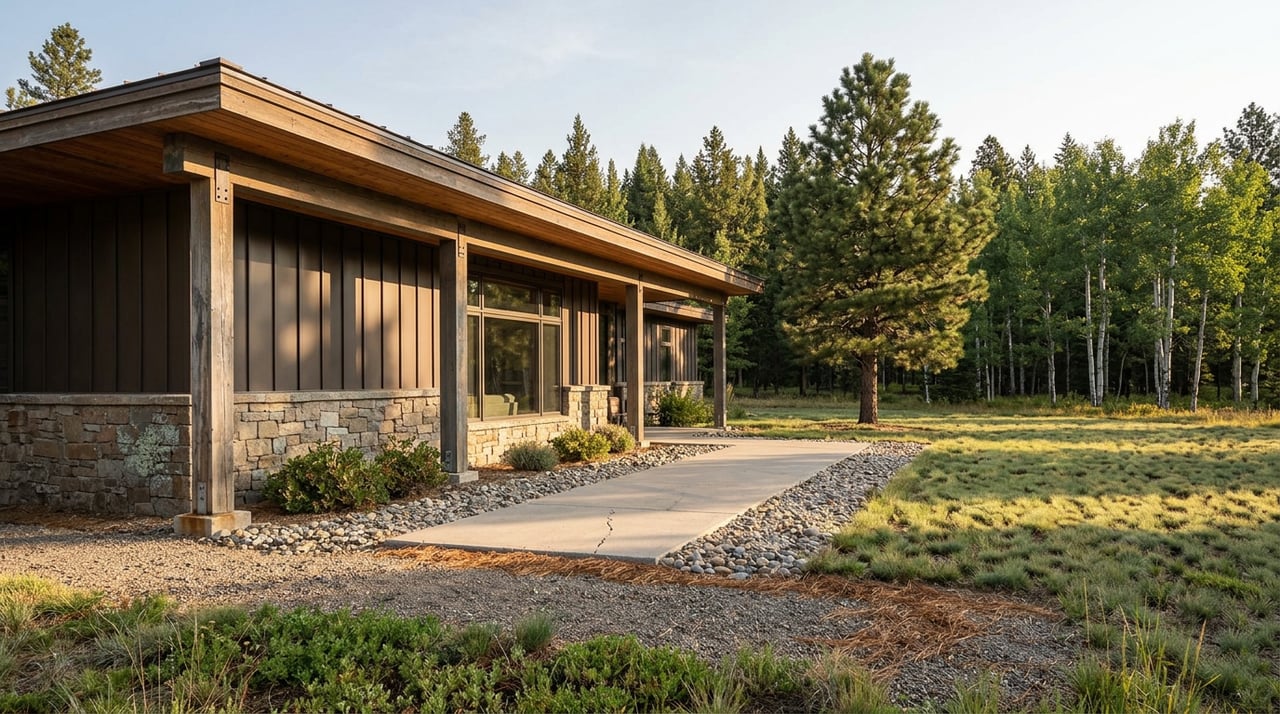
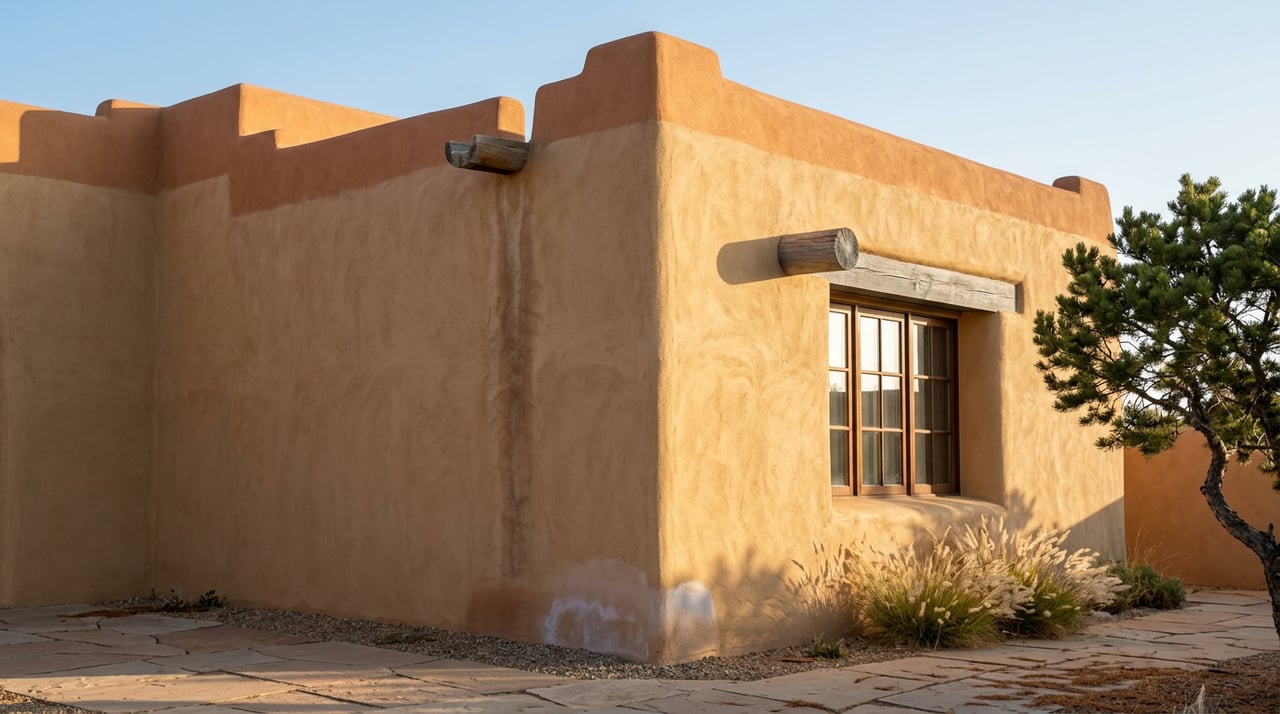
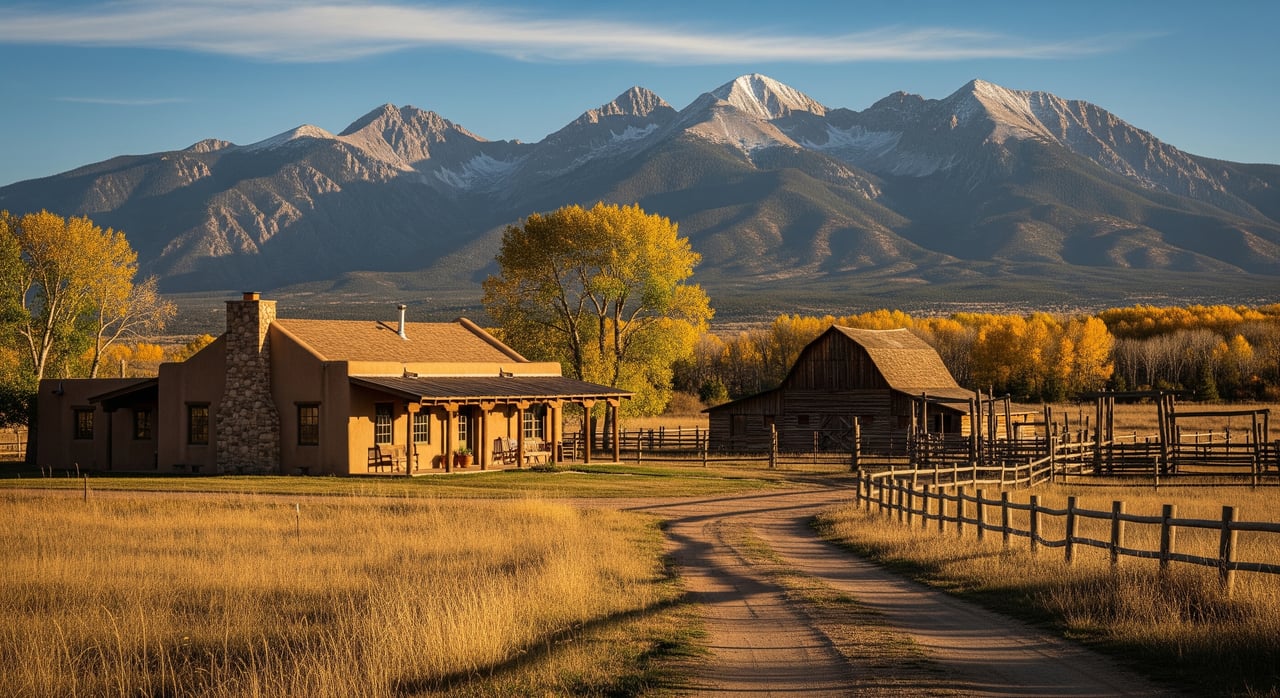
Ranch and acreage properties around Taos range from small ranchettes of a few acres to large working ranches with hundreds of acres. Parcels can be fully private, part of older ranch subdivisions, or adjacent to public lands like Carson National Forest or BLM. Elevation and terrain vary from irrigated valley meadows to sagebrush mesa and high-timbered mountain slopes.
Common property types
- Irrigated acequia parcels with historic ditch water for hay or pasture.
- Dryland grazing on sage and grasslands with limited irrigation.
- Forest-adjacent tracts at higher elevations with timber and winter access considerations.
- Subdivided ranchettes or gated communities with covenants, HOAs, and private roads.
- Conservation-encumbered parcels with easements that limit development.
Location tradeoffs to weigh
- Valley bottomlands: better soils and irrigation potential, plus easier year-round access, but inventory is limited and demand is high.
- Mesa and foothills: typically lower per-acre prices, though water is more limited and winter access can be challenging.
- Mountain parcels: striking scenery and recreation access, but shorter growing seasons and potential winter hazards in narrow canyons.
Water and irrigation: your top priority
In northern New Mexico, water is the deal maker. Water rights are governed by prior appropriation, and surface water rights linked to acequias are separate from groundwater wells. Rights can be tied to the land or severed, so you need clear documentation.
Acequia and surface rights
Acequias are community-managed irrigation ditches with bylaws, membership, and annual assessments. If a parcel has surface rights, those rights come with responsibilities, and keeping them active can depend on historic use and ditch maintenance. If an acequia serves your fields, you will want records of delivery, assessments, and any infrastructure needs.
Wells and domestic vs. irrigation
Domestic wells and irrigation use are not the same. A domestic well that serves a home usually has different allowances than irrigation for livestock or fields. New wells and well use are regulated by the New Mexico Office of the State Engineer, and every well should have a permit and a well log. If you plan to add irrigation, verify feasibility before you buy.
Water due diligence checklist
- Confirm recorded surface water rights and priorities in title records, including acequia documentation and historic use.
- Verify any existing well with the state engineer’s records and ensure permits match actual use.
- Order a well flow test and water-quality test for bacteria, nitrates, hardness, and arsenic.
- Ask the acequia about assessments, maintenance schedules, and delivery history.
- Consult soil and irrigation feasibility with local extension or NRCS.
Access, easements, and title
Reliable, legal access is essential. Some rural lanes are county maintained, while others are private roads with shared maintenance. Winter snow, mud season, and steep grades can affect year-round use.
Roads and winter access
Confirm who maintains the road and whether there is a road maintenance agreement. Ask about plowing patterns, snow storage, and costs. If a route crosses private land, check that ingress and egress are recorded and not just informally allowed.
Easements and mineral rights
Easements for utilities, roads, pipelines, or trails can limit where you build. In New Mexico, mineral rights are sometimes owned separately from surface rights. Know what rights you are buying and whether subsurface rights owners have entry rights.
Survey and title best practices
- Order a current boundary survey to confirm acreage and avoid encroachments. An ALTA/NSPS survey is advisable for complex tracts.
- Obtain title insurance and review exceptions carefully.
- Verify any unrecorded agreements, prescriptive access, or historic routes across federal or neighboring lands.
Utilities, septic, and connectivity
Not every rural parcel has power at the lot line or a modern septic system. It is important to plan for infrastructure early and get cost estimates in writing.
Power, propane, and backup
Some properties are on-grid while others are off-grid or require line extensions. Many rural homes use propane for heating and cooking. Backup generators and solar can add resilience, especially for remote sites.
Septic and wastewater
Most rural homes use on-site septic systems. Permits and approvals run through county environmental health. Some parcels need percolation tests, engineered solutions, or system upgrades to meet current code. Setbacks from wells and streams apply.
Internet and cell coverage
Connectivity is variable. Fixed wireless, DSL or cable may be available in limited corridors, while fiber is more common closer to town. Remote parcels often rely on satellite. Cell coverage can be spotty in valleys and mesas, so test your carrier on site.
Zoning, HOAs, and permits
Taos County and the Town of Taos handle land use differently, so confirm your parcel’s jurisdiction before planning any improvements.
County vs. town rules
Rural parcels in the county typically require separate approvals for wells, septic, building permits, and driveways. The town has its own processes. Larger homes or sensitive sites may trigger extra review.
Covenants and conservation easements
Subdivision covenants or HOA rules can regulate fencing, livestock, lot coverage, and accessory buildings. Conservation easements, held by local land trusts, can restrict subdivision and commercial uses. Read these documents closely and plan accordingly.
Timeline expectations
Permitting steps for well drilling, septic, site plans, and building can take weeks to months based on site conditions and agency workloads. Budget enough time and sequence your applications to avoid delays.
Natural hazards and land suitability
Mountain environments come with unique risks and responsibilities. Understanding these factors will inform your insurance, site planning, and land management.
Wildfire and defensible space
Piñon-juniper and ponderosa zones carry wildfire risk. Ask about local mitigation programs and create defensible space around structures. Some insurers require mitigation or adjust premiums based on risk.
Flood and erosion
Valley parcels near rivers, arroyos, or washes can be in mapped flood zones. Seasonal runoff and ephemeral channels can shift water and sediment. A site walk during dry weather and a review of floodplain maps help you plan safe building locations.
Soils, slope, and growing season
Soil depth, drainage, and slope affect septic suitability, road layouts, and pasture potential. Elevation controls frost-free days, so higher tracts have shorter growing windows. NRCS resources can help you choose appropriate crops or grasses for your site.
Wildlife and fencing
Proximity to public lands may increase wildlife traffic and pressure on gardens or pastures. Plan for wildlife-aware fencing and storage, and verify any hunting or access rules on your property.
Taxes, financing, and insurance
Your carrying costs and loan options depend on use, access, and property characteristics. Lenders and insurers treat rural acreage differently from suburban homes.
Agricultural valuation
Taos County can offer agricultural-use valuation that may reduce property taxes if you meet activity thresholds. Keep documentation of grazing, hay production, or other qualifying uses when you apply.
Financing options
Conventional loans may have extra requirements for large acreage, nonstandard access, or complex water situations. Specialized lenders, including Farm Credit associations and local banks, often understand rural parcels better. USDA Rural Development programs may be options in certain areas if you qualify.
Insurance considerations
Wildfire exposure, remoteness, and floodplain status affect eligibility and premiums. Some carriers may require mitigation steps or exclude coverage without them. If a parcel is in a flood zone, budget for flood insurance.
Your buyer toolkit: step-by-step
Use this checklist to structure your due diligence and keep your purchase on track.
- Water: Verify recorded surface rights and acequia records, confirm well permits, and test water flow and quality.
- Access: Confirm legal, recorded year-round access and any road maintenance agreements.
- Survey and title: Order a current survey and secure title insurance. Ask about mineral rights and all easements.
- Utilities: Get written estimates for power extension, propane setup, and communications options.
- Septic: Inspect existing systems or conduct perc tests and design for new systems.
- Soils and site: Review soils, slope, and building feasibility. Consider geotechnical input on steep sites.
- Hazards: Evaluate wildfire, floodplain, and erosion risks and mitigation requirements.
- Rules: Confirm zoning, permits, HOA or covenant restrictions, and any conservation easements.
- Taxes and financing: Ask the assessor about agricultural valuation criteria. Speak with lenders experienced in rural acreage.
- Team: Line up a knowledgeable local agent, title company, surveyor, well and septic professionals, and contacts at acequias and county departments.
How The Hoffmann Team helps
Buying acreage in Taos is exciting, and it is also technical. You deserve a partner who can flag issues early and guide you through rural-specific details. With dual offices in Taos and Angel Fire, a team-based approach, and national marketing alignment, we help you navigate water, access, utilities, and permitting so you can focus on the lifestyle you want.
- Curated property search tailored to your water, access, and utility needs.
- Local introductions to surveyors, title companies, acequia contacts, and rural lenders.
- Remote-buyer support with video walk-throughs and coordinated inspections.
- Clear timelines and checklists so you close confidently.
Ready to explore ranches and acreage in Taos? Connect with the local experts at The Hoffmann Team to start your search.
FAQs
What should I verify first when buying acreage in Taos?
- Start with water and legal access. Confirm recorded water rights and well permits, and verify a recorded, year-round access route.
How do acequias affect my use of irrigated land?
- Acequia membership often runs with the land and includes assessments and maintenance obligations, so review bylaws, delivery history, and any infrastructure needs.
Can I use a domestic well to irrigate fields or livestock?
- Domestic wells have different allowances than irrigation use, and converting to irrigation may require additional approvals that are not always feasible.
Do I need a new survey for a large rural tract?
- A current boundary survey is recommended to confirm acreage, resolve encroachments, and map easements, especially for complex or older parcels.
What utilities should I plan for on remote parcels?
- Expect propane for heating, possible line extensions for power, and satellite or fixed wireless internet. Get written estimates for all hookups.
How do wildfire and flood risks affect my purchase?
- Risk levels influence site planning, mitigation requirements, and insurance premiums, so review maps, consult local fire resources, and evaluate defensible space.
Can I lower property taxes with agricultural valuation?
- If you meet use thresholds for active agriculture, you may qualify for agricultural-use valuation. Confirm current criteria with the county assessor.
Which lenders finance large acreage in Taos?
- Farm Credit associations, local community banks, and lenders experienced with rural properties often offer better options and guidance than standard residential programs.