Thinking about turning a Taos home or condo into a vacation rental? You are not alone. With year-round appeal and strong winter and summer peaks, Taos can deliver compelling returns if you buy and operate with a plan. In this guide, you will learn how to comp nightly rates, model occupancy, estimate costs and taxes, and choose the right management approach for your goals. Let’s dive in.
Start with your property and guest
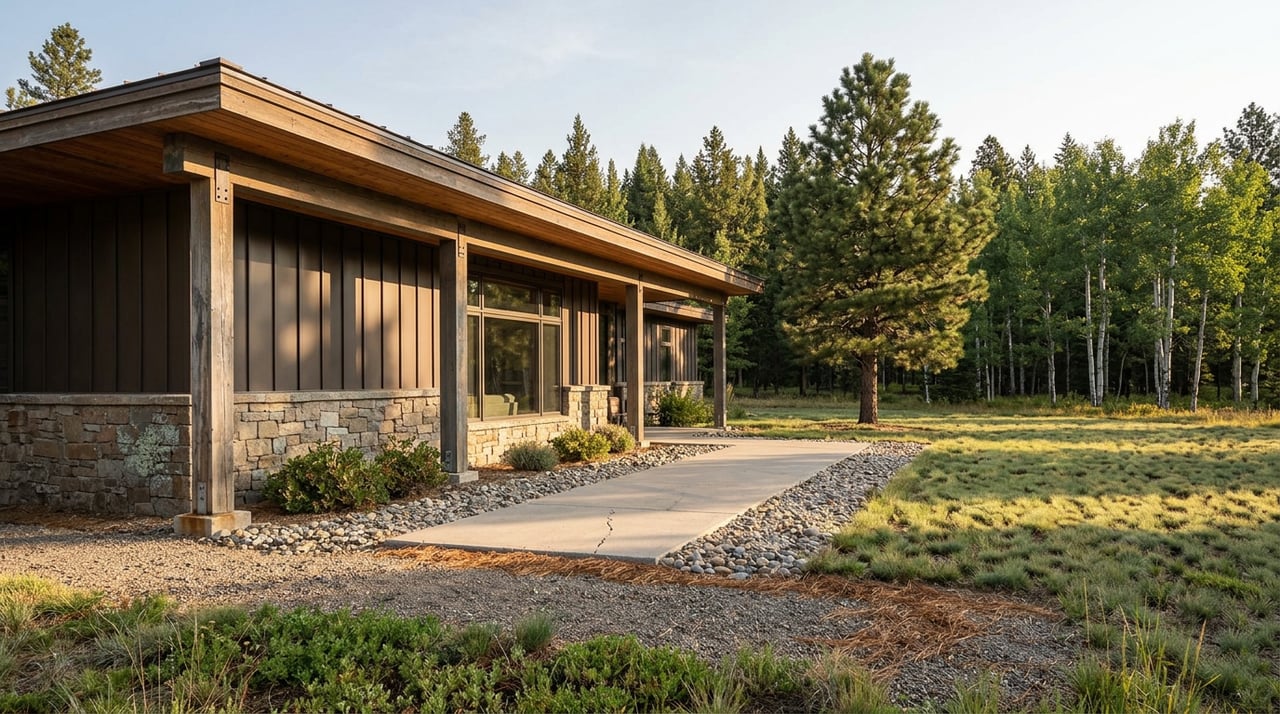
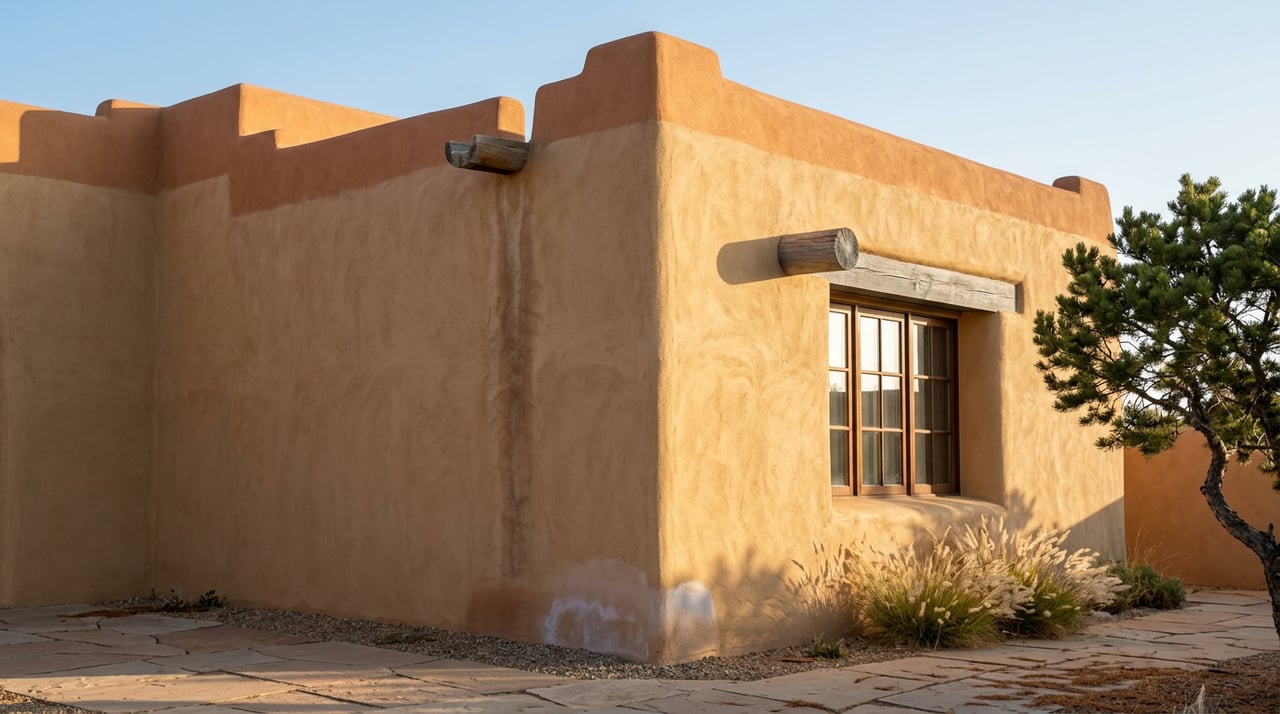
Before you pull comps, define your exact product. Bed and bath count, whole home versus private room, proximity to Taos Ski Valley or downtown Taos, and views or outdoor features all affect price and demand. Amenities like a fireplace, hot tub, pet policy, and reliable winter parking and access also matter in this mountain climate.
Think about who you want to serve. In Taos, common guest segments include winter ski visitors, summer outdoor and arts travelers, weekenders from Albuquerque and Santa Fe, multi-day cultural tourists, and event-driven guests. Your comp set should mirror the needs of your target guest as closely as possible.
Build a comp set and forecast
Use trusted data sources
Pull 12 to 24 months of data on comparable listings. Tools such as AirDNA, AllTheRooms, and InsideAirbnb provide market-level average daily rates, occupancy, and seasonality curves. Cross-check with manual scans of Airbnb and Vrbo listings to see real calendars, minimum stays, cleaning fees, and cancellation policies. This helps you model realistic net revenue per booking.
Step-by-step comping method
- Define a comp set of 6 to 12 active listings that match your bed and bath count, whole-home type, and micro-location. Stay within 1 to 3 miles or the same neighborhood.
- Pull 12 to 24 months of monthly ADR and occupancy for the comp set. Note night-of-week patterns and minimum-stay rules.
- Create three scenarios: conservative at about 80 percent of local average ADR and occupancy, base at 100 percent, and upside at 110 to 120 percent if your amenities are superior.
- Adjust for platform host fees, cleaning fees, owner-use days, maintenance downtime, and any minimum-stay gaps that reduce bookable nights.
- Run sensitivity tests. Model ADR plus or minus 10 to 20 percent and occupancy plus or minus 10 percentage points. In mountain markets like Taos, test winter and summer performance separately.
Understand Taos seasonality
- Winter ski season often drives the strongest ADR and occupancy, especially for properties with convenient access to Taos Ski Valley. Expect higher minimum stays around holidays and peak ski weeks.
- Summer brings a second demand peak with outdoor recreation and arts tourism. The ADR spread between ski-access and town properties tends to narrow compared to winter.
- Spring and fall shoulder seasons can be softer, with midweek occupancy dips. Spring can be variable if ski conditions end early.
- Weekends usually outperform weeknights due to easy drive markets. Mark event dates and holidays on your pricing calendar to capture spikes.
Underwrite revenue and costs
Core formulas to use
- Gross Potential Revenue (GPR) = ADR × 365 × Occupancy Rate
- Adjusted Gross Revenue = sum of booked nights × booked nightly rate minus host-side platform fees
- Net Operating Income (NOI) = Adjusted Gross Revenue minus Operating Expenses minus Variable Costs
- Cash-on-Cash Return = Pre-tax cash flow after debt service ÷ Cash invested
- Add an owner-use vacancy allowance of 5 to 10 percent if you plan to use the home.
Operating costs to include
- Fixed and recurring
- Property management fees. Full service is often 18 to 30 percent of rental revenue. Co-hosting is commonly 10 to 20 percent or a flat fee. Always validate with local vendors.
- Utilities. Electricity, gas or propane, water, sewer, and Internet. Heating loads run high in winter, so model peak months carefully.
- Property taxes and insurance. Short-term rental coverage is often more expensive than standard homeowner policies.
- HOA fees if applicable. Some HOAs restrict or prohibit STRs.
- Annual permits or business licenses.
- Mortgage or debt service if you finance the purchase.
- Variable and operating
- Cleaning and turnover. Budget per stay. In many markets it ranges from about 75 to 300 dollars, depending on size and services.
- Consumables and supplies like toiletries and linens.
- Maintenance, landscaping, and snow removal. Many owners reserve 5 to 10 percent of gross revenue for upkeep, with higher reserves for older properties.
- Marketing, professional photos, and optional direct-booking site costs.
- Platform fees for Airbnb or Vrbo per current schedules.
- One-time or periodic capex
- Furnishings and staging at setup.
- Major replacements such as HVAC, appliances, roof, or septic. Consider reserving 1 to 3 percent of property value annually or use a flat annual placeholder for older homes.
Taxes and compliance in Taos
Short-term rentals in New Mexico are subject to state taxes and may require registration with the state. Start with the New Mexico Taxation and Revenue Department to confirm registration steps and gross receipts tax obligations. Many local jurisdictions also levy lodging or lodgers’ taxes. Verify rates and filing rules with Taos County and the Town of Taos for properties inside town limits. Platforms sometimes remit certain taxes in some places. Confirm what is and is not remitted on your behalf and what you must file directly. Plan to report rental income on federal and state returns and consult a CPA who understands short-term rentals.
Know your jurisdiction and rules
If the home sits inside Taos town limits, follow the Town of Taos code and any STR registration. Properties in Taos County but outside town limits follow county rules. Taos Ski Valley is separately incorporated and may have its own program. If your property belongs to an HOA, review covenants for any short-term rental restrictions before you buy or convert.
Permits and safety checkpoints
- Short-term rental registration or a business license if required by your jurisdiction
- Lodgers’ tax registration and clear remittance process
- Zoning and occupancy limits that allow STR use at the address
- Safety items like smoke detectors, carbon monoxide alarms, egress, and fire extinguishers per local code and insurance
- Upfront knowledge of fines and enforcement for noncompliance
Where to confirm requirements
- State registration and GRT: New Mexico Taxation and Revenue Department
- County planning, zoning, and business services: Taos County
- Town of Taos and Taos Ski Valley municipal websites for current STR pages and forms
Decide how to manage the rental
Compare management models
- Self-management
- Pros: higher net, direct control of pricing and guest experience.
- Cons: time intensive, requires local vendors and reliable snow management.
- Co-host or part-time manager
- Pros: lower fee than full service, support for messaging and coordination.
- Cons: you still stay involved and fee structures vary.
- Full-service manager
- Pros: turnkey operations, dynamic pricing, marketing, local compliance help.
- Cons: higher fees, less direct control. Review revenue splits, repair limits, and termination terms.
Use pricing tools to fine tune rates regardless of your model. Budget for software or channel costs if you add these tools. For operational standards and education, explore the Vacation Rental Management Association.
Example model workflow
- Build monthly ADR and occupancy curves from your comp set.
- Estimate bookings per month, then calculate monthly revenue as ADR_month × nights in month × occupancy.
- Deduct management fee, cleaning per booking, platform host fees, utilities, and a monthly allocation of insurance and property taxes.
- Add lodging and gross receipts taxes on taxable revenue based on current rules.
- Run three scenarios and a sensitivity test. Include a 5 to 10 percent owner-use reserve and a 5 to 10 percent maintenance reserve.
Taos vacation rental checklist
- Property and market
- Bed and bath count, whole home or room listing
- Map distance to Taos Ski Valley, downtown Taos, and trailheads
- Unique features: hot tub, fireplace, views, parking, pet policy
- Comping and revenue
- Pull 12 to 24 months of ADR and occupancy for 6 to 12 comps via AirDNA, AllTheRooms, and manual Airbnb or Vrbo scans
- Build monthly curves and conservative, base, and upside scenarios
- Sensitivity: ADR plus or minus 10 to 20 percent, occupancy plus or minus 10 points
- Costs and taxes
- Get cleaning and housekeeping quotes
- Estimate utilities with winter load adjustments
- Confirm property tax and any HOA rules
- Register with the New Mexico Taxation and Revenue Department. Confirm local lodging tax rules with Taos County or the Town of Taos
- Check whether platforms remit local lodging taxes or if you must file
- Permits and legal
- Confirm STR registration or license requirements by jurisdiction
- Verify zoning, occupancy limits, and safety items
- Review HOA covenants for any restrictions
- Operations and insurance
- Get quotes from three managers and two to three cleaning and snow removal vendors
- Obtain short-term rental insurance or policy endorsements
- Prepare guest rules, house manual, and emergency contacts
- Final underwriting
- Build a month-by-month pro forma including taxes and a capex reserve
- Compute NOI and cash-on-cash under three scenarios
- Choose a management model using a time versus net revenue decision matrix
Key metrics you will track
- ADR (Average Daily Rate) = total booked revenue ÷ booked nights
- Occupancy Rate = booked nights ÷ available nights
- RevPAR = ADR × Occupancy Rate
- Gross Yield = annual gross revenue ÷ purchase price
- NOI = revenue minus operating expenses (pre-debt)
- Cash-on-Cash Return = cash flow after debt service ÷ cash invested
Recommended resources
- Market research and comps: AirDNA, AllTheRooms, InsideAirbnb
- Operations and education: Vacation Rental Management Association
- Platform host support: Airbnb Help for Hosts, Vrbo host resources
- Taxes and registration: New Mexico Taxation and Revenue Department, Taos County
Ready to evaluate a specific Taos property or compare neighborhoods around the Ski Valley and town? We pair local, boots-on-the-ground insight with data-driven underwriting to help you buy confidently and operate legally. Reach out to The Hoffmann Team to talk strategy or to see on-market and private opportunities.
FAQs
How do I estimate revenue for a Taos ski-access home versus in-town?
- Build two separate comp sets by micro-location and amenity set, then model monthly ADR and occupancy for each set and compare winter and summer curves before choosing your base scenario.
Which months are the strongest and weakest for Taos short-term rentals?
- Winter ski season typically shows the highest ADR and occupancy for ski-access properties, summer is the second peak, and spring and fall shoulders often see softer midweek demand.
What cleaning and utility costs should I assume in Taos?
- Cleaning is usually priced per turnover and can range roughly from 75 to 300 dollars based on size and scope; for utilities, model higher winter heating loads and allocate monthly averages across the year.
What permits and taxes apply to a Taos short-term rental?
- Confirm state registration and gross receipts tax with the New Mexico Taxation and Revenue Department and verify any local lodging tax registration and filing rules with Taos County or the Town of Taos.
Do platforms like Airbnb or Vrbo remit lodging taxes for me in Taos?
- Remittance policies vary by jurisdiction and platform, so check current rules and confirm which taxes are collected and remitted by the platform and which you must file directly.
Should I self-manage or hire a local manager in Taos?
- Compare your time commitment and desired control against fee structures; self-management can net more but requires a reliable local vendor team, while full-service management costs more but is turnkey.
How should I budget for owner use when modeling occupancy?
- Deduct a 5 to 10 percent owner-use vacancy allowance from available nights, prioritizing lower-earning periods to protect revenue potential during peak weeks.