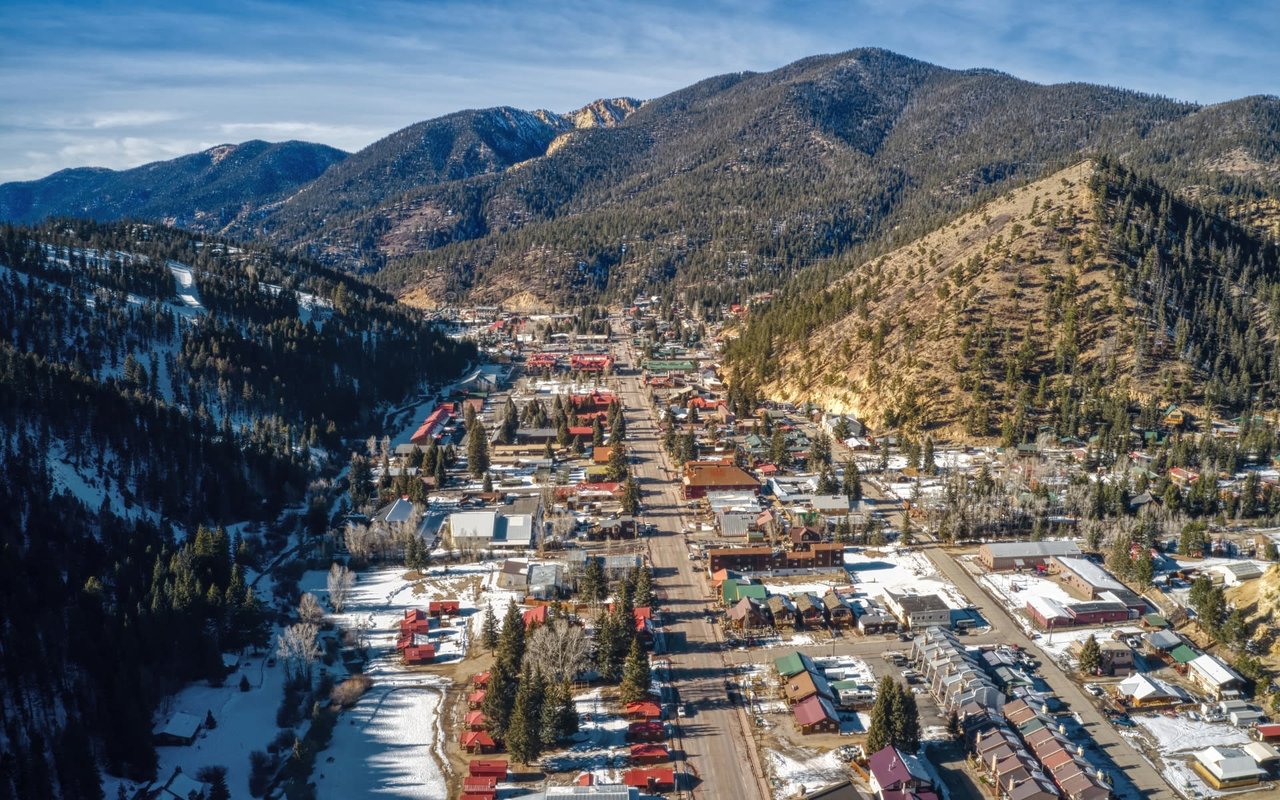
Buying in Angel Fire can feel simple at first glance, then suddenly get complicated when HOA dues, resort membership tiers, and amenity access all enter the picture. If you are considering a condo, cabin, lot, or second home in the resort area, you need more than a quick overview. You need to understand what ownership may require, what dues may cover, and what questions to ask before closing. Let’s dive in.
How Angel Fire Resort membership works
In Angel Fire’s resort area, ownership often comes with required membership tied to the property. According to Angel Fire Association of Property Owners and current resort materials, the system works as a mix of property-owner governance and resort membership, with the resort owning the amenities and the property owner structure overseeing dues and amenity use.
For many properties in the recorded resort subdivisions, membership is not optional. The governing rules state that owners in the designated resort membership area are members and must pay membership dues and assessments. That makes it especially important to confirm whether a property is actually inside the required membership area before you buy.
This matters because not every property in greater Angel Fire is structured the same way. A home, condo, or lot may carry different obligations depending on its parcel, subdivision, and deed structure. Before you fall in love with a property, make sure you know exactly how membership applies to that specific address.
What dues may look like
Current resort-facing materials show a tiered membership structure. For the membership year running from May 1, 2026, through April 30, 2027, the benefits sheet lists Base Membership at $1,765 and Platinum at $3,820.
Those numbers are useful, but they are not the whole story. The same benefits sheet says pricing and benefits can change without notice. It also says base dues are prorated based on the date of sale or purchase, while Platinum upgrade fees are not prorated or refunded.
Older governing documents use different tier labels than the current benefits sheet. For you as a buyer, the key takeaway is simple: membership category, cost, and access can vary, so you should confirm the current structure for the exact parcel you are considering.
What HOA-style dues typically cover
In Angel Fire Resort, dues and assessments generally support the maintenance, operation, improvement, and development of amenities. Governing materials state that annual assessments help defray the cost of constructing, maintaining, improving, repairing, and operating those amenities.
That means your dues are tied closely to the resort lifestyle side of ownership. Rather than thinking of them only as a traditional neighborhood HOA fee, it is more accurate to view them as part of the ongoing cost of access to a year-round resort community.
The rules also say annual assessments may be reviewed each year and may increase with CPI, rounded up to the nearest five dollars. In addition, AAFPO says special assessments for capital improvements can be levied with board consent, and that no special-assessment increase should be charged until the improvement is fully in service.
Which amenities are commonly included
One of the biggest reasons buyers choose Angel Fire is the range of amenities connected to resort ownership. AAFPO identifies the core amenity package as including the ski mountain, RV park and stables, Olympic Park, greenbelts and trails, Monte Verde Lake, the country club and facilities area, the golf course, and pickleball courts.
The current benefits sheet also presents these amenities as included with dues, including the ski mountain, Olympic Park, tennis courts, golf course, Monte Verde Lake, stables, RV park, pickleball courts, and greenbelt trails. This supports the idea that membership is designed around year-round use rather than a single season.
If you picture yourself skiing in winter and enjoying golf, lake access, or trail time in summer, this structure may be part of the appeal. Still, the exact benefits available to you depend on your membership tier.
How tiers can change your access
Not all memberships offer the same level of access or perks. The current benefits sheet shows additional Platinum benefits such as 20% off many regular-priced resort purchases, preferred tee times, Country Club pool and fitness center access, plus certain lift, parking, storage, and lesson-related benefits.
That is why two buyers looking at similar properties may end up with different ownership costs and different amenity expectations. If your lifestyle plan includes frequent golf, ski access, fitness use, or guest privileges, the tier matters just as much as the property itself.
It is also important to understand that the current benefits sheet states not all benefits and privileges are rights created by governing documents or law. The resort may modify or eliminate benefits without notice, so you should treat the current benefits package as something to verify directly before closing.
What happens at closing
Closing costs and ownership obligations can be more layered here than buyers expect. The governing rules say that if a property changes hands, unpaid assessments must be paid in full, and the seller and buyer are billed a prorated share of the then-current membership year at closing.
The same rules say each separately deeded property can carry its own assessment. That is especially important if you are buying multiple lots, a condo setup, or another property type where deed structure may affect how many assessments apply.
If you are purchasing a condo, townhome, or other multi-owner property, review every assessment line carefully on the title commitment and closing statement. In resort markets, the details behind the deed can affect your true cost of ownership just as much as the list price.
Guest use is not always unlimited
Many buyers assume amenity access automatically extends broadly to friends and family. In Angel Fire Resort, that is not always the case.
The governing rules say guest fees may apply, guest use can depend on the sponsoring member’s level, and the resort can limit guest access. If you plan to host often, share the property with extended family, or use the home as a vacation base for visitors, this is worth clarifying early.
You should also know that amenity access itself is not unlimited. The rules say the resort may close amenities for maintenance, weather, private functions, or safety reasons.
Why lot and building rules matter
If you are buying land or planning exterior changes, membership is only one part of the picture. AAFPO says the AFE/ACC regulates development under recorded restrictive covenants, and that building plans, additions, and tree-cutting or lot-clearing issues need approval before work begins.
The Village of Angel Fire also says permits from the Village, the State Construction Industries Division, and, for resort HOA subdivisions, the EACC may be required. The Village further warns that no site clearing or construction should begin until required permits are approved.
For buyers considering a custom home, remodel, deck addition, or lot cleanup project, these requirements should be part of your due diligence. It is much easier to confirm approval paths before closing than to discover them after you own the property.
Smart questions to ask before buying
If you are comparing homes or land in Angel Fire, these are some of the most important questions to ask:
- Is the property inside the Angel Fire Resort membership area?
- Which membership category applies to this parcel?
- What are the current dues for that category?
- Will dues be prorated at closing?
- Are there any unpaid assessments that must be cleared before transfer?
- How many assessments attach to this property based on its deed structure?
- If it is a condo or townhome, are there multiple assessment layers?
- Are any special assessments or capital projects pending?
- What guest fees, guest limits, or tier-specific restrictions apply?
- If you plan to build or improve the property, what approvals and permits are required?
These questions can help you compare properties more accurately. They can also help you avoid surprises after closing.
Why this matters for buyers and sellers
For buyers, understanding HOA and resort membership benefits helps you match the property to the lifestyle and budget you actually want. A lower purchase price does not always mean lower overall ownership cost, especially if the parcel carries required dues, layered assessments, or a membership tier that does not match how you plan to use the resort.
For sellers, clear information about membership, dues, and amenity access can make your listing easier for buyers to evaluate. In a resort market like Angel Fire, knowledgeable presentation builds confidence and can help keep a transaction on track.
That is where local guidance matters. Resort ownership in northern New Mexico has details that are easy to miss if you are relying only on broad online research or assumptions from other markets.
If you are buying or selling in Angel Fire and want help sorting through membership obligations, deed structure, and resort-area property options, the team at The Hoffmann Team can help you navigate the details with clear local insight.
FAQs
What is Angel Fire Resort membership for property owners?
- In designated resort membership areas, membership is tied to property ownership and owners are required to pay membership dues and assessments.
What do Angel Fire Resort dues usually cover?
- Governing materials say dues and assessments help cover the construction, maintenance, improvement, repair, and operation of resort amenities.
What amenities are commonly associated with Angel Fire Resort membership?
- Commonly identified amenities include the ski mountain, Olympic Park, golf course, Monte Verde Lake, greenbelt trails, pickleball courts, stables, RV park, and country club facilities area.
What is the difference between Base and Platinum membership in Angel Fire Resort?
- Current materials show that benefits vary by tier, with Platinum including added perks such as discounts on many regular-priced resort purchases, preferred tee times, pool and fitness access, and certain ski-related benefits.
Are Angel Fire Resort dues prorated when you buy a property?
- Current materials say base dues are prorated based on the date of sale or purchase, while Platinum upgrade fees are not prorated or refunded.
Can Angel Fire Resort amenities be closed or restricted?
- Yes. The rules say amenities may be closed for maintenance, weather, private functions, or safety reasons, and guest access may also be limited.
What should buyers verify before purchasing in Angel Fire Resort?
- Buyers should confirm whether the property is in the membership area, which membership category applies, how many assessments the property carries, whether any unpaid or special assessments exist, and what approvals or permits may be required for future improvements.