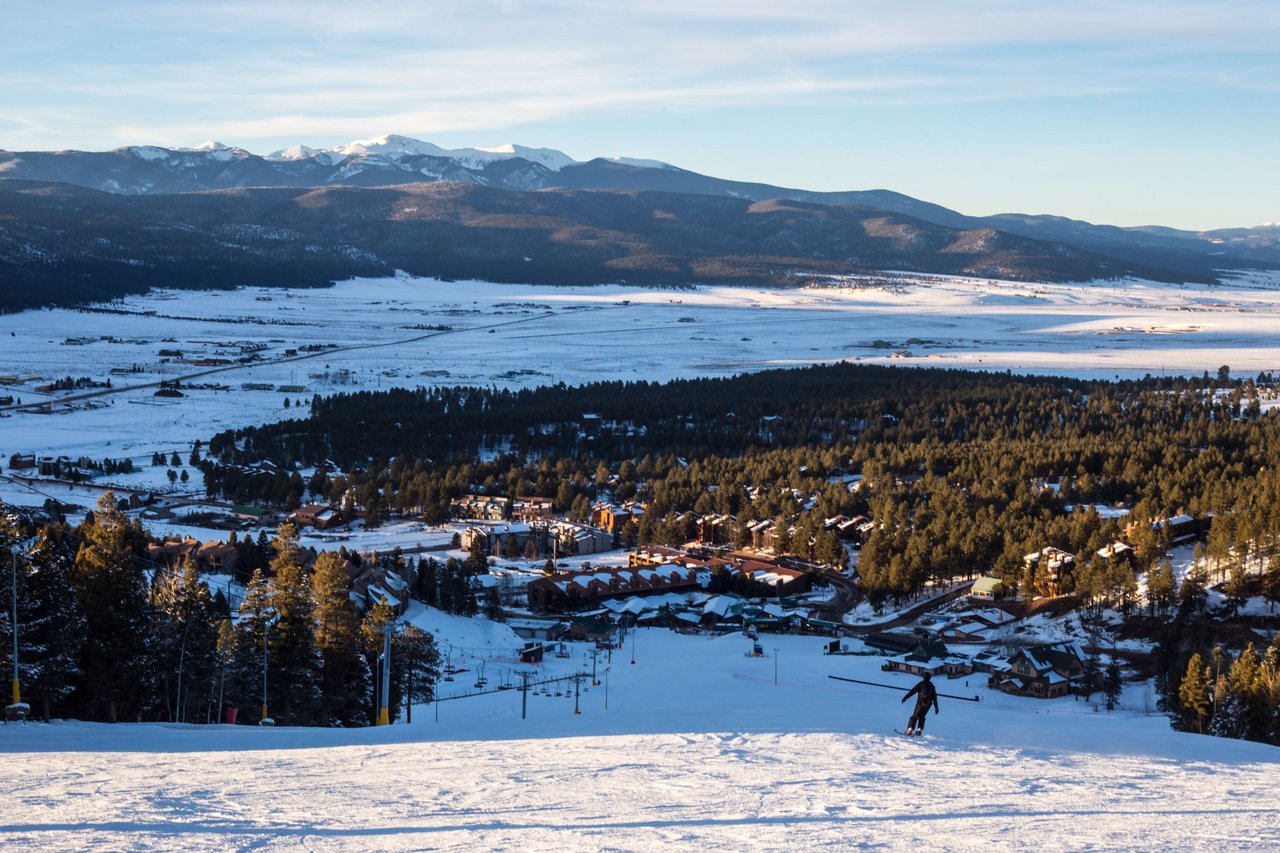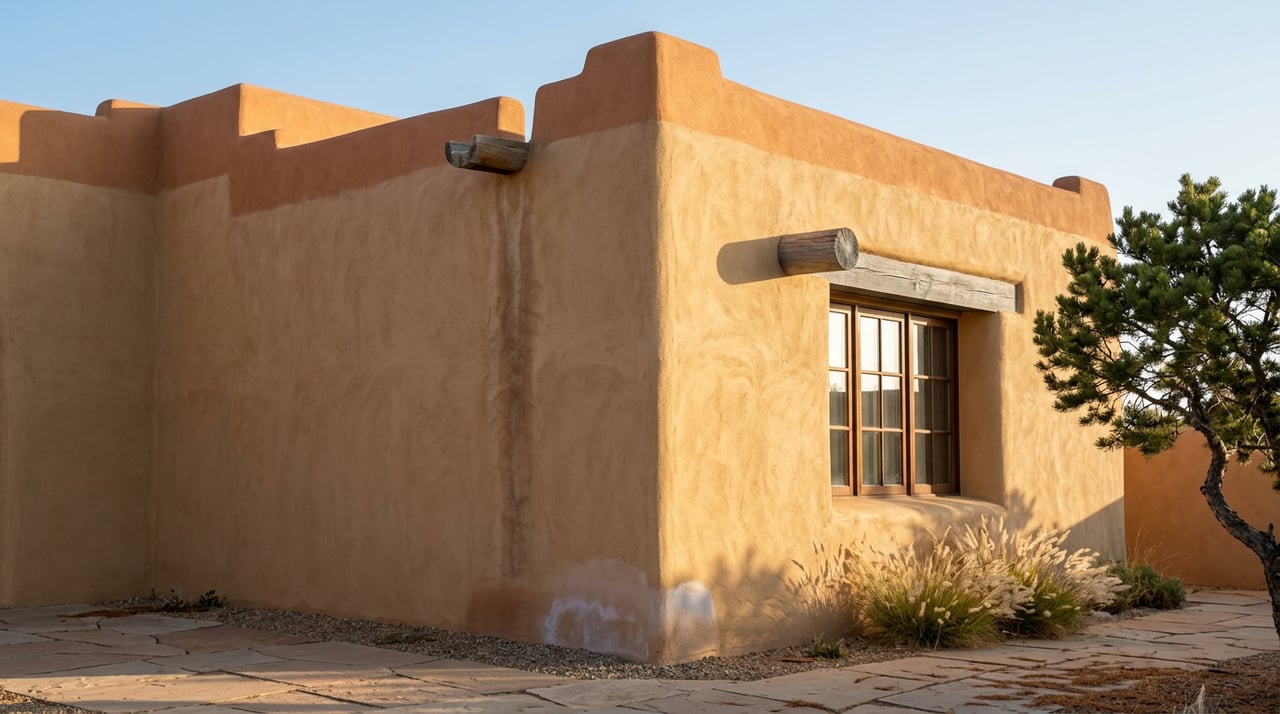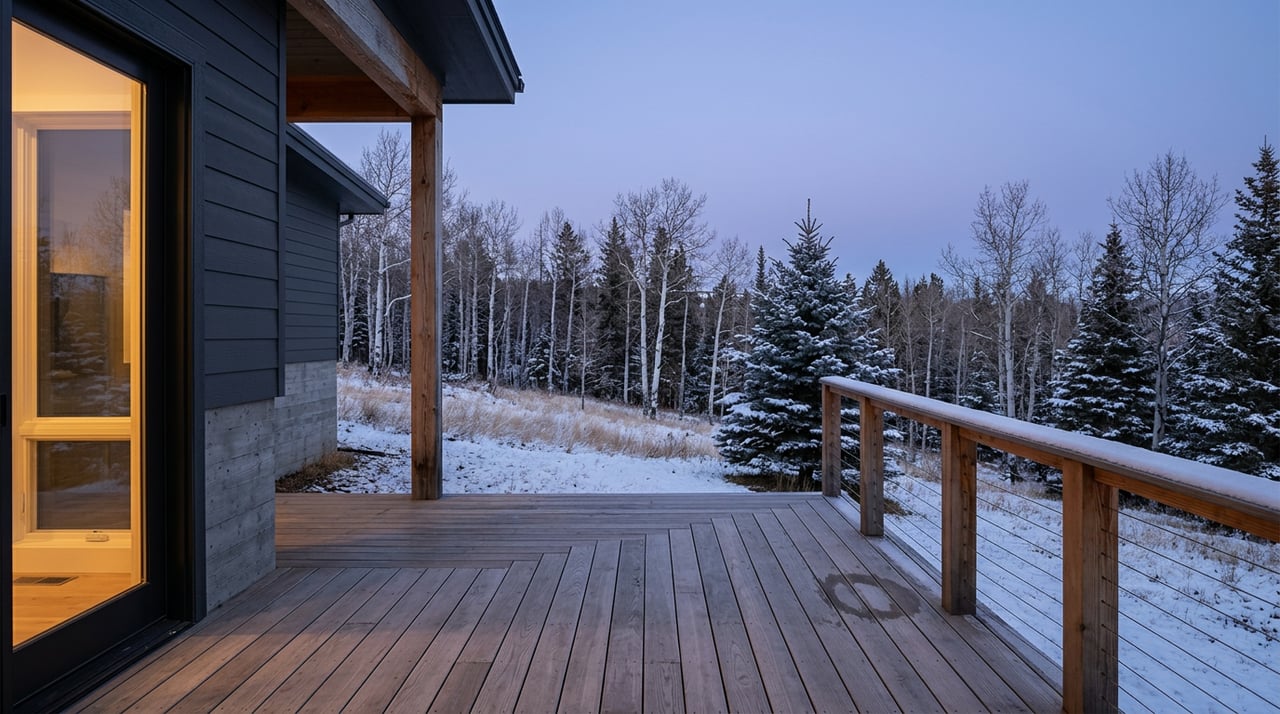
For as long as most Angel Fire regulars can remember, a Friday in February meant the same ritual after dark. Lift 2 would keep spinning past sunset, carrying skiers up to Dreamcatcher, Exhibition and High Road while Wheeler Peak went purple in the distance. It was the only night skiing operation in New Mexico, and for a mountain that built its identity on being approachable rather than flashy, those quiet evening laps under the lights were as much a part of Angel Fire as the green chile at the base lodge.
This winter, that ritual is on pause. Angel Fire Resort confirmed on September 14 that night skiing will not run for the 2026-27 season. The reason has nothing to do with cutting costs or losing interest in the tradition. It has to do with the resort tearing out the very lift that made those evenings possible and replacing it with something so much larger that lighting it properly can't happen overnight.
A Lift That's Been There as Long as the Resort Itself
Lift 2 wasn't just old. It was original. The Riblet-built fixed-grip double had been running since Angel Fire opened as a ski area in 1966, which means it was on the mountain for every single season of the resort's history until crews demolished it this past March. For a place gearing up to call 2026-27 its 60th anniversary season, retiring the lift that opened with the resort is a genuinely significant moment, not a routine equipment swap.
What replaced it is the biggest infrastructure bet Angel Fire has made in years. The new chair is called Angel Express, and it's New Mexico's first high-speed six-person lift, a category the state simply hasn't had before. Construction ran in phases through the spring and summer: crews removed Lift 2 in March, flew in all 15 towers by helicopter with Timberline Helicopters in April, spliced a 49-ton haul rope on site in May, and finished installing and load-testing the six-person chairs in July using water-filled buckets to simulate rider weight before the lift earned its final certification.
Trading Two Runs for Fourteen
Here's the number that explains everything else about this season. Lift 2, in its old configuration, served exactly two runs under the lights. Angel Express opens access to fourteen.
A few more specifics on what that new lift actually does:
- It stretches 5,342 feet and climbs 887 vertical feet from the base area to mid-mountain terrain below Leon's Lane
- It moves up to 1,800 people per hour, more than double what Lift 2 could handle
- The ride takes a little over five minutes, replacing what used to be a slower fixed-grip climb
- It connects directly to newer terrain including Heaven Sent, Kofler's Run and Deer Glade, runs that didn't exist in the old lift's service area at all
That last point is the one worth sitting with. Angel Express isn't simply a faster version of Lift 2. It reaches an entirely different, much larger footprint of the mountain. Lighting two runs is a contained, known project. Lighting fourteen runs that skiers haven't skied in this configuration yet is a different kind of decision, and it's one the resort says it isn't ready to make blind.
What the Resort Says It's Actually Doing
Rather than guessing where to hang new lights across all that new terrain, Angel Fire's mountain operations team plans to spend this season watching how skiers and riders actually move through the runs Angel Express now serves. The idea is to let real traffic patterns, not assumptions, decide where future lighting investment goes. Night skiing is expected to return in a future winter, though the resort hasn't said which one.
Wolfe Ashcraft, Angel Fire's director of marketing, described what night skiing actually feels like on this mountain in an interview earlier this year, before the pause was announced. He said skiing at night adds another layer beyond the usual daytime run, one shaped by the dark, the stars, the temperature and the quiet, and that even after thirty years on the mountain, coming back to ski it at night felt like seeing it all again for the first time. That's the specific experience locals are giving up for a season, and it's worth naming plainly rather than glossing over, even while the terrain expansion itself is good news for anyone who skis here regularly.
The Marquee Weekend Loses Its Lights Too
Night skiing at Angel Fire has historically been bundled into the resort's biggest annual event. Shovel Race Weekend, the competition where racers hit speeds over 60 miles per hour on modified grain shovels, has run alongside night skiing and live music in recent winters. This past February's event drew more than 100 competitors, with local sisters Nadia and Paloma Gonzales taking first and second in the women's finals and Nadia posting the fastest time of the day at just under 17 seconds down the course.
Angel Fire hasn't announced 2026-27 dates for Shovel Race Weekend yet. But if the event lands in its usual late-winter window, it'll be the first edition in years without night skiing built into the schedule. The race itself isn't going anywhere. As Ashcraft put it when the event returned after a five-year hiatus, it's part of the resort's history and something unique that belongs to Angel Fire alone. The lights that used to frame it, though, won't be part of the picture this time.
The 60th Anniversary Bet
Put the pieces together and a pattern emerges that's easy to miss if you only read the pause as a loss. Angel Fire is celebrating 60 years of operation by retiring the lift that opened with it, installing the state's first six-pack in its place, and choosing to sit out one season of a beloved tradition specifically so it can reinvest in that tradition properly once it has real data on how skiers use the new terrain. That's a different story than a resort quietly cutting a program. It's a resort spending its anniversary season on infrastructure first and asking locals to be patient about the rest.
For residents who ski here regularly, the practical shift this winter is straightforward. Daytime hours run 9 a.m. to 4 p.m. starting December 11 and continuing through March 21, with a faster lift, more terrain, and no post-4 p.m. option once the sun goes down. Anyone who built weeknight laps into their routine will need to shift that time earlier in the day or find it elsewhere until the lights come back.
Angel Fire has made bigger bets before and mostly gotten them right, including the backside expansion that opened terrain like Hell's Gate and Turbulence, the resort's first double black diamond runs, alongside the Rake's Rider quad the previous season. This latest move fits that same pattern: build first, watch closely, then light it right.
Whether you're already living the Angel Fire winter or just keeping an eye on how the mountain evolves from a house nearby, moments like this are part of what makes the town worth paying attention to year-round. If you're curious about property in the area while the resort works through its biggest upgrade in years, The Hoffmann Team can help you search current listings around Angel Fire and the wider Enchanted Circle.