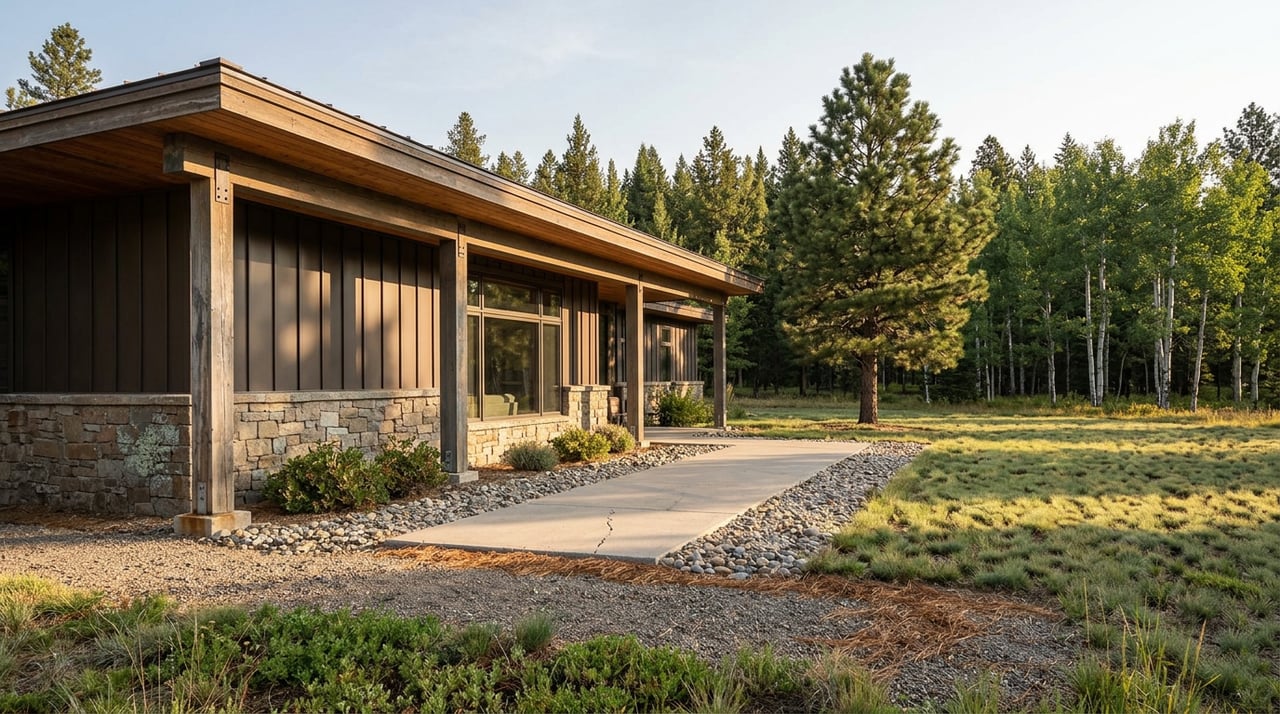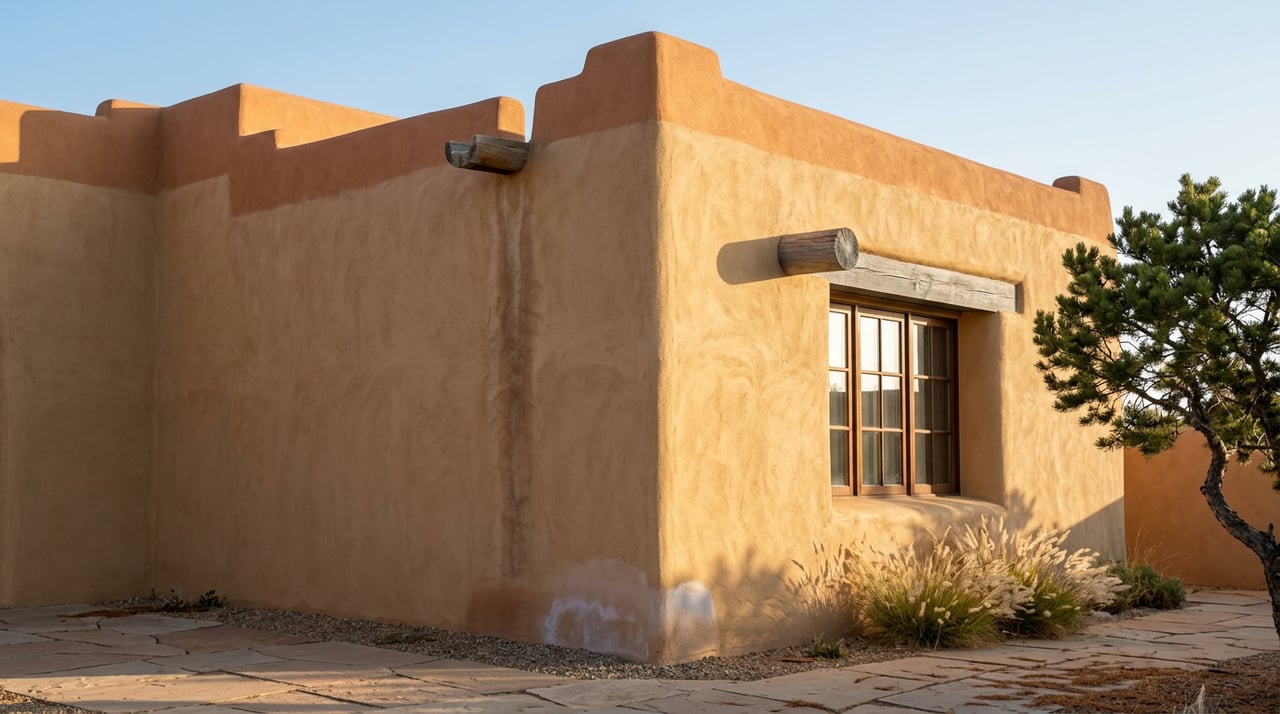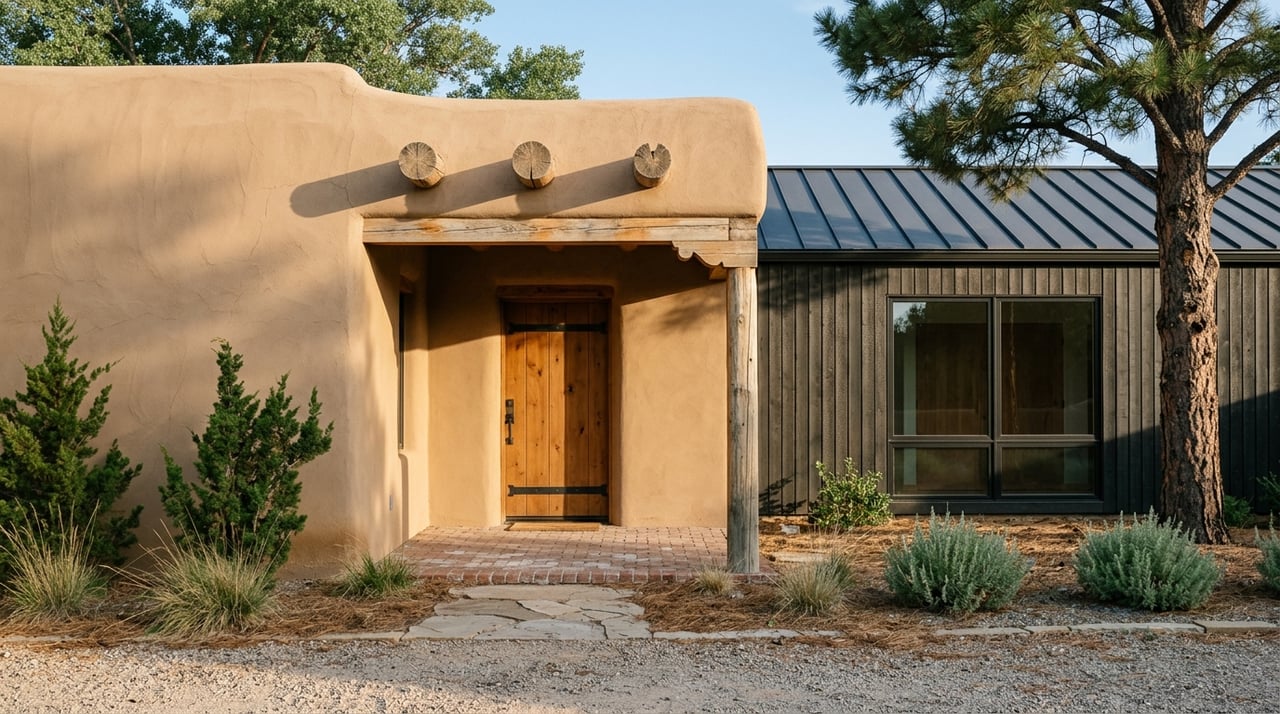
If you are home shopping in Taos, one question comes up fast: do you want the thick-walled character of an adobe home or the streamlined performance of a modern mountain property? It is a meaningful choice because Taos is not just any market. At nearly 7,000 feet in elevation, with cool temperatures, modest precipitation, and real snowfall, the way a home is built can shape your comfort, upkeep, and long-term plans. This guide will help you compare Taos adobe vs modern mountain homes so you can decide which style best fits your lifestyle, budget, and expectations. Let’s dive in.
Why home style matters in Taos
Taos has a high-elevation mountain climate with an annual mean temperature of 48.5°F, about 12.70 inches of precipitation, and 28.4 inches of snow. That means winter heat retention matters, but so does staying comfortable during sunny days and cooler nights. In practical terms, the home’s materials, insulation, and moisture management all matter more than they might in a milder climate.
Taos also has a strong architectural identity. In and around the historic core, local design standards shape what owners can change and how properties are maintained. So when you compare adobe and modern mountain homes, you are not only comparing looks. You are also comparing maintenance routines, energy performance, and possible review requirements tied to the property.
Taos adobe homes at a glance
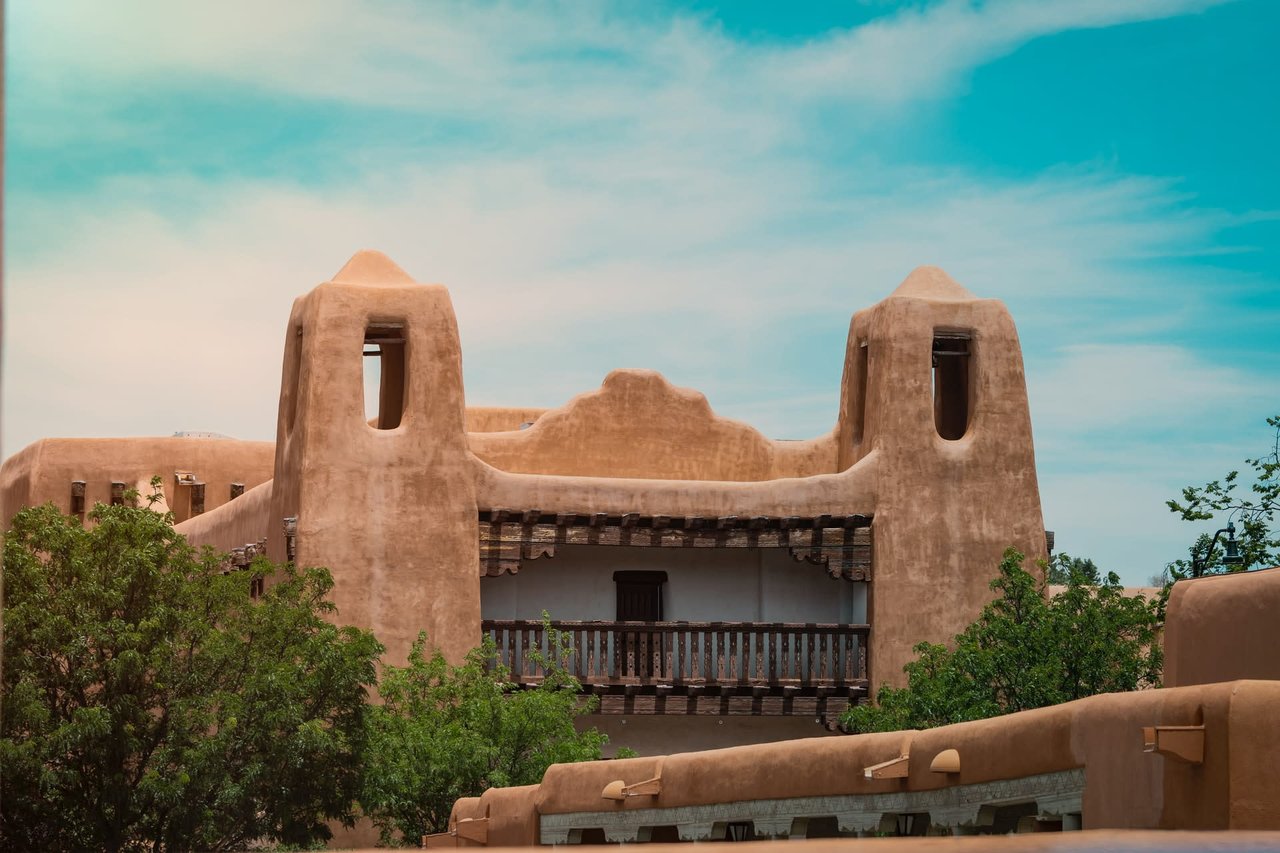
Adobe homes are deeply connected to Taos architecture and streetscape. Local planning materials describe thick adobe walls, one- and two-story forms, and styles such as Pueblo, Spanish/Pueblo Revival, Territorial, and Northern New Mexico. Features like portales, exposed vigas, stuccoed walls, and close-to-the-street siting give many adobe properties a strong sense of place.
For many buyers, that local connection is the biggest draw. Adobe homes often feel handmade, grounded, and visually tied to the landscape. If you want a property that feels unmistakably Taos, adobe is often the style that delivers that experience most clearly.
What adobe homes do well
Adobe’s biggest performance advantage is thermal mass. In a climate with noticeable day-to-night temperature swings, thermal mass can help store heat and reduce interior temperature swings. That can make a home feel steadier and more comfortable when the design, orientation, and overall building system work together.
Adobe also offers a tactile, quiet feel that many buyers love. Thick walls, deep-set openings, and traditional materials can create an atmosphere that feels substantial and timeless. For second-home buyers and relocators who want authenticity, that often carries real value.
What to watch with adobe homes
Adobe rewards careful ownership. Preservation guidance notes that adobe surfaces are fragile and that moisture is the main driver of deterioration. Rainwater, groundwater, roof leaks, plumbing leaks, and condensation can all create bigger problems in adobe than they might in other construction types.
That means your due diligence should focus closely on:
- Roof condition
- Flashing details
- Site drainage
- Foundation behavior
- Plaster or protective coating condition
- Signs of moisture intrusion or leaks
Repair materials matter too. Preservation guidance warns that incompatible materials, including certain cement mortars on unstabilized adobe, can speed up deterioration because the materials move differently. In plain terms, adobe can last well, but it does best when repairs are handled with methods suited to earthen construction.
Modern mountain homes at a glance
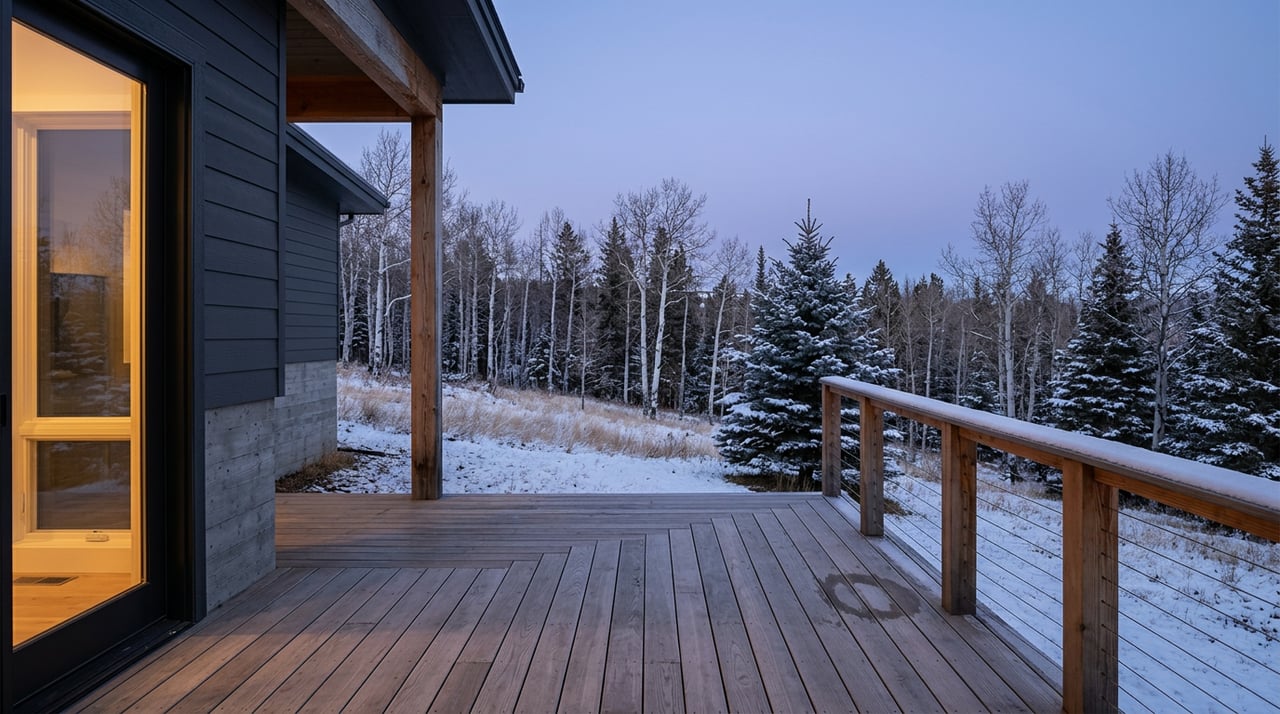
Modern mountain homes represent the more performance-driven side of the Taos market. These homes often emphasize tighter building envelopes, updated insulation strategies, larger window packages, and materials that align more easily with current building practices. For buyers focused on efficiency, simpler upkeep planning, or new construction, that can be appealing.
Architecturally, modern mountain homes usually feel more flexible. Depending on the location, they may offer view-oriented design, steeper rooflines, and layouts that prioritize natural light and indoor-outdoor living. Outside historic overlay areas, these homes are generally shaped more by standard zoning and building-code requirements than by preservation review.
What modern mountain homes do well
Modern homes tend to have the strongest energy advantage when they are built with tight, well-insulated envelopes. Guidance from the U.S. Department of Energy says air leakage can account for 30% or more of heating and cooling costs. That matters in Taos, where the heating season is significant and envelope quality can have a noticeable effect on day-to-day comfort.
Newer homes also often have an easier path to performance upgrades because insulation, air sealing, and ventilation can be coordinated during construction. When the full system is planned well, modern homes can offer:
- More predictable indoor comfort
- Lower air leakage
- Better support for current energy-code expectations
- Strong potential for lower utility costs
ENERGY STAR guidance cited in the research report notes that certified homes deliver at least 10% savings on annual utility bills. That does not guarantee the same outcome for every property, but it shows why many buyers see modern mountain homes as the easier choice for energy performance.
What to watch with modern homes
Modern does not mean maintenance-free. The work simply tends to look more familiar to most homeowners and contractors. Instead of focusing on periodic re-plastering or adobe conservation, maintenance usually centers on conventional building systems.
Key items to review include:
- Roof and flashing condition
- Window and door seals
- Air barrier performance
- Moisture control details
- HVAC age and service history
- Quality of insulation installation
Installation quality matters as much as the listed insulation value. A newer home with poorly executed air sealing or moisture control can still underperform. That is why inspections and contractor review remain important, even in recently built properties.
Historic overlay can change the equation
In Taos, location matters almost as much as home style. The Town of Taos historic overlay includes the La Loma Plaza historic district and the Taos downtown historic district. Within that overlay, changes, demolition, relocation, and new construction can require design review and certificates of appropriateness.
For buyers, that means you should verify whether a property falls inside the overlay before assuming exterior changes will be simple. For sellers, it means buyers may ask more questions about past work, maintenance history, and whether any approvals were needed. Owner responsibilities also include maintaining the property to help prevent decay and deterioration.
This is especially important for adobe homes, though it can affect modern construction as well if the property is within the overlay. A sleek design idea that works elsewhere may still need to fit local standards in the historic core.
Energy comfort in Taos: mass vs insulation
One of the most common misunderstandings in Taos real estate is that adobe automatically means energy efficient and modern automatically means better utility costs. The reality is more nuanced. Adobe’s thermal mass can reduce temperature swings, but thermal mass is not a substitute for insulation, air sealing, shading, and well-planned heating and cooling.
Modern homes usually have an advantage when insulation and air sealing are done well. Adobe homes can feel very comfortable too, especially when they are thoughtfully maintained and improved with the full building system in mind. The best question is not which style wins in theory. It is which specific property has been built, maintained, and updated well.
Which home type fits your goals?
The right fit often comes down to what you value most in daily life. If you are buying a full-time home, second home, or retreat property in Taos, your answer may be different depending on how hands-on you want to be and what kind of experience you want the home to provide.
Adobe may be right for you if
- You want a home that feels closely tied to Taos history and architecture
- You love thick-walled character and traditional design details
- You are comfortable with proactive maintenance
- You understand the importance of moisture management and compatible repairs
- You are open to possible historic-review considerations in some areas
Modern mountain may be right for you if
- You want more standardized maintenance planning
- You prioritize insulation, air sealing, and performance-driven design
- You want easier alignment with current energy-code expectations
- You prefer a more contemporary layout or larger window design
- You want a home that may be simpler to upgrade during construction or renovation
Smart due diligence for either style
No matter which direction you lean, the highest-value due diligence items in Taos are fairly consistent. You want to understand how the home handles water, air, and temperature over time. Those fundamentals matter in both traditional and modern construction.
Focus your review on:
- Roof drainage and roof condition
- Flashing and waterproofing details
- Window and door seals
- HVAC condition and maintenance history
- Site drainage and moisture control
- Any historic-overlay or permitting obligations tied to the parcel
For adobe, add extra attention to plaster condition, foundation behavior, and evidence of past moisture intrusion. For modern homes, look closely at the quality of the building envelope and whether systems appear to have been installed as intended.
A practical Taos decision lens
If your priority is architectural authenticity and a home that feels rooted in Taos, adobe may be the better match. If your priority is simpler maintenance planning and strong performance potential, a modern mountain home may fit better. Neither is automatically the better investment for every buyer. The better choice is the one that aligns with how you want to live, maintain, and enjoy the property.
In a market like Taos, that kind of decision gets easier when you look beyond finishes and ask better questions about construction, upkeep, overlay rules, and day-to-day comfort. A beautiful home is important, but a well-matched home is what helps you feel confident long after closing.
If you are weighing adobe charm against modern mountain performance, local guidance can save you time and help you compare properties with the right lens. For tailored advice on Taos homes, reach out to The Hoffmann Team.
FAQs
What is the main difference between adobe and modern mountain homes in Taos?
- Adobe homes are known for thick-walled traditional character and strong ties to Taos architecture, while modern mountain homes usually emphasize tighter construction, updated insulation, and more performance-focused design.
Are adobe homes in Taos harder to maintain than modern homes?
- Adobe homes often require more specialized attention, especially around moisture control, plaster condition, roof drainage, and compatible repair materials.
Do modern mountain homes in Taos usually have better energy efficiency?
- Modern homes often have an advantage when they are built with strong insulation, air sealing, and coordinated ventilation and HVAC systems, but the performance of any individual home depends on build quality and maintenance.
Do Taos historic overlay rules affect both adobe and modern homes?
- Yes. Properties within the Town of Taos historic overlay may be subject to design review and certificates of appropriateness for certain exterior changes, demolition, relocation, and new construction.
What should buyers inspect first in a Taos adobe home?
- Buyers should pay close attention to roof condition, flashing, drainage, foundation behavior, plaster or protective coating condition, and any signs of moisture intrusion.
What should buyers inspect first in a modern mountain home in Taos?
- Buyers should focus on the roof and flashing, window and door seals, HVAC condition, moisture control details, and the overall quality of the insulation and air sealing systems.