Are you better off steps from Main Street or tucked into the trees in Red River? If you are thinking about buying here, that question matters more than it might in a larger town. Red River is compact, seasonal, and shaped by mountain living, so your day-to-day experience can change a lot depending on where you buy. This guide will help you compare in-town and wooded living in Red River so you can choose the setting that fits your lifestyle. Let’s dive in.
Red River Is a Small Resort Town
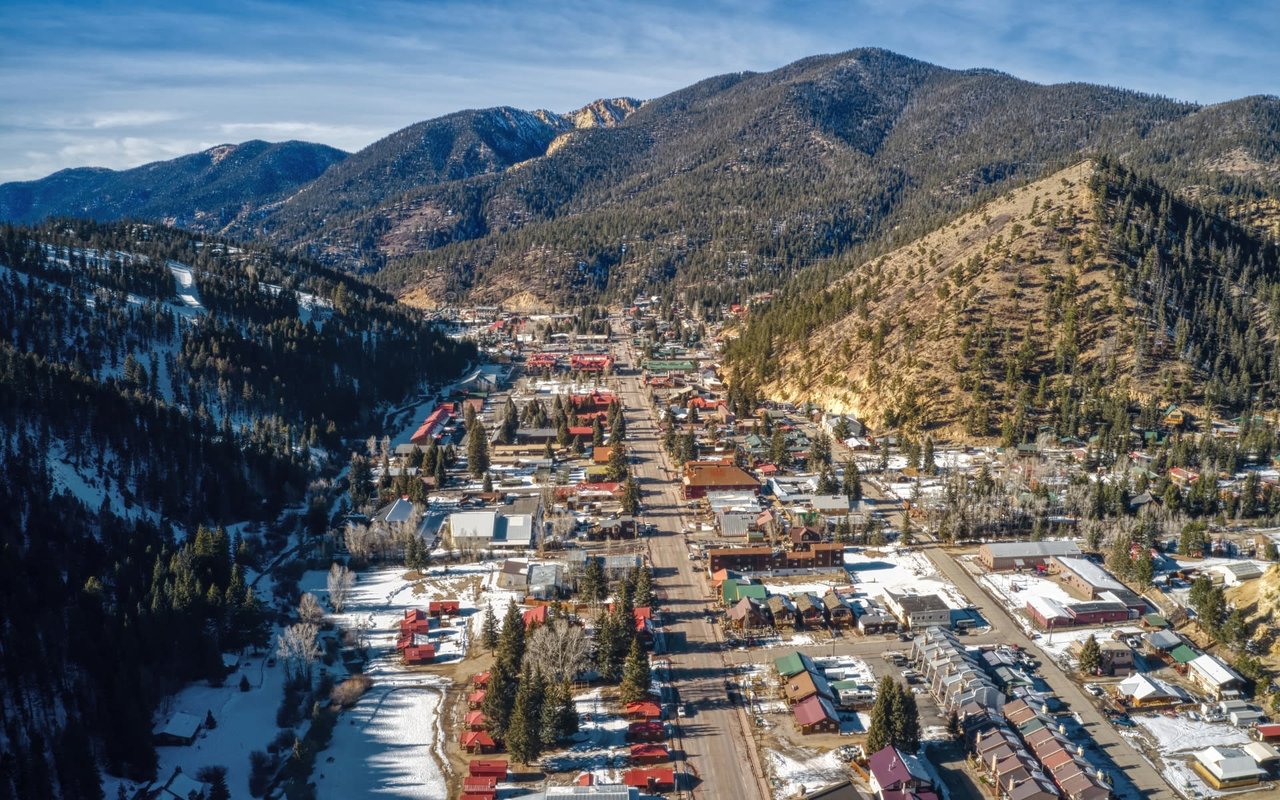
Red River is not a spread-out suburban market. Official town information describes it as roughly four square miles, with Main Street running a little more than a mile and Carson National Forest surrounding town.
That small footprint changes how you should think about location. In many markets, “close to town” and “outside town” can mean a long drive either way. In Red River, the shift from walkable resort core to quieter forest-edge living can happen pretty quickly.
It also helps to remember the bigger housing picture. In 2022, 50.7% of housing units were vacant for seasonal or recreational use, which shows how strongly Red River functions as a vacation and second-home market.
What In-Town Living Feels Like
If you want convenience first, in-town Red River has a lot to offer. The town describes itself as an ideal walking town, with sidewalks, shops, restaurants, and mountain views concentrated along Main Street.
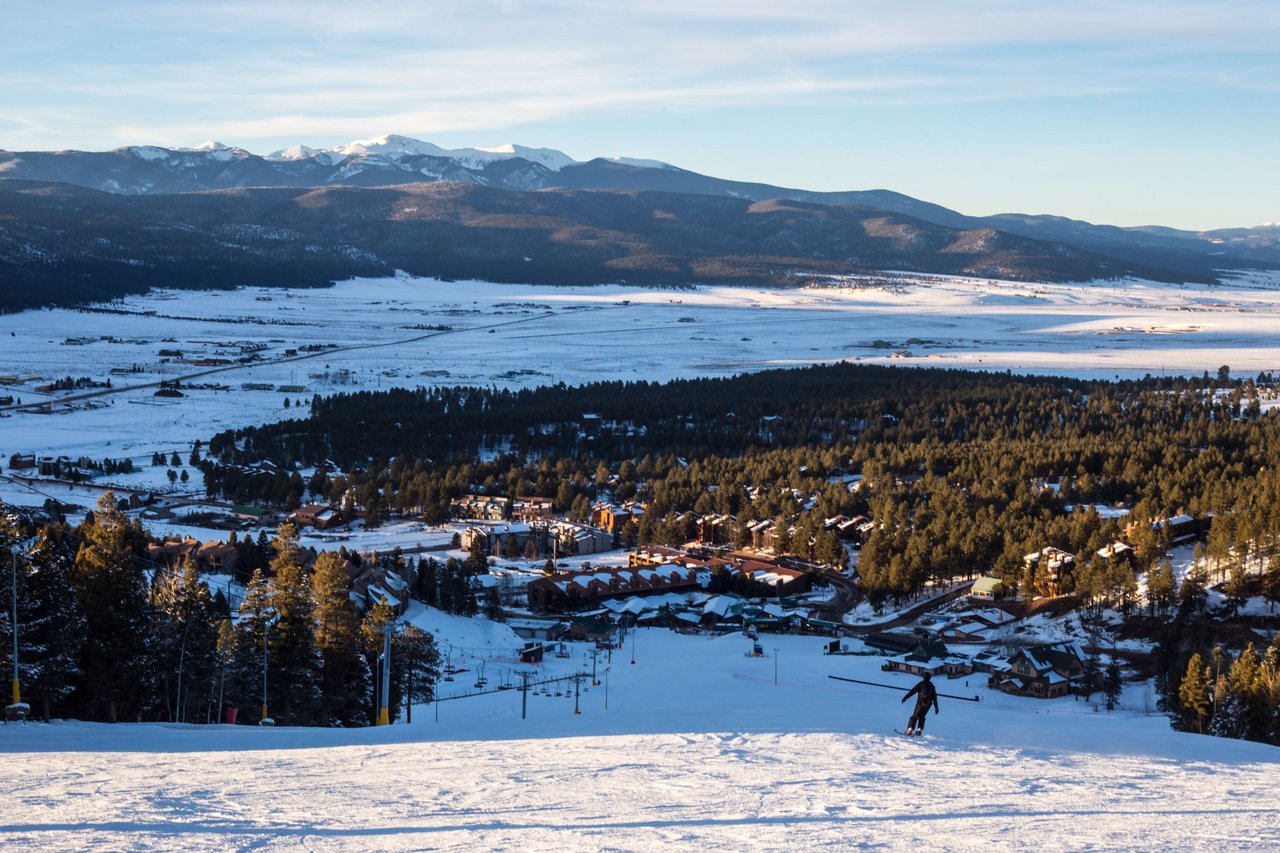
This part of town is closely tied to the ski area. Local tourism sources note that the chairlifts are a short walk from Main Street, which makes it easier to enjoy ski days without relying on a long drive or extra planning.
The free Miners Transit shuttle also supports in-town living year-round, seven days a week. Public parking on Main Street, at the Conference Center, and in the municipal lot adds another layer of convenience when town is busy.
Common In-Town Property Types
In-town homes usually reflect the resort-core setting. You are more likely to find condos, cabins, lodge-style units, and smaller hospitality-oriented properties than large-acreage homes.
Official lodging and tourism pages regularly describe this inventory as riverside condos, rustic cabins, log cabin vacation rentals, and condo units near Main Street and the lifts. That gives you a good picture of the kind of housing that tends to define the in-town experience.
Why Buyers Choose In-Town
Many buyers are drawn to in-town Red River because it keeps the fun close. You can be near dining, shopping, events, mountain views, and the ski base without needing to plan every outing around road conditions or parking.
That setup can work especially well if you want a lock-and-leave second home or a place that feels connected to the energy of a resort town. It can also appeal to buyers who expect to spend a lot of time walking rather than driving once they arrive.
What Wooded Living Feels Like
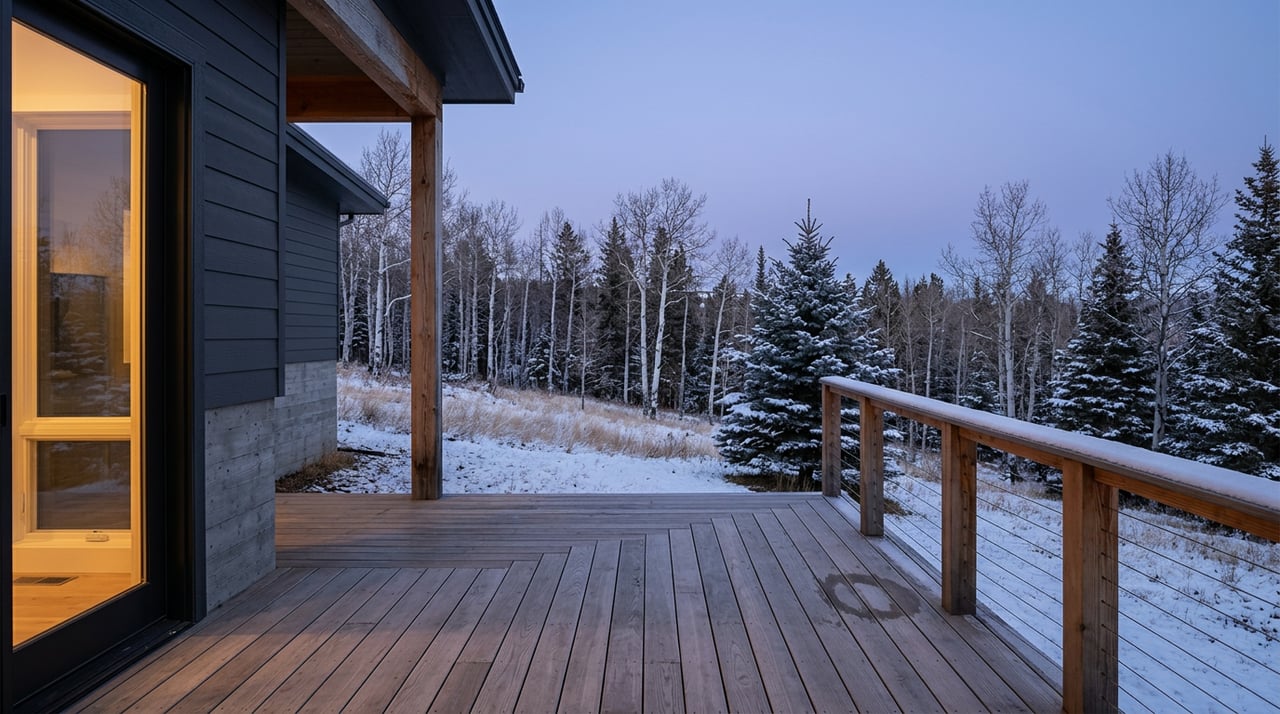
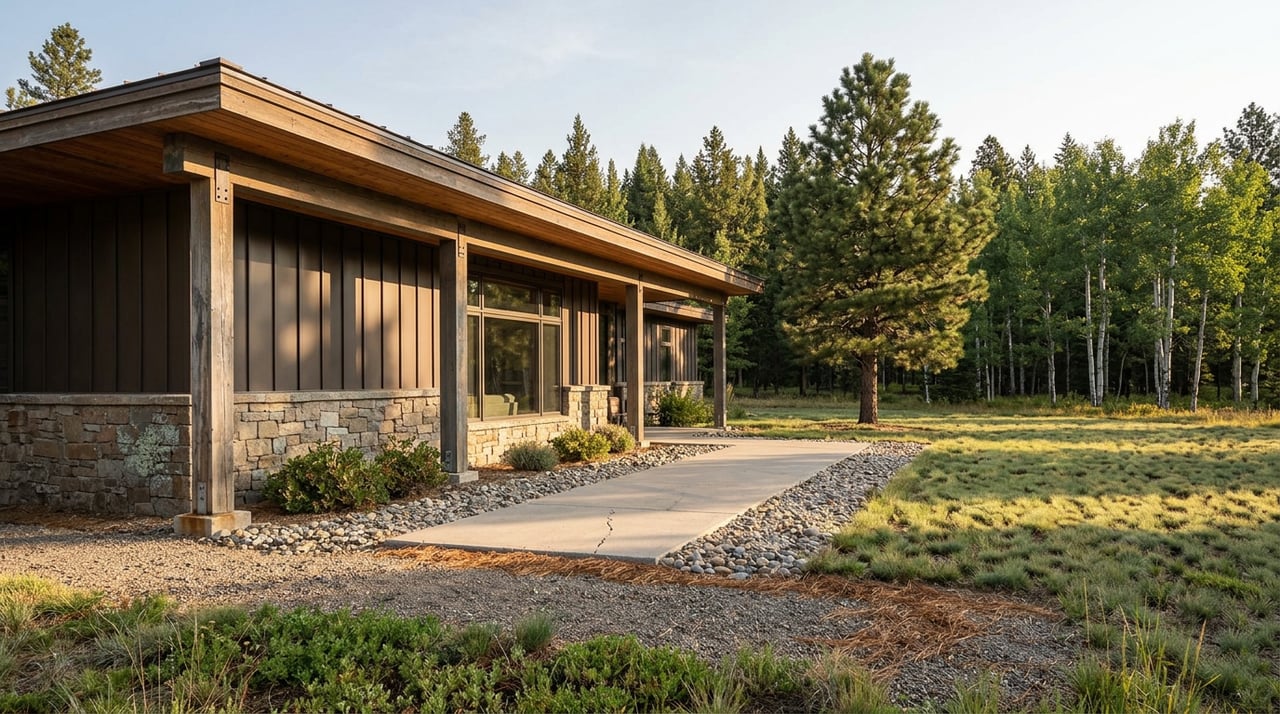
Wooded or hillside living in Red River offers a different rhythm. Instead of being near the busiest stretch of town, you are more likely to have a setting that feels private, scenic, and more retreat-like.
This side of Red River begins quickly outside the core. State and local tourism sources describe the town as surrounded by Carson National Forest, with trails and outdoor recreation accessible in multiple directions.
Official descriptions of homes in these areas use terms like creekside cabin, A-frame, cabin bordering the Carson National Forest, and private residences in the Upper Valley. That language points to a setting where trees, views, and separation are part of the appeal.
Why Buyers Choose Wooded Areas
If you picture Red River as a true mountain escape, wooded living may feel more in line with that goal. You may prefer the quieter setting, stronger sense of privacy, and cabin-in-the-woods atmosphere that comes with being farther from the center of activity.
For some buyers, that tradeoff is worth it even if errands and ski access take a little more planning. The payoff is often a more tucked-away experience that feels distinctly different from the Main Street core.
Walkability Versus Privacy
The biggest choice between in-town and wooded living often comes down to walkability versus privacy. Neither is automatically better. The right fit depends on how you want to spend your time in Red River.
If you want to walk to restaurants, shops, and the ski area, in-town living usually has the edge. If you would rather wake up to a quieter setting and feel more removed from the center of town, a wooded or hillside property may fit better.
Because Red River is so compact, this is less about distance in miles and more about lifestyle. A short change in location can create a very different ownership experience.
Snow and Road Access Matter
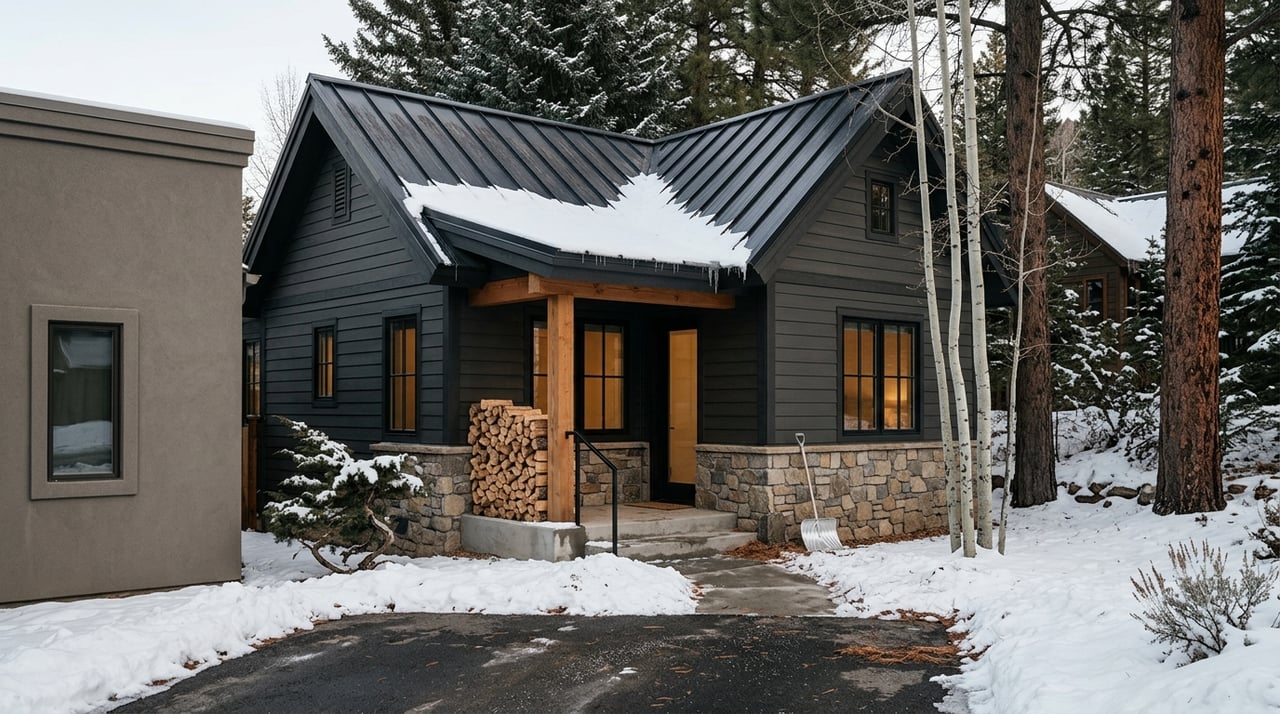
In Red River, location is not just about views or convenience. Snow, roads, and winter access can shape how practical a property feels, especially during heavy snow periods.
The town’s comprehensive plan notes that Red River has both paved roads and unpaved local streets. It also states that freeze-thaw cycles and heavy snowfall keep the road system in continuous repair, with annual snowfall described on official town pages in the range of roughly 188 inches to more than 200 inches depending on the source and time period.
That matters more in wooded or hillside settings, where road conditions, slope, and driveway access can become a bigger part of ownership. In-town properties may still deal with snow, of course, but they often benefit from being closer to the core transportation network and services.
Site Planning Is Part of the Decision
Red River’s building permit process reflects how important mountain conditions are. Town requirements call for drainage and snow-removal plans, along with parking and access details and exterior material information.
Even if you are buying an existing home rather than building, those rules are a useful reminder. In Red River, the land itself matters. Slope, drainage, parking layout, and winter access are all practical parts of evaluating a property.
Transit Helps, But Location Still Counts
The free Miners Transit shuttle is a real benefit in Red River. It serves town at no charge and reaches areas such as June Bug, Fawn Lakes, Elephant Rock Campgrounds, the Upper Red River Valley, and Bobcat Pass.
Still, the shuttle does not make every location feel the same. Some farther-out stops require advance call-in service, so wooded living can still involve more coordination than an address near Main Street.
That is why it helps to think beyond map distance. Ask yourself whether you want easy, spontaneous access to town or whether you are comfortable with a little more planning in exchange for a more secluded setting.
Design and Character in Town
If you are drawn to the look of central Red River, there is a reason for that. The town regulates Main Street frontage in the tourism overlay zone to preserve its mountain-community character.
According to the zoning ordinance, the area is intended to stay consistent with established local styles such as log cabins, wood-sided buildings with pitched or gabled roofs, and Swiss chalet forms with steeply pitched roofs. For buyers, that helps explain why in-town Red River has such a distinct and cohesive feel.
Which Red River Setting Fits You?
If your priority is convenience, ski access, and a lively resort-core atmosphere, in-town Red River may be the stronger match. It puts you close to the heart of town and supports a simpler, more walkable routine.
If your priority is privacy, scenery, and a stronger mountain-retreat feel, a wooded or hillside property may suit you better. You may trade some spontaneity for a more tucked-away setting, but that can be exactly what makes the property feel special.
The key is to match the property to the way you actually plan to use it. In a market like Red River, where seasonal ownership plays a big role, that clarity can make your search more focused and more successful.
Whether you want a condo near the lifts, a cabin close to town, or a more private mountain property in the trees, working with a team that understands Red River’s seasonal patterns, access considerations, and property types can make the process much easier. If you are comparing options in Red River, connect with The Hoffmann Team for local guidance tailored to your goals.
FAQs
What is the difference between in-town and wooded living in Red River?
- In-town living usually means closer access to Main Street, shops, restaurants, the ski area, parking, and shuttle service, while wooded living usually offers more privacy, more trees, and a quieter setting near the forest edge or Upper Valley.
Is Red River a walkable town for homebuyers?
- Yes. Official town information describes Red River as an ideal walking town, with sidewalks and amenities concentrated along a little more than one mile of Main Street.
What types of homes are common in in-town Red River?
- In-town Red River commonly features condos, cabins, lodge units, and other resort-oriented properties near Main Street and the ski area.
What should buyers know about wooded properties in Red River?
- Buyers should pay close attention to privacy, access, road conditions, slope, drainage, parking, and snow removal, since those factors can have a bigger impact in wooded or hillside settings.
Does Red River have public transit for property owners and visitors?
- Yes. Miners Transit provides free year-round service in town and also reaches some outlying areas, though some farther locations require advance call-in service.
Is Red River mostly a full-time residential market?
- No. Official housing data shows that a large share of homes are used seasonally or recreationally, which reflects Red River’s strong resort and second-home character.