If you want buyers to fall in love with your Taos home the moment they scroll past it, presentation is everything. In a market where days on market can stretch into months, you need to stand out fast without overdoing it. The good news is that Taos architecture and views already give you an edge. With the right staging plan, you can showcase those strengths, reach more qualified buyers, and protect your price.
In this guide, you will learn Taos-specific staging moves that work, from highlighting adobe details and view corridors to smart photography and cost‑conscious upgrades. You will also see how staging affects time on market and ROI, plus a room‑by‑room plan you can start today. Let’s dive in.
Why staging works in Taos
Taos is a destination market with distinctive architecture and strong lifestyle appeal. That uniqueness helps you, but it also means buyers compare details closely and often shop from out of state. Recent snapshots show Taos County’s median listing price around $645,000 with a median days on market near 134 days. Local association data for December 2024 reported a median sold price of $557,000 and an average days on market of about 136, which reflects the slower, seasonal rhythm here. You want your home to rise to the top of that longer buyer runway. (New Mexico Association of REALTORS®)
National data backs up the effort. The National Association of REALTORS® found that about 29% of agents saw staged homes secure offers 1% to 10% higher, and roughly half of sellers’ agents said staging reduced time on market. Staging also helps buyers visualize living in the home and increases interest from online viewers. (NAR 2025 Profile of Home Staging)
The takeaway for Taos: when you make the adobe character and the views the “star,” you attract more showings and give buyers the confidence to move quickly.
Highlight Taos architecture
Preserve and showcase adobe details
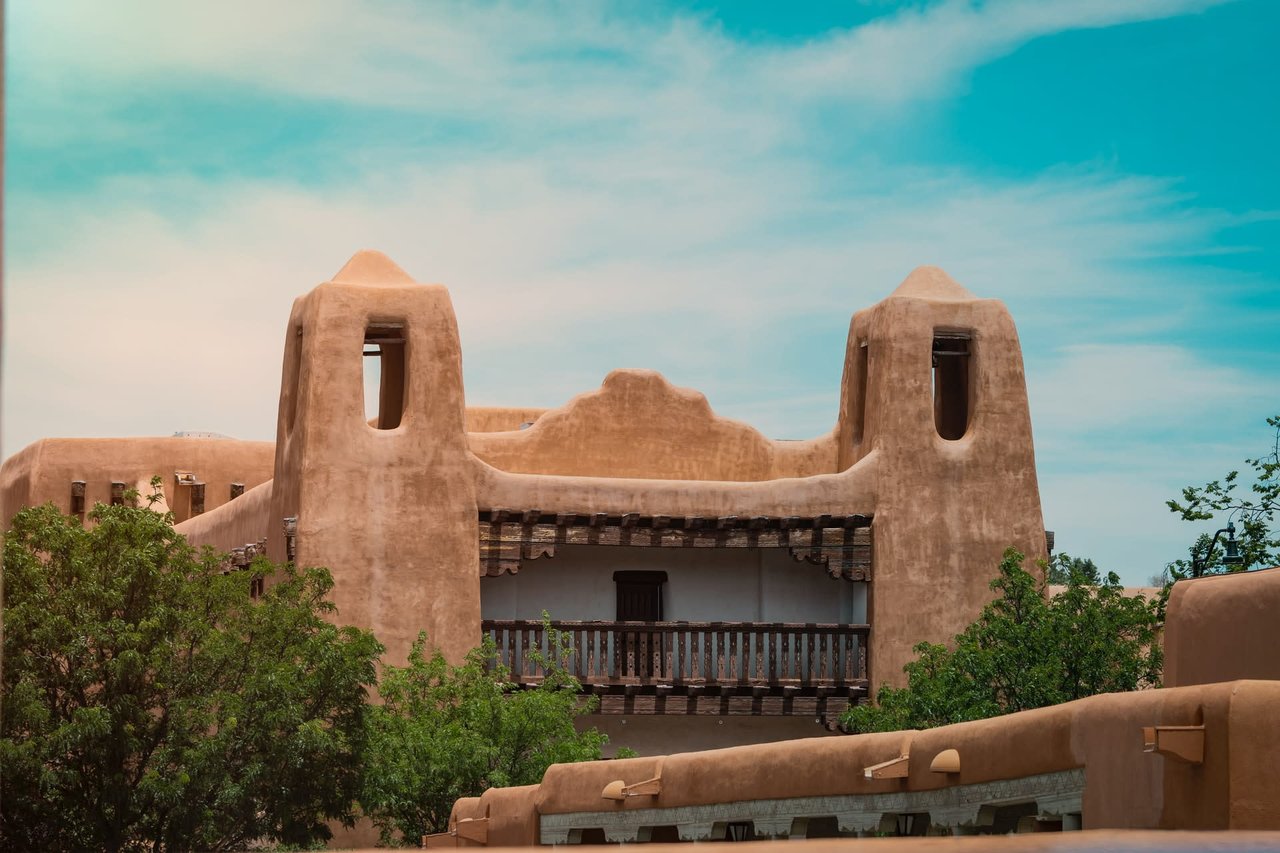
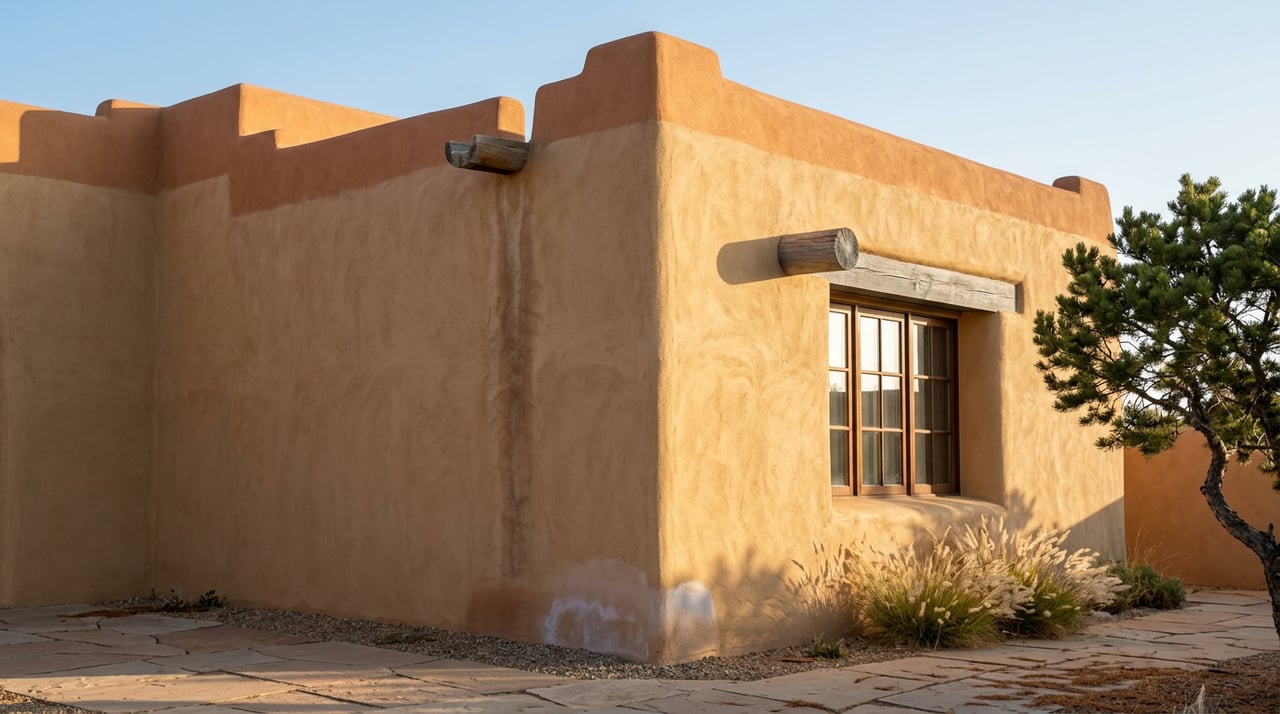
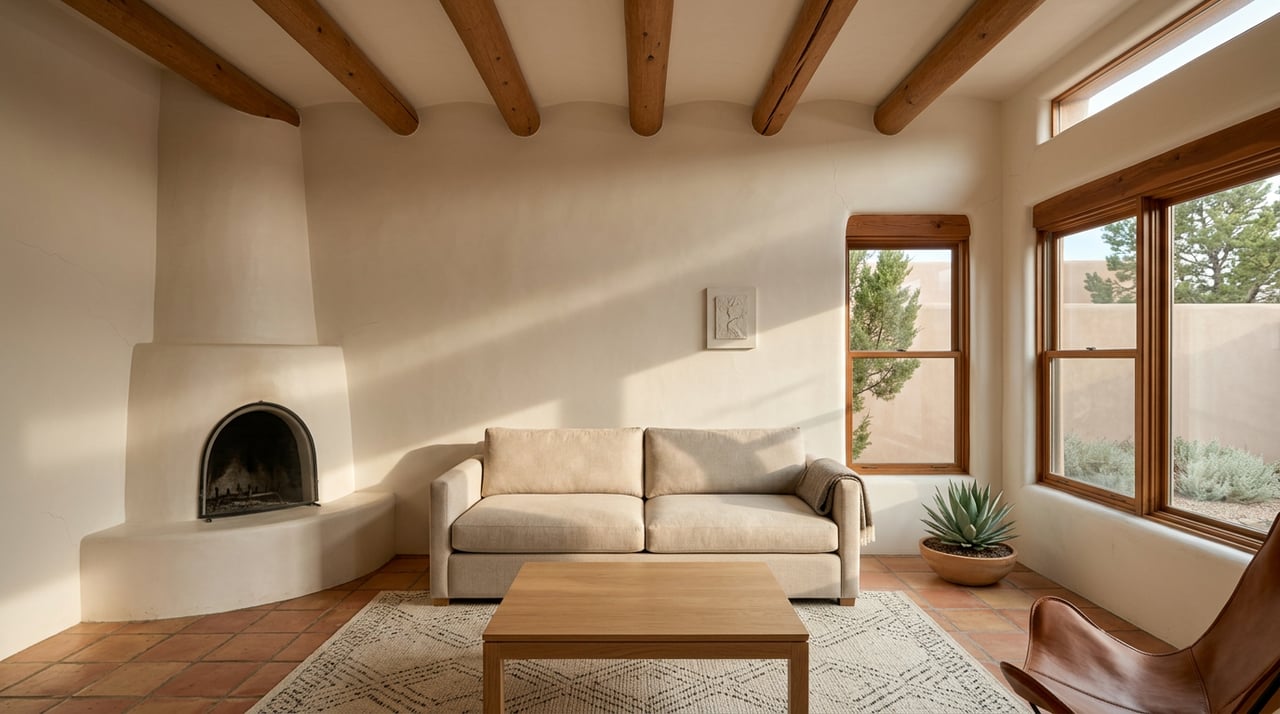
Many Taos homes feature Pueblo and adobe influences like rounded plaster walls, flat roofs, exposed wooden vigas and latillas, nichos, bancos, and kiva fireplaces. These are a defining part of the region’s architectural heritage. Clean surfaces carefully, make discreet repairs with matching finishes, and keep vigas visible. Treat the kiva fireplace as a focal point in photos and in person. Avoid covering original detail with modern built‑ins that steal character. If your property has any historic designation, consult preservation guidance before changing original elements. (UNESCO Taos Pueblo context)
Use a warm, neutral palette
Let the natural textures and light do the work. A base of warm off‑whites, greiges, and soft earth tones photographs beautifully against adobe plaster and wood ceilings. Add one or two restrained Southwestern textiles or a handmade pottery piece to nod to place without veering into a theme. Keep patterns controlled so eyes go to the architecture and window lines. If you plan any paint or small refreshes, keep them simple and neutral. For cost and planning context, review typical staging budgets before you start. (HomeGuide cost overview)
Let views and lifestyle lead
Frame mountain and gorge views
Views of the Sangre de Cristo mountains, the Rio Grande Gorge, or mesa rims often sell the home. Pull heavy curtains and raise shades for photos and showings. Edit furniture so sightlines to key windows are clear, and angle seating to frame the view. Consider a twilight photo set if evening light or exterior lighting elevates the façade and landscape. These are the shots that stop scrolling buyers. For inspiration on what buyers come to see, note the vistas highlighted from the Taos Gorge Bridge. (Rio Grande Gorge views)
Stage outdoor living with the climate in mind
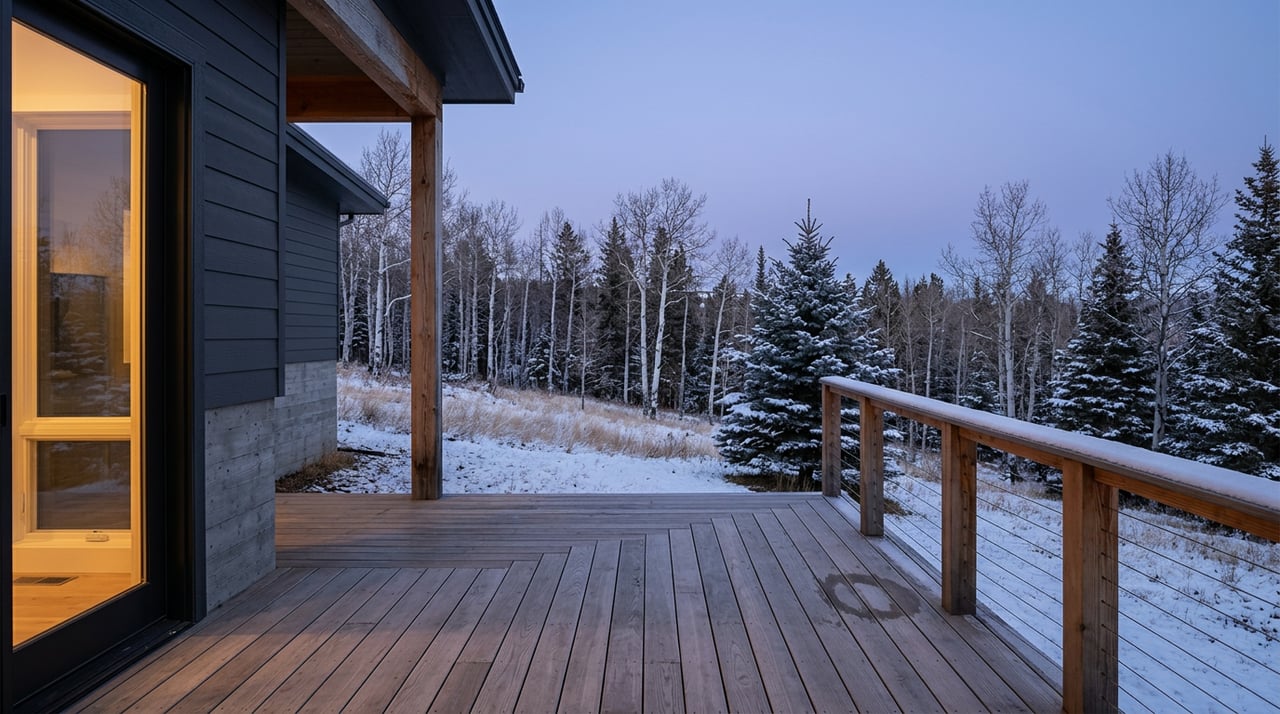
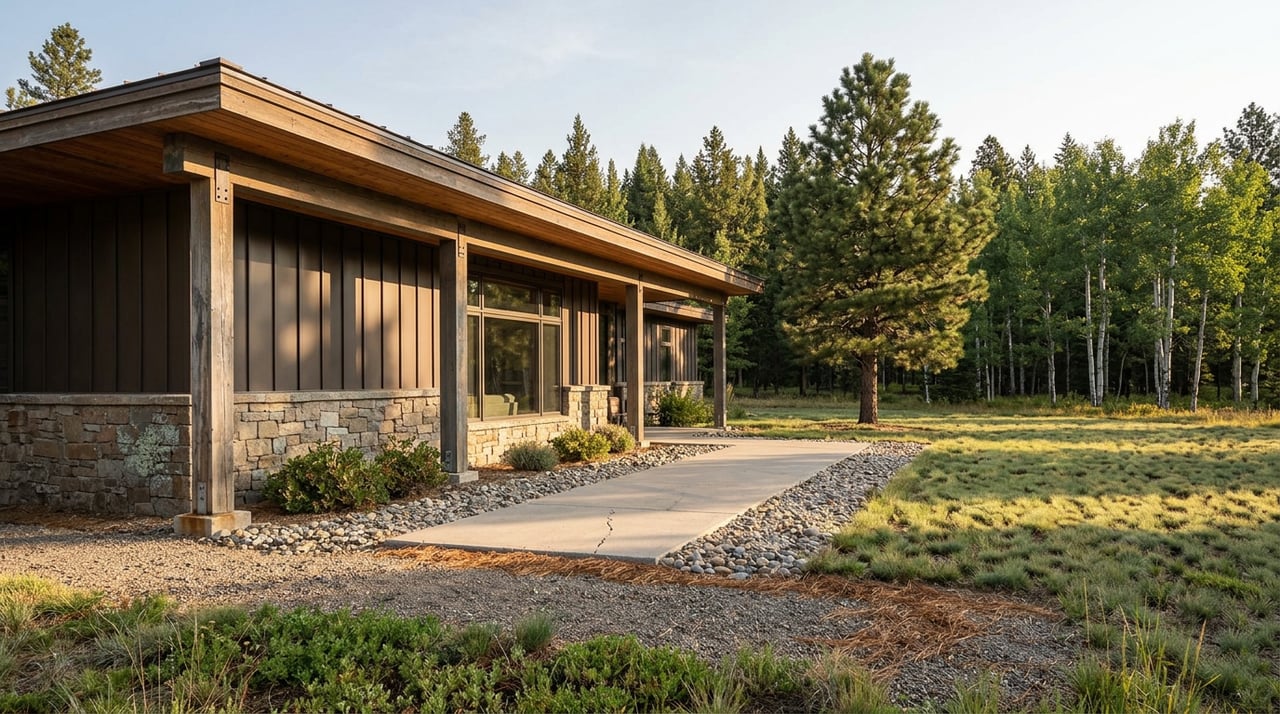
Create a simple, welcoming patio scene with a small seating group and a few potted, drought‑tolerant plants. In an arid environment, tidy gravel or stone beds and native plantings look appropriate and are lower maintenance. If you have a portal or courtyard, treat it like another living room. Keep it clean, lightly furnished, and view‑oriented.
Art and collections in an art town
Taos has deep art roots, and many homes include notable collections. For listing photos, less is more. Limit walls to one or two neutral pieces and remove highly personal or polarizing works. If you plan to include or exclude art in the sale, note it clearly in your listing disclosures and ask your agent about appraisals when needed. A small selection of local pieces can reinforce provenance without clutter. To understand how art weaves through local culture, you can explore the context from the Taos Art Museum. (Taos Art Museum)
Stage for seasonality and second‑home use
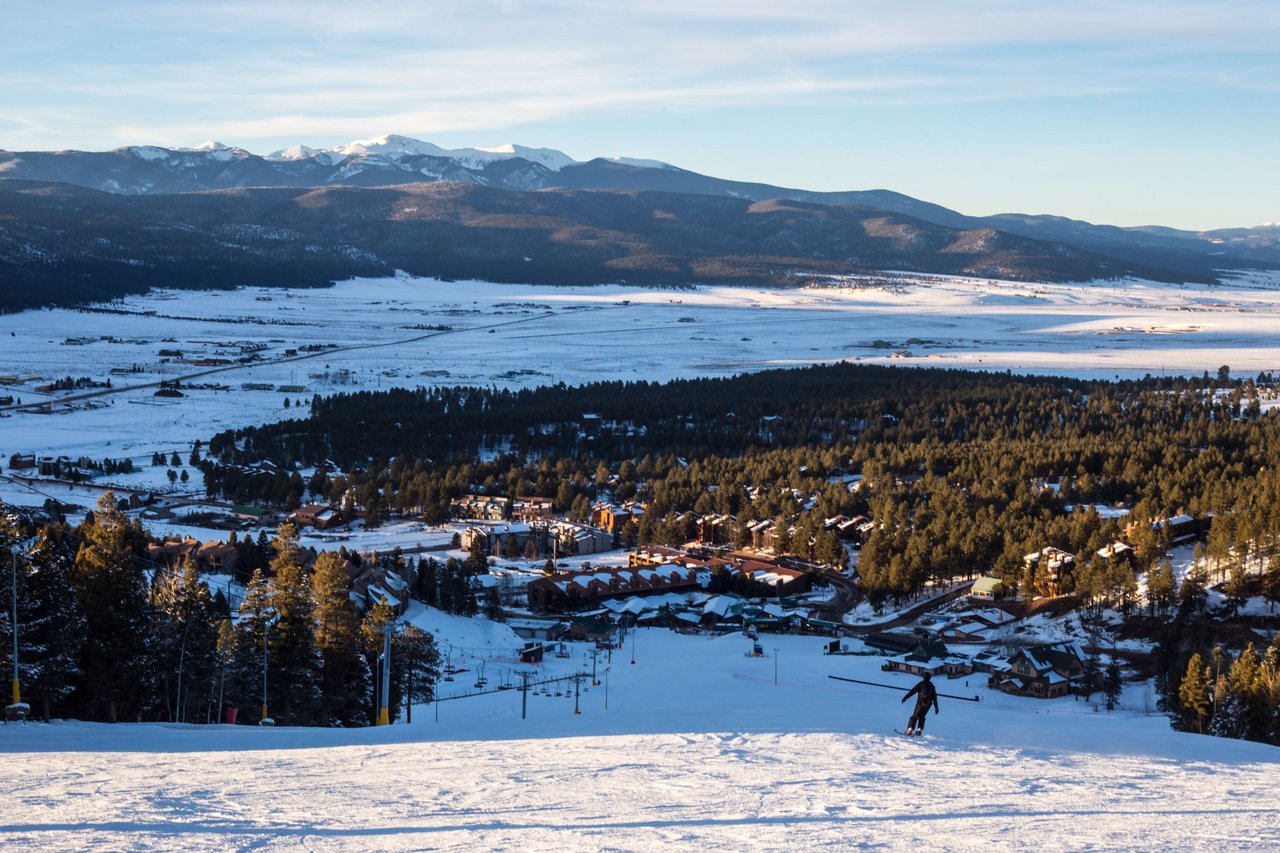
Taos welcomes winter and summer visitors, and many buyers own second homes. Show that your home works year‑round. Add a neat gear zone at the entry or in a mudroom with hooks, a bench, and a boot tray. Highlight storage for skis, bikes, and seasonal gear, and if proximity to Taos Ski Valley is a selling point, mention the access in your listing copy and captions. Include a few lifestyle cues in photos, such as a cozy seating area near the kiva in winter or a shaded patio set for summer. (Taos Ski Valley)
Room‑by‑room priorities
When budget or time is limited, focus on the rooms buyers notice most. The NAR report shows the living room, primary bedroom, and kitchen have the biggest impact. Start there and expand as needed. (NAR 2025 Profile of Home Staging)
Living room or great room
- Center the layout on the kiva or view. Use a neutral rug to ground the space and a simple coffee table for scale.
- Keep seating conversational, with walkable pathways. Remove bulky or excess pieces.
- Let vigas breathe. Do not hang oversized art that crowds beams or nichos.
- Add one subtle accent like a woven textile or handcrafted vase.
Primary bedroom
- Make the bed the star with crisp, neutral linens and simple pillows.
- Clear surfaces and personal items. Aim for a calm, hotel‑like feel.
- Show storage by organizing closets and leaving some open space.
- If the room has a view or patio door, angle the bed or a chair to face it.
Kitchen and dining
- Clear counters and store small appliances. Add a small “chef” vignette like a cutting board, olive oil, and a bowl of citrus.
- Refresh with new cabinet hardware if needed and ensure lighting is bright and even.
- Set a simple dining table with neutral place settings to hint at scale without fuss.
Baths and entry
- Bathrooms should be bright and spotless. Use white or soft neutral towels, fresh caulk and grout, and minimal accessories.
- At the entry or mudroom, highlight function for outdoor life: hooks, a bench, and dedicated gear space.
Photography and online marketing
Strong staging deserves strong visuals. Most buyers shortlist homes online before they ever schedule a showing. Plan your media in this order: staging, then photography, then listing launch.
- Hire a professional real estate photographer and schedule the shoot after staging is complete. Include detail shots that honor adobe textures and the kiva.
- Capture 1 to 2 twilight exteriors if lighting and views will shine at dusk. For parcels with acreage, ridge settings, or special context like gorge or mesa proximity, add 1 to 2 drone images. (Rio Grande Gorge views)
- Include floorplans and a 3D tour if possible. Online tours help buyers and their agents decide which homes to see and increase confidence in the layout. The NAR report notes that staged images can boost showing interest. (NAR 2025 Profile of Home Staging)
- Write photo captions that point out what matters: vigas, kiva fireplace, nichos, banco seating, portal patios, and sightlines to the mountains or gorge.
Costs, ROI, and timing
What staging costs
- Occupied staging, where a stager enhances your existing furnishings, often ranges from about $800 to $3,000.
- Vacant home staging with furniture rental usually starts around $3,000 to $6,000 or more for the first 30 days, with monthly rental extensions after that. Actual pricing depends on scope and property size. (HomeGuide cost overview)
Why it can pay for itself
According to NAR, about 29% of agents reported staged listings received offers 1% to 10% higher, and roughly half of sellers’ agents said staging reduced time on market. If your list price is near $645,000, a 1% improvement is $6,450, which can cover a meaningful portion of a professional staging package. Always run the math with your expected price and local quotes. (NAR 2025 Profile of Home Staging)
How to plan your timeline
- Week 1: Consultation and scope. Get a stager’s plan and any small repair or paint recommendations.
- Days 7 to 14: Prep and installation. Complete repairs, deep clean, and install furniture and decor.
- Immediately after install: Professional photography, then list go‑live. Staging contracts often run in 30‑day blocks, so coordinate timelines with your agent. (HomeGuide cost overview)
Virtual staging as a tool
Virtual staging can provide quick, cost‑effective marketing images for vacant rooms. It should be clearly disclosed where required and does not replace an in‑person experience. It works best as a bridge while you decide on physical staging or to help online shoppers visualize layout options. Compare pricing packages with quotes from local stagers for the right mix. (HomeGuide cost overview)
Quick‑start checklist for Taos sellers
- Book a staging consult before photos and ask for Taos‑area examples.
- Prioritize the living room, primary bedroom, and kitchen first.
- Declutter, depersonalize, and deep clean. Store collections and family photos offsite.
- Keep and showcase adobe features: vigas, latillas, nichos, bancos, and kiva fireplaces. (UNESCO Taos Pueblo context)
- Open view corridors: remove heavy curtains, simplify furniture, and plan a twilight set if it adds impact. (Rio Grande Gorge views)
- Stage patios and portals with simple seating and drought‑tolerant plants.
- Schedule professional photos after staging. Add floorplans and a 3D tour.
Work with a local expert
You live with the Taos rhythm every day. The right partner helps you translate that into a top‑tier listing launch that resonates with in‑market and out‑of‑state buyers. As a Coldwell Banker‑affiliated team with deep Taos roots and in‑house marketing, we combine boutique guidance with national reach. That means polished staging advice, large‑format photography and video walk‑throughs, strong distribution, and the remote‑buyer workflows today’s resort market expects.
If you are planning to sell, we would love to help you prepare a results‑driven plan. Connect with The Hoffmann Team to start your staging and launch timeline today.
FAQs
What should I stage first in a Taos home?
- Start with the living room, primary bedroom, and kitchen, since buyers notice these most and they deliver the biggest impact for your budget, according to NAR.
How much does professional staging cost in Taos?
- Occupied staging often runs $800 to $3,000, while vacant staging with furniture rental typically starts around $3,000 to $6,000 for the first month, depending on scope. (HomeGuide)
How do I stage an adobe home without losing character?
- Keep original details visible, use a warm neutral palette, anchor rooms around the kiva or view, and avoid installations that cover vigas, nichos, or bancos. (UNESCO Taos Pueblo context)
Do I need staging if my home already has great views?
- Yes. Clear sightlines, simplify furniture, and add twilight photos so the view is the hero; thoughtful staging ensures the architecture and vistas read clearly online and in person.
Is virtual staging a good idea for Taos listings?
- It can help vacant rooms show better online at a lower upfront cost, but it should be disclosed where required and is most effective paired with physical staging for showings. (HomeGuide)
How long does staging take before listing?
- Plan one week to schedule and design, several days for prep and installation, and photos immediately after installation so you can launch within a 2‑week window. (HomeGuide)