Trying to choose between a cabin and a condo for your Red River second home? It is a smart question, especially in a mountain town where how you plan to use the property matters just as much as the purchase price. If you want a place that fits your lifestyle, budget, and long-term goals, this comparison will help you weigh privacy, upkeep, location, and rental potential in a practical way. Let’s dive in.
Why Red River Changes the Equation
Red River is not just another vacation market. It is a compact mountain resort town in the Southern Rockies, surrounded by Carson National Forest and built around tourism as its main industry. The town reports more than 450,000 visitors each year, an average daily tourist population of 1,900, and a Main Street that is only about a mile long.
That small-town layout matters when you compare cabins and condos. In Red River, being close to the town core can make a big difference in how often you use your property and how convenient it feels during a weekend stay. At the same time, the surrounding mountain setting creates real demand for privacy, views, and space.
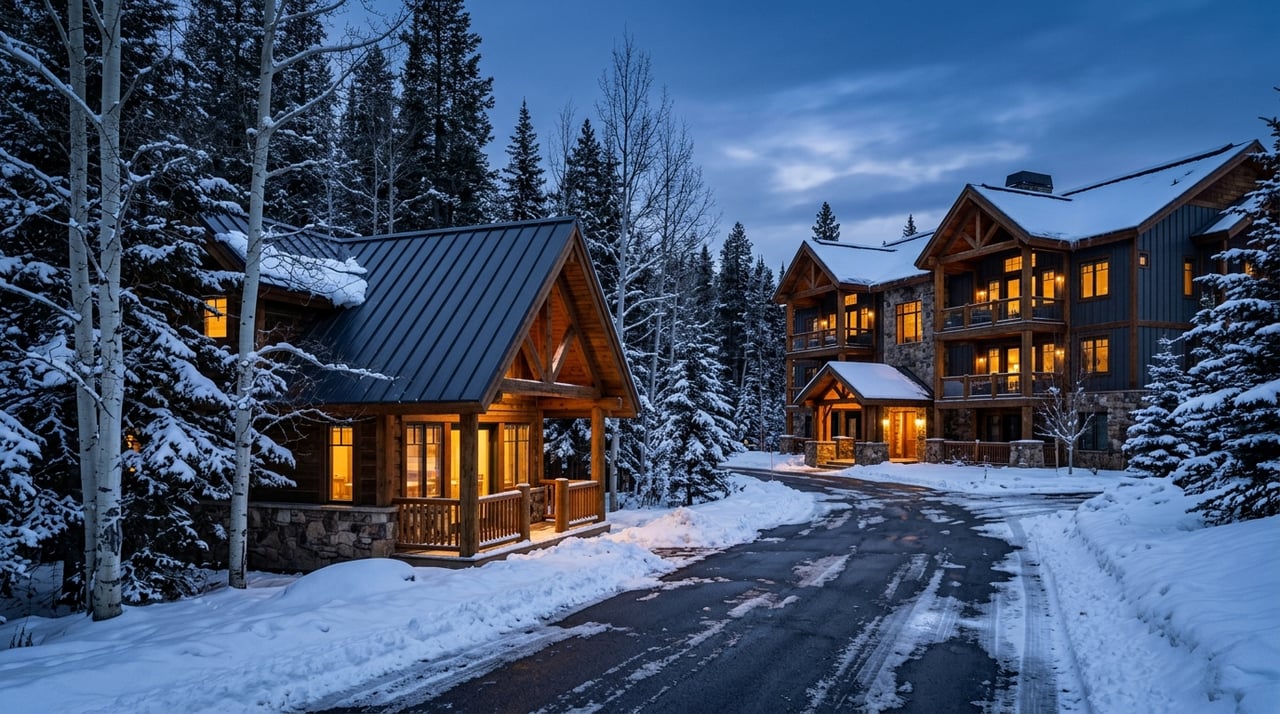
Red River is also a four-season destination. The ski area offers winter recreation supported by about 190 inches of annual snowfall and snowmaking on 75% of trails, while summer brings hiking, tubing, a scenic chairlift, zip line access, disc golf, and mini golf. If you are buying a second home here, you are likely evaluating a property for year-round enjoyment, not just one season.
Cabin vs Condo at a Glance
If you want the shortest version, the choice usually comes down to autonomy versus simplicity. A cabin often gives you more privacy and control, while a condo can make second-home ownership easier to manage.
Here is a simple side-by-side view:
| Feature | Cabin | Condo |
|---|---|---|
| Privacy | Usually higher | Usually lower due to shared walls or common areas |
| Maintenance | Owner handles more upkeep | Association handles common elements |
| Personalization | More freedom to customize | Often more limited |
| Monthly costs | More variable | More predictable, but dues apply |
| Lock-and-leave convenience | Lower | Higher |
| Proximity to town core | Varies | Often easier to find near Main Street |
| Rental considerations | Must follow town rules | Must follow town rules plus any HOA rules |
Neither option is automatically better. The right fit depends on how you want to spend your time in Red River and how involved you want to be in caring for the property.
Why a Cabin May Be the Better Fit
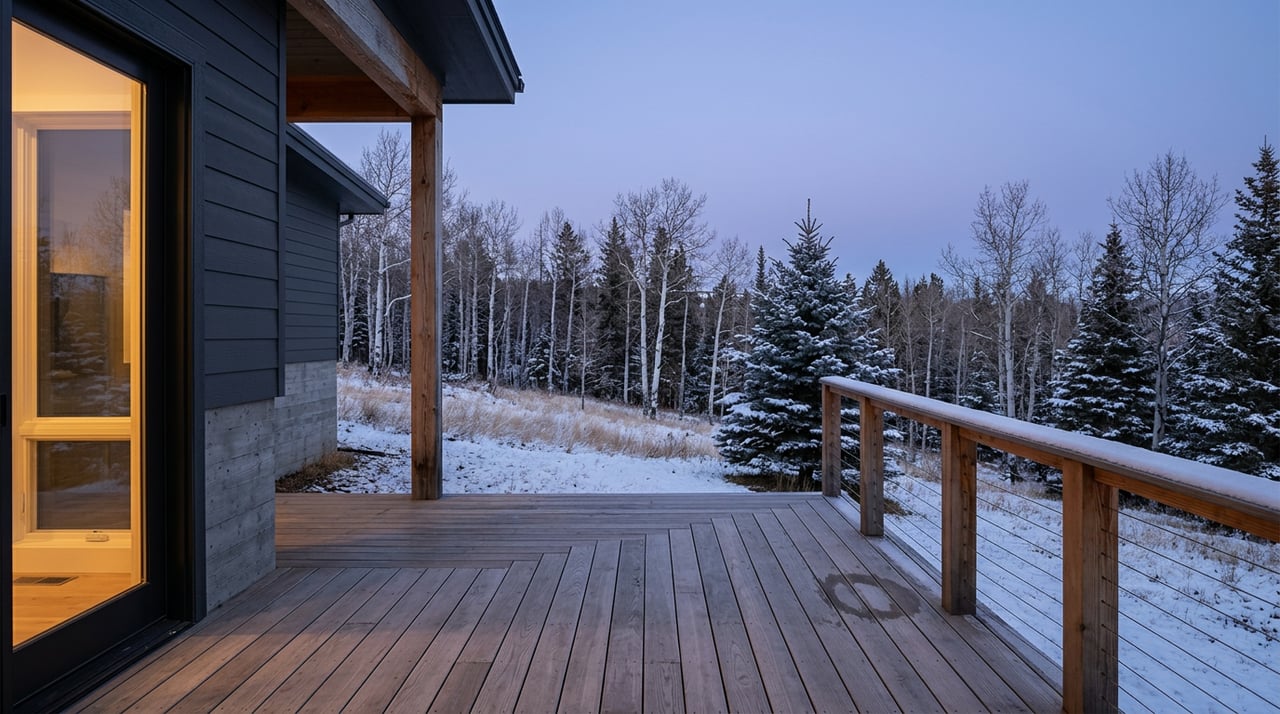
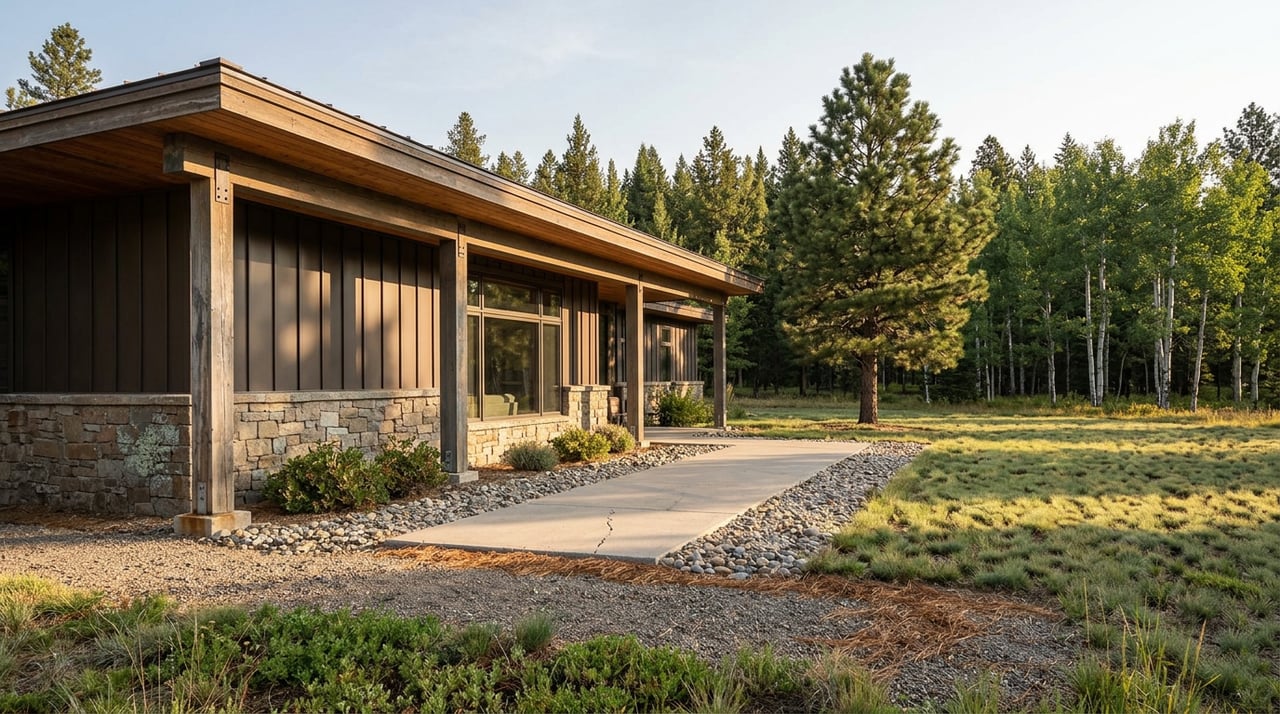
A freestanding cabin is often the better choice if you picture a true mountain retreat. You usually get more privacy, fewer shared walls, and more flexibility to personalize the property. If your ideal second home includes outdoor gear storage, room to spread out, and a little more separation from neighbors, a cabin may feel more aligned with that vision.
Cabins also tend to appeal to buyers who plan longer stays. If you want to settle in for ski weeks, extended summer visits, or holiday time with family and friends, the added space and independence can be a major advantage. For some buyers, that extra breathing room is the whole point of owning in Red River.
The tradeoff is responsibility. As the owner, you are typically on the hook for repairs, upkeep, utilities, and larger items like the roof or exterior maintenance. In a snowy resort setting like Red River, that can also mean more winter-related upkeep and less predictability in your carrying costs.
Why a Condo May Be the Better Fit
A condo can make second-home ownership feel much simpler. In general, condo associations handle maintenance, repair, and replacement of common elements, while you remain responsible for the interior of your unit. That setup can be especially appealing if you live out of town and want a property that is easier to leave between visits.
This is where Red River’s compact layout becomes a real advantage. Because Main Street is only about a mile long, a well-located condo can put you closer to dining, shopping, and resort activity without requiring much day-to-day planning. If convenience matters more to you than seclusion, a condo may check more boxes.
That said, simpler upkeep does not always mean lower total cost. HOA or condo dues are typically separate from the mortgage, and they can range from a few hundred dollars per month to more than $1,000 depending on the property. Those dues need to be part of your buying budget from day one.
Do Not Compare Price Alone
One of the biggest second-home mistakes is focusing too much on the asking price and not enough on the full cost of ownership. A cabin with a lower HOA burden may still require more maintenance, more winter care, and more reserve planning. A condo with a lower maintenance workload may come with monthly dues and annual assessments that change the math.
Property taxes also deserve a close look. Taos County notes that the assessor values property at its current and correct value and offers an estimated tax calculator, so your annual tax picture may not line up neatly with the list price alone. When you compare options, it helps to look at the entire carrying-cost picture.
Consider building your budget around these categories:
- Mortgage payment, if financing applies
- Property taxes
- HOA or condo dues
- Utilities
- Winter upkeep or snow-related maintenance
- Repair reserve for unexpected costs
- Any costs tied to rental compliance, if you plan to rent
When you run the numbers this way, the best choice often becomes clearer.
Rental Plans Add Another Layer
If your second home might also be a short-term rental, the cabin-versus-condo decision gets more nuanced. Red River has its own short-term rental rules, and Taos County’s short-term rental ordinance does not apply inside the Town of Red River. Town materials show that current short-term rentals require a town permit, that permits are issued for an individual property for one year, that compliance inspections are required, and that rentals are limited to periods of fewer than 30 days.
You also need to account for local tax obligations. Red River lists a 5% lodger’s tax and a 9.4250% gross receipts tax. The lodger’s tax reports are due by the 25th of the following month, even if no gross rent is collected.
For condo buyers, there is one more layer to review carefully: HOA restrictions. Even if a property works well as a vacation rental in theory, association rules may shape how, when, or whether short-term renting is allowed. That is why rental buyers should always evaluate legality, carrying costs, and expected occupancy together rather than assuming a property will automatically perform well.
Which Type of Buyer Usually Prefers a Cabin?
A cabin often fits buyers who want their second home to feel more personal and more private. If you value quiet, room for gear, a more individualized mountain-home experience, and the ability to control how the property looks and functions, a cabin may be the stronger match. It can also make sense if you expect to spend longer stretches in Red River instead of quick in-and-out visits.
Cabins also tend to appeal to buyers who are comfortable with hands-on ownership. That does not mean you have to do every repair yourself, but it does mean you should be ready for a more active role in managing the property over time. If that level of control sounds appealing rather than stressful, a cabin may give you the lifestyle you are after.
Which Type of Buyer Usually Prefers a Condo?
A condo often fits buyers who want a lower-maintenance second home and a more streamlined ownership experience. If you plan to visit less often, want something easier to lock and leave, or prefer being near the center of town activity, a condo can be a very practical choice. In Red River, that convenience can be especially valuable because the town core is compact and walkable by mountain-town standards.
Condos can also appeal to buyers who want fewer exterior responsibilities. If your priority is spending your time skiing, hiking, dining out, or relaxing rather than thinking about snow removal and exterior repairs, a condo may support the way you actually want to use the property. For many second-home owners, that simplicity is worth the tradeoff in privacy.
Questions to Ask Before You Decide
Before you choose between a Red River cabin and a condo, it helps to slow the process down and answer a few practical questions. The goal is not just to buy a property you like. It is to buy one you will still feel good about owning year after year.
Ask yourself:
- How often will you actually use the property?
- Do you want to be close to Main Street and resort activity?
- How much privacy matters to you?
- Are you comfortable managing maintenance from a distance?
- Will you want to rent the property for fewer than 30 days at times?
- Have you budgeted for taxes, dues, and winter-related costs?
- If buying a condo, have you reviewed association rules and expenses?
These questions can quickly reveal whether your priorities point toward simplicity or independence.
The Bottom Line for Red River Second Homes
In Red River, the cabin-versus-condo choice is really about how you want your mountain lifestyle to feel. If you want privacy, flexibility, and a more classic retreat experience, a cabin may be worth the extra responsibility. If you want convenience, easier upkeep, and a true lock-and-leave option near the heart of town, a condo may be the better fit.
Because Red River is both compact and four-season, either path can work well when the property matches your goals. The key is to compare total ownership costs, understand local rental rules, and be honest about how much time and effort you want to put into the home. That is where local guidance can save you time and help you buy with confidence.
If you are weighing cabins versus condos in Red River, The Hoffmann Team can help you compare options, narrow your search, and find a second home that fits the way you actually want to live and use the property.
FAQs
What is the main difference between a cabin and condo in Red River?
- A cabin usually offers more privacy and control, while a condo usually offers easier maintenance and more lock-and-leave convenience.
Are Red River condos always cheaper to own than cabins?
- No. Condos may reduce exterior upkeep, but HOA dues and assessments can offset some of those savings.
Can you use a Red River second home as a short-term rental?
- Yes, if the property complies with Town of Red River short-term rental rules, including permit and inspection requirements, and any HOA rules if the property is a condo.
Is Red River a good market for year-round second-home use?
- Red River functions as a four-season resort market, with winter skiing and summer recreation both supporting second-home use.
What carrying costs should buyers compare for Red River second homes?
- Buyers should compare property taxes, HOA dues if applicable, utilities, winter upkeep, repair reserves, and any costs related to short-term rental compliance.
Why does location matter so much for a Red River condo or cabin?
- Because Red River’s Main Street is only about a mile long, proximity to the town core can have a real impact on convenience, walkability, and how often you use the property.