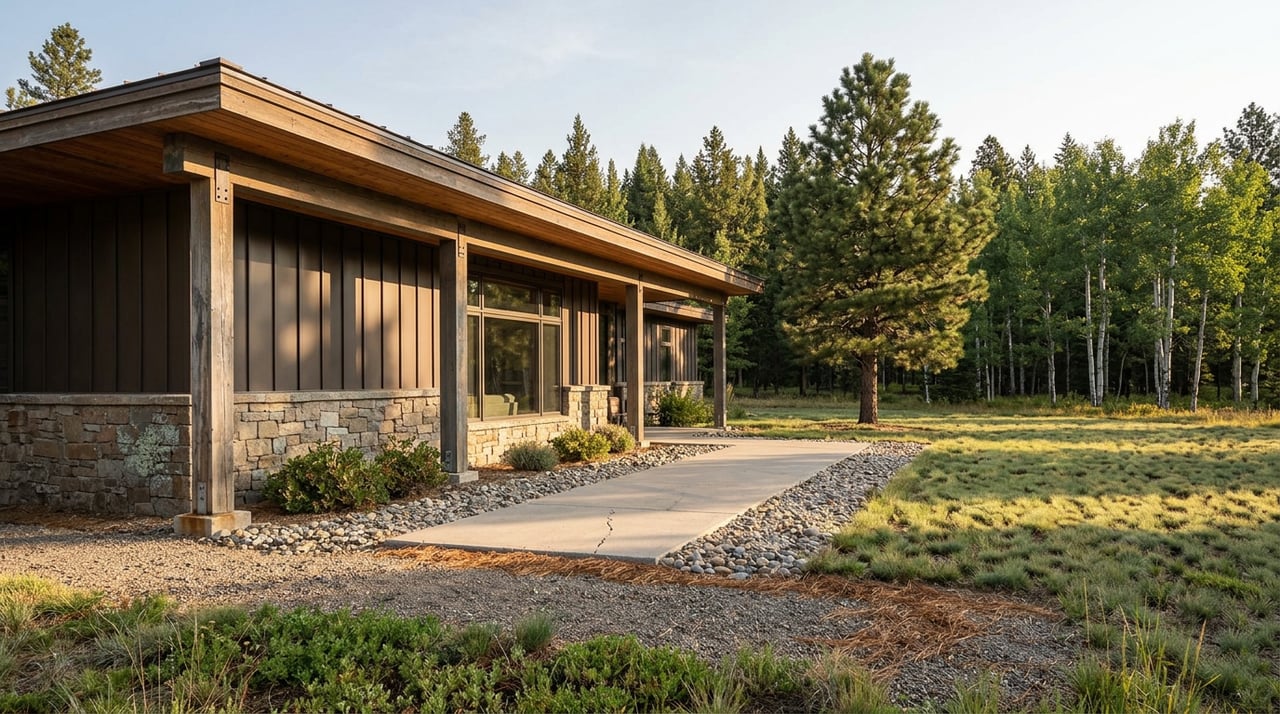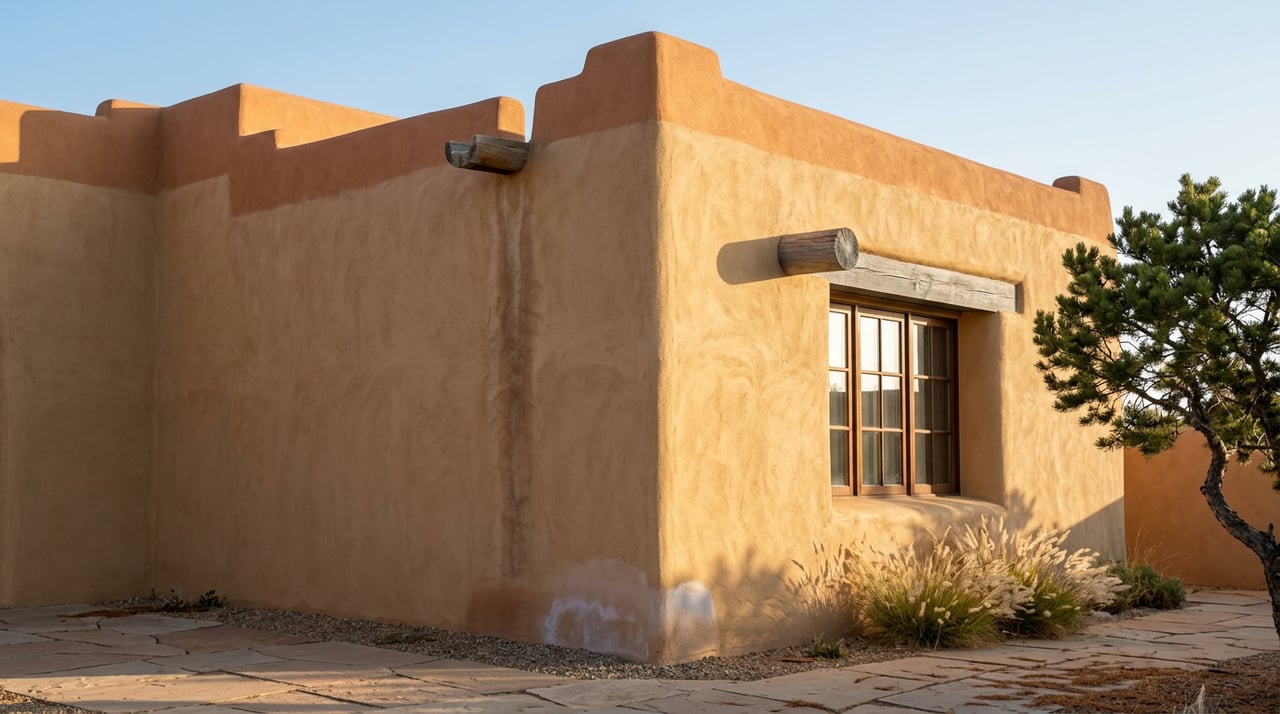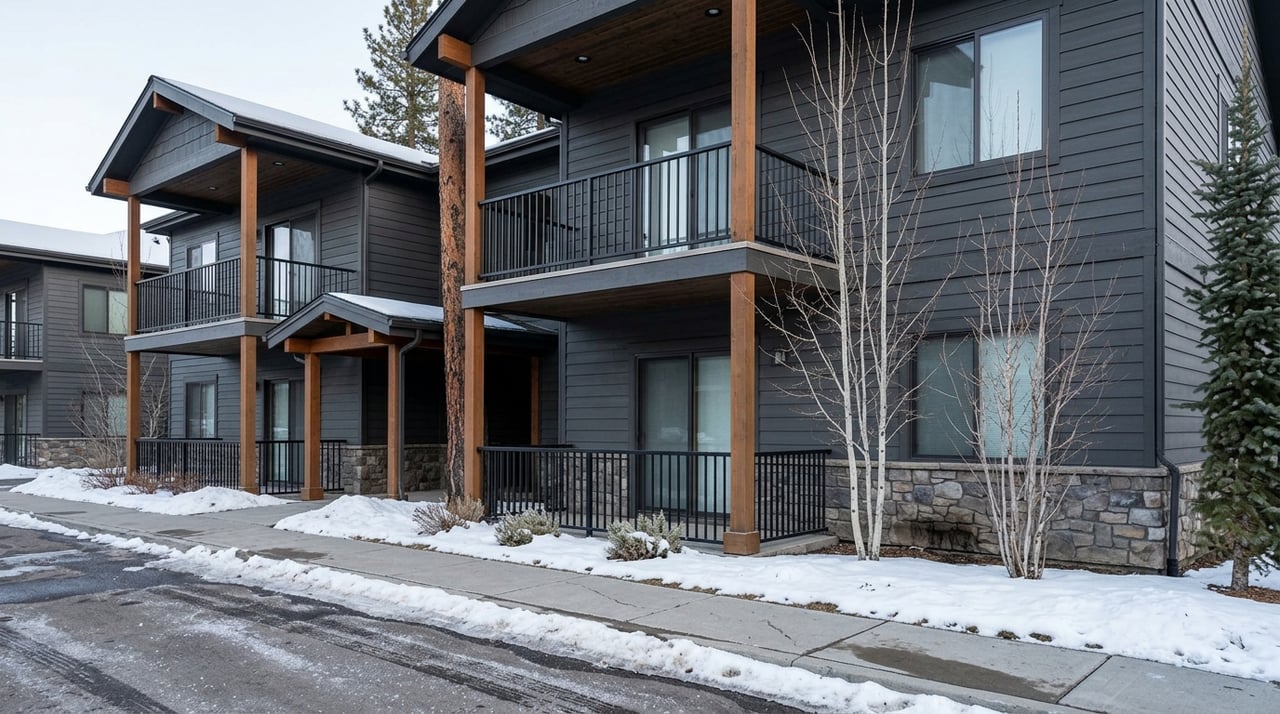
Wondering whether an Angel Fire condo is the right way to enter the resort market? You are not alone. For many buyers, condos and townhomes offer a simpler path to mountain ownership, but the real decision goes beyond price. You need to understand costs, access, rules, and how you plan to use the property. This guide will help you make sense of the Angel Fire condo market so you can compare options with confidence. Let’s dive in.
Why Angel Fire Condos Draw Buyers
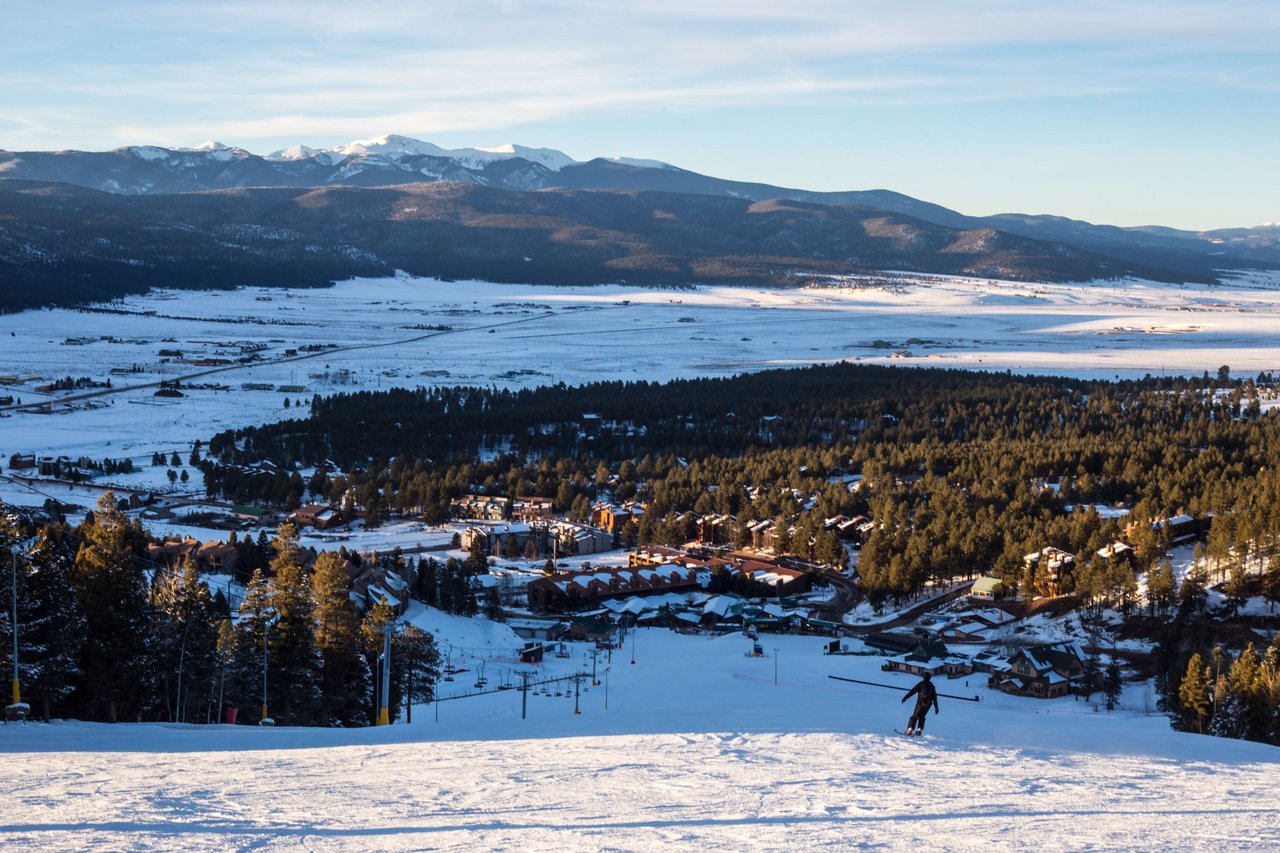
Angel Fire is a four-season resort community at 8,600 feet, and that year-round appeal shapes the condo market. In winter, the resort offers 95 ski trails, a 2,077-foot vertical drop, average annual snowfall of 210 inches, select-night skiing, free winter parking, and complimentary shuttles to the base area. In warmer months, buyers are drawn to biking, golf, lake activities, tennis, and pickleball.
That mix helps explain why condos and townhomes are so popular here. Many buyers want a lock-and-leave property that is easier to manage than a detached home, especially if they live out of town or plan to use the property part-time. For second-home buyers and investors, convenience often matters just as much as square footage.
What the Condo Market Looks Like
Current market snapshots suggest that condos sit below the broader Angel Fire market in price. Redfin reported about 70 condos for sale with a median list price of $290,000 and about 110 days on market. By comparison, Realtor.com showed roughly 356 active listings in Angel Fire overall with a median list price around $545,000 and median days on market of 137.
That gap is important. In practical terms, condos are often the lower-maintenance entry point into the local resort market. If you want access to the mountain lifestyle without taking on the full upkeep of a single-family property, condos can be a strong option.
What Angel Fire Condos Usually Offer
The condo and townhome inventory in Angel Fire covers a wide range of sizes and layouts. Current listings include smaller 1-bedroom, 1-bath units around 505 to 591 square feet, mid-range 2-bedroom, 2-bath units around 736 to 1,448 square feet, and larger 3-bedroom or 4-bedroom units from about 1,574 to 1,930 square feet.
You will also see a variety of formats. Some properties are split-level, some are two-story, and others feel more like townhomes than classic condo units. That variety matters because a buyer looking for a weekend ski base may want something very different from a buyer planning longer seasonal stays.
Common features include:
- Fireplaces
- Decks or patios
- Ski lockers
- Hot tubs
- Elevators
- Extra storage
- Furnished or turnkey presentation
These features can affect both daily enjoyment and carrying costs. A larger unit with more amenities may fit your lifestyle better, but it can also come with a different monthly expense profile.
How Location Changes the Condo Experience
In Angel Fire, location is not just about the view. It also shapes how you use the property, how often you may rent it, and what your ownership costs look like.
Brokerage neighborhood guides commonly group Angel Fire into areas such as Resort Village, Country Club, Golf Course/Nordic, Village North/Back Basin, Monte Verde Lake, The Chalets, The Aspens, The Summit, and West Village. Buyers often compare these areas by proximity to lifts, views, rental appeal, parking, and whether they want base-area energy or a quieter setting away from the base.
Resort Village
Resort Village is generally considered the walkable base-area core near the ski area and bike park. If your goal is quick access to lifts and a central resort feel, this area often draws the most attention.
Golf Course and Nordic Area
The Golf Course/Nordic area centers around the golf course and Nordic trail network. Buyers who want a setting oriented around those amenities often start their search here.
Monte Verde Lake Area
Monte Verde Lake is the 28-acre lake neighborhood. For some buyers, that setting offers a different kind of seasonal appeal than the base-area core.
Ownership Is More Layered Than It Looks
One of the biggest mistakes buyers make in Angel Fire is assuming every condo works the same way. In reality, ownership can include multiple layers of dues, rights, and approval requirements.
According to AAFPO, Angel Fire Resort owns the amenities, and property owners pay annual assessments to use them. AAFPO also states that every property owner, plus spouse and dependent children, has the right to use the amenities once that assessment is paid.
The resort’s current posted membership year runs from May 1, 2025 through April 30, 2026. Published dues are $1,695 for Base and $3,675 for Platinum. The member FAQ states that the primary membership covers the deeded owner’s immediate family, and Extended Family Benefits can be added for certain relatives.
This matters because not every buyer wants the same ownership experience. If you are buying for personal recreation, resort access may be a major priority. If you are focused on keeping fixed costs lower, you need to confirm exactly which memberships and assessments apply to the unit you are considering.
Condo HOA vs. Resort Membership
In many Angel Fire condo purchases, you are not just evaluating one HOA bill. You may be looking at both a condo association and the resort-related ownership structure.
Angel Fire Resort’s FAQ states that a condo buyer is required to join both the condo association and AAFPO. Some listings outside the resort boundary, however, state that there are no required annual membership dues or no additional resort fees. That is why one of the first due diligence questions should be whether the unit sits inside the resort assessment structure or only inside a condo HOA.
This is a key point for buyers comparing similar-looking units. Two condos may have similar size and location, but very different cost structures depending on whether resort-related dues apply.
Monthly Costs Matter More Than Price Alone
In Angel Fire, the smartest condo comparisons usually start with carrying costs, not just list price. Monthly HOA dues can vary sharply by complex.
Current listing snapshots show HOA dues around:
- $242 per month
- $255 per month
- $300 per month
- $331 per month
- $373 per month
- $560 per month
Some listings say those fees include items such as insurance, grounds maintenance, structure maintenance, sewer, snow removal, trash, and water. Others may cover less, which means your true monthly cost could be higher than it first appears.
The Village of Angel Fire also publishes multifamily residential trash service at $22.50 per month per unit. The village separately operates water and wastewater service as well. If those utilities are not already included in HOA dues, you should budget for them as separate line items.
Renovation Rules Can Affect Value and Plans
If you plan to update a condo, due diligence becomes even more important. In Angel Fire, improvement plans may involve more than a simple contractor estimate.
Village and resort documents note that properties in Angel Fire Resort HOA subdivisions need Environmental/Architectural Committee approval before village building-permit submittals. If you are considering kitchen updates, exterior work, or other improvements, you will want to understand the approval process early.
That does not mean you should avoid a remodel candidate. It simply means you should treat renovation review as part of the purchase decision, not as an afterthought after closing.
Short-Term Rental Rules to Know
If you are buying with rental income in mind, local rules should be part of your earliest screening process. In Angel Fire, short-term rental use comes with specific village requirements for stays under 30 nights.
The village requires:
- A New Mexico Gross Receipts Tax number
- A Village business registration
- A Village short-term rental permit
The permit fee is tied to bathroom count. The village also requires a 5% lodgers tax plus a 2.4% sports-and-recreation fee on lodging, monthly reporting due by the 25th, and an annual business registration fee of $35.
If you use a property management company and it holds a valid village business license, you may not need a separate business license. Even so, buyers should verify how a specific condo complex handles rentals and what local compliance steps apply before they rely on projected rental use.
The Best Way to Compare Condos
In Angel Fire, the best condo is not always the one with the lowest price per square foot. The right choice depends on how the full ownership picture matches your goals.
A practical comparison framework includes:
- Proximity to the base area
- Whether resort membership is included or required
- What the HOA covers
- Parking and storage options
- Rental flexibility
- Whether remodels need AFE/ACC approval
When you look at condos through that lens, the market becomes much easier to understand. You are not just buying a floor plan. You are choosing a cost-and-access structure that fits how you want to live, visit, or invest.
What This Means for Buyers Today
For many buyers, Angel Fire condos offer a smart way to own in a four-season mountain resort without stepping straight into the price and maintenance demands of a detached home. The current market data supports that position, with condo pricing notably below the broader market.
At the same time, condos here require careful review. HOA dues, resort assessments, utility costs, rental rules, and renovation approvals can all shape the real value of a property. When you understand those moving parts, you can buy more confidently and avoid surprises later.
If you are comparing condos in Angel Fire, local guidance can make the process much clearer. The right team can help you sort through location tradeoffs, fee structures, rental questions, and lifestyle fit so you can focus on the property that truly matches your plan. When you are ready to explore the market, connect with The Hoffmann Team.
FAQs
What is the typical price point for condos in Angel Fire?
- Current market snapshots showed about 70 condos for sale with a median list price of $290,000, which is below the broader Angel Fire median list price of around $545,000.
What sizes do Angel Fire condos usually come in?
- Current listing examples range from about 505 to 591 square feet for smaller 1-bedroom units up to about 1,574 to 1,930 square feet for larger 3-bedroom and 4-bedroom units.
What costs should buyers review when purchasing an Angel Fire condo?
- You should review condo HOA dues, possible resort-related assessments, village utilities if not included, and any costs tied to rental compliance or future renovations.
What do condo HOA fees in Angel Fire sometimes include?
- Some current listings state that HOA dues may include insurance, grounds maintenance, structure maintenance, sewer, snow removal, trash, and water.
What should buyers know about resort membership for Angel Fire condos?
- Angel Fire Resort’s FAQ states that condo buyers are required to join both the condo association and AAFPO, but some units outside the resort boundary may not have additional resort fees, so buyers should confirm the property’s exact structure.
What are the Angel Fire rules for short-term rentals?
- For stays under 30 nights, the village requires a New Mexico Gross Receipts Tax number, a Village business registration, and a Village short-term rental permit, along with applicable lodging-related taxes and reporting.
What should buyers ask before remodeling an Angel Fire condo?
- Buyers should ask whether the property is in an Angel Fire Resort HOA subdivision and whether Environmental/Architectural Committee approval is required before village permit submittals.
What is the most important way to compare Angel Fire condos?
- A strong comparison starts with proximity to the base area, HOA coverage, resort access, parking and storage, rental flexibility, and approval requirements for updates, not just price per square foot.