If you have been watching the Angel Fire market, you have probably noticed that home values do not move on a simple year-round pattern. This is a resort market, and that means buyer attention tends to rise and fall with ski trips, summer vacations, and second-home shopping cycles. When you understand those seasonal shifts, you can make smarter decisions whether you are buying, selling, or simply timing your next move. Let’s dive in.
Why Angel Fire Is a Seasonal Market
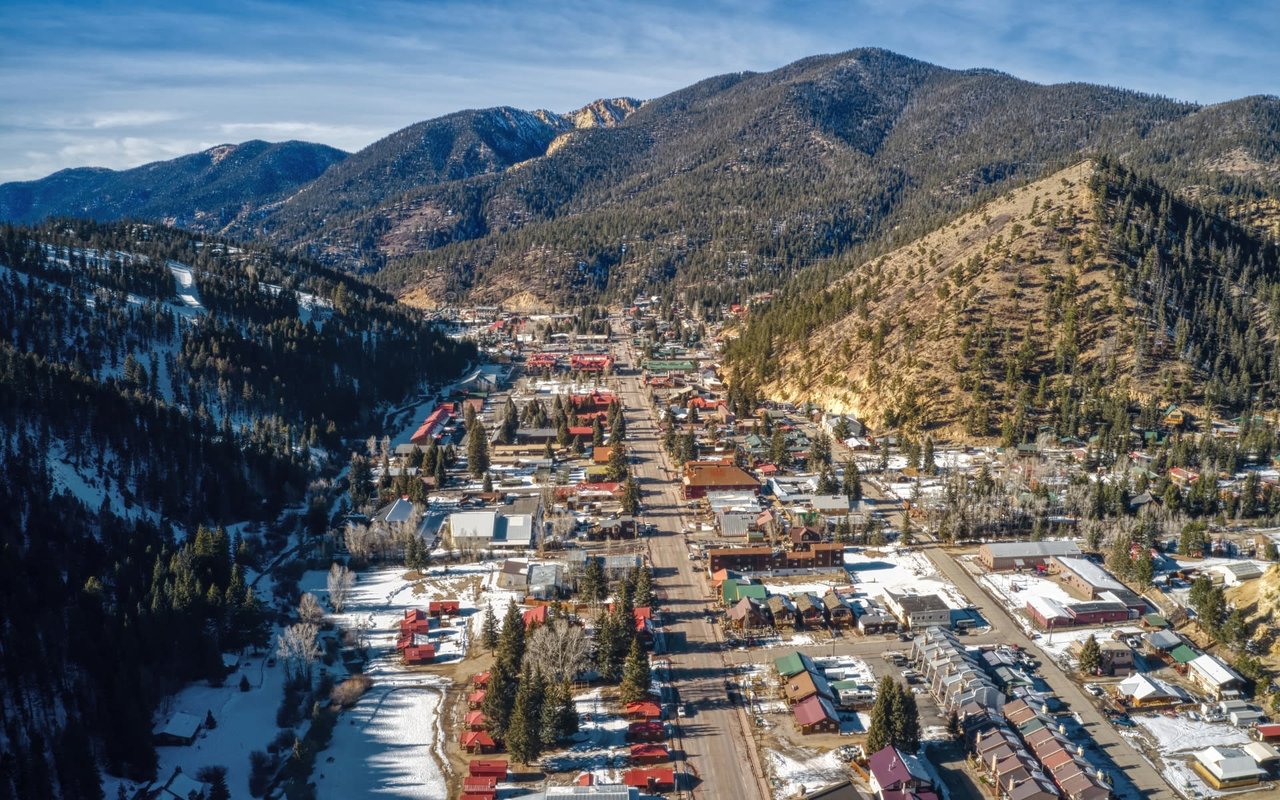
Angel Fire functions more like a four-season resort town than a typical primary-home market. According to the Angel Fire Chamber of Commerce area facts, the community has about 1,082 permanent full-time residents and roughly 1,600 seasonal residents. Many of those seasonal owners also rent out their homes or condos as short-term rentals when they are away.
That mix matters because demand is not driven only by year-round local housing needs. It is also shaped by vacation-home buyers, returning seasonal owners, short-term rental demand, and workers tied to the resort economy. The same chamber data notes that Angel Fire Resort is a major employer, with full-time staff plus large winter and summer seasonal workforces.
Two Demand Peaks Shape Buyer Activity
Angel Fire has two major visitor windows each year, and both can affect housing demand. The first is ski season, and the second is the summer recreation season.
Winter Demand and Ski Season
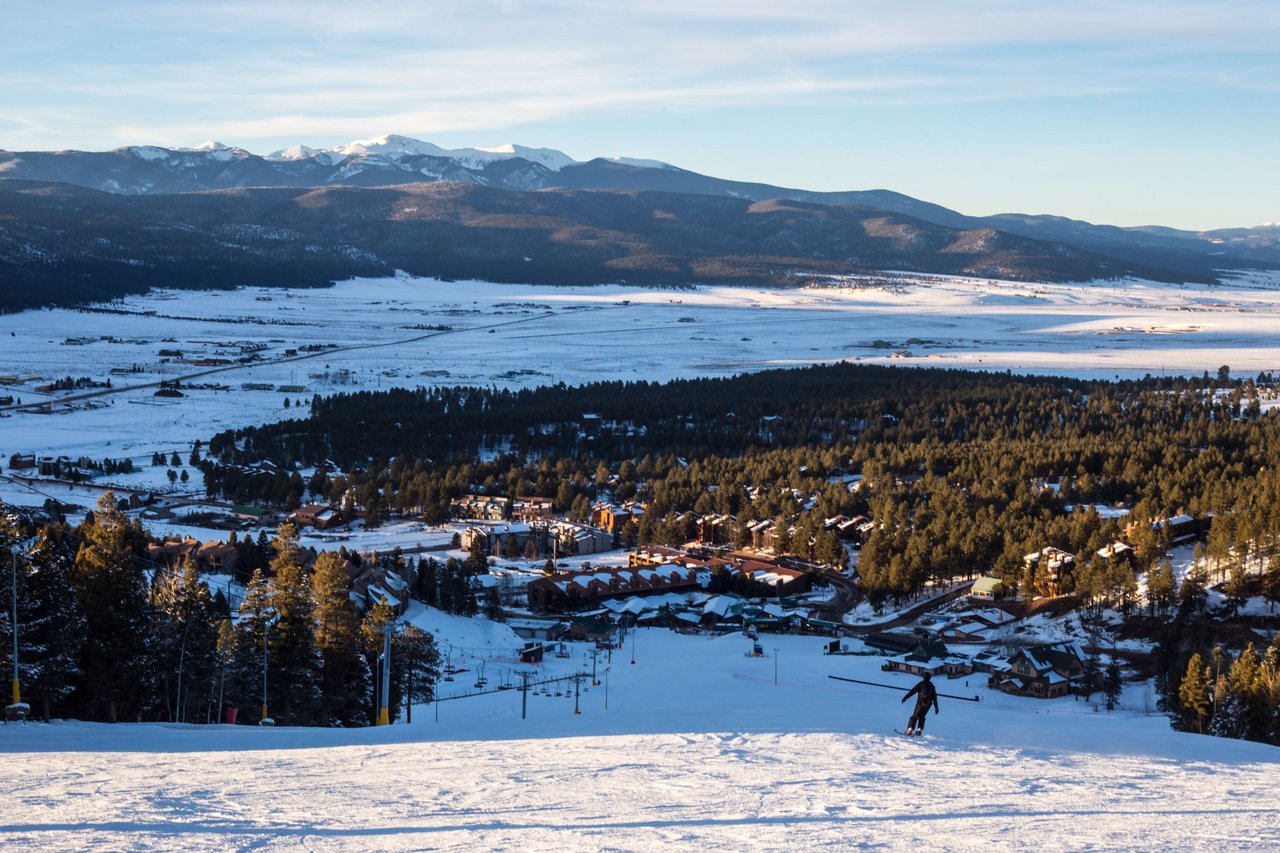
The Angel Fire Resort winter schedule shows the ski season running from December 12, 2025, through March 22, 2026. Local civic information also notes that ski weekends can bring thousands of visitors, with lodging for more than 5,000 guests per night. That kind of traffic naturally increases visibility for homes, condos, and cabins that appeal to winter visitors.
In practice, this often means more attention for resort-adjacent properties and homes with strong vacation-use appeal. Buyers visiting for ski trips may also decide to tour homes while they are in town. Still, more visitor traffic does not always mean stronger pricing power for sellers.
Summer Recreation Demand
Angel Fire’s second major demand wave arrives in late spring and summer. The Angel Fire Resort summer season runs from May 15 through November 1, 2026, with activities like golf, mountain biking, hiking, scenic chairlift rides, and lake recreation.
The chamber also describes Angel Fire as a four-season destination, supported by mild summer temperatures and abundant sunshine. For many buyers, especially second-home shoppers, summer offers the best chance to experience the mountain lifestyle firsthand. That can create another strong window of interest for vacation homes and investment-minded purchases.
What Current Data Says About Angel Fire Home Values
Seasonality shapes demand, but the broader market still matters. Right now, public market data suggests buyers have choices and sellers need to be strategic.
According to Realtor.com’s Angel Fire market snapshot, there were 338 homes for sale in March 2026, with a median listing price of $590,000 and a median of 141 days on market. The 87710 ZIP snapshot showed 327 homes and a median home price of $600,000 through December 2025.
Those numbers point to a market with meaningful inventory, not a market where nearly every listing moves quickly. Longer days on market often give buyers more time to compare options, and that can influence both final pricing and negotiations.
Buyer’s Market Conditions Matter
The same Realtor.com local data classifies Angel Fire as a buyer’s market. It also shows homes selling below asking price on average, including 6.67% below asking on the city snapshot in February 2026.
That is an important part of the story. Seasonal demand may increase showing activity at certain times of year, but buyers still have leverage in the current environment. For sellers, this means timing helps, but pricing and presentation remain critical.
Inventory Growth Changes the Equation
Another factor shaping value is inventory growth. Realtor.com reports active listings up significantly year over year and over a three-year period, while days on market have also risen.
When inventory grows faster than buyer demand, buyers gain more options. In a seasonal resort market like Angel Fire, that can soften upward pressure on prices even during busier travel seasons. It also means sellers may need to stand out more clearly during peak visitor periods.
How Seasons Can Influence Home Values
Seasonal demand does not affect every property the same way. A ski condo near resort amenities, a mountain cabin with rental appeal, and a larger year-round home may each respond differently to the calendar.
Still, the market generally follows a pattern built around winter, spring, summer, and the shoulder seasons.
Winter Brings Attention, Not Always Top Dollar
Winter puts Angel Fire in front of more visitors because ski season drives travel. That can boost interest in homes that align with ski use, vacation ownership, or short-term rental potential.
At the same time, national seasonal data from the National Association of Realtors shows that December through February is typically the slowest period for the broader U.S. housing market. So while Angel Fire may feel active during ski season, that does not guarantee the strongest pricing conditions of the year.
Holiday periods and peak ski weekends may bring a spike in traffic, but buyers can still expect room to negotiate outside the busiest stretches. That is one reason winter visibility and winter pricing power are not always the same thing.
Spring Often Supports Broadest Exposure
Spring is often the strongest general listing season in real estate. NAR notes that April through June is typically the busiest period nationally, with June often marking the peak for sales activity.
For Angel Fire, that timing lines up well with the lead-in to summer travel. If you are selling, spring can offer a useful combination of stronger overall buyer behavior and growing interest in summer recreation property. For many sellers, this may be the best window to reach both traditional home shoppers and resort-oriented buyers.
Summer Supports Lifestyle-Driven Demand
Summer is a major driver of Angel Fire interest because buyers can experience the area during a very different season. The combination of cool weather, mountain recreation, and extended resort activities can make homes especially appealing to second-home buyers.
That said, summer demand does not always translate into rapid price gains. Resort-town buyers are often making discretionary purchases, and that means affordability concerns, economic uncertainty, and inventory levels can all influence how aggressive they are. Summer may increase interest, but buyers may still negotiate carefully.
Fall and Shoulder Seasons Favor Buyers
The periods between major activity peaks often create more negotiating room. NAR reports that the national market tends to slow in October and November, and that lower activity generally continues into winter outside holiday travel peaks.
In Angel Fire, that likely means fewer casual visitors and less urgency from buyers who are not tied to a specific seasonal use case. If you are buying, these quieter stretches may offer better leverage. If you are selling, they usually require sharper pricing and stronger marketing to keep attention high.
What Buyers Should Know
If you are buying in Angel Fire, timing your search around your goal can help. If you want the widest selection, spring into early summer may offer more inventory and more active listing volume.
If your top goal is negotiating leverage, late fall and quieter winter periods may give you more room to work, especially outside holiday and ski-peak weeks. Current market conditions already suggest buyers have options, so timing can add another advantage.
It is also worth remembering that not every property follows the same seasonal pattern. A home near resort amenities may attract different buyer behavior than a larger parcel or a property designed more for year-round living. Looking at the individual property type matters just as much as watching the calendar.
What Sellers Should Know
If you are selling in Angel Fire, seasonal demand can help, but only if you are prepared before the demand window opens. That means finishing pricing strategy, photography, marketing materials, and listing prep ahead of the season you want to capture.
For some homes, that may mean launching before spring activity builds. For others, especially ski-oriented homes or condos, it may make sense to be market-ready before winter visitors arrive.
In the current market, exposure alone is not enough. Because buyers have choices and homes are often selling below asking, the strongest results usually come from disciplined pricing, polished presentation, and a launch timed to the most relevant seasonal audience.
The Bottom Line on Seasonal Demand
Angel Fire home values are shaped by more than standard real estate seasonality. This is a two-peak resort market, with one demand wave tied to ski season and another tied to summer recreation.
That pattern affects how many buyers are in town, what types of homes they notice, how long listings may sit, and how much negotiating room buyers expect. In today’s market, seasonal demand can absolutely influence exposure and activity, but it works best when paired with realistic pricing and local strategy.
If you want help understanding how seasonal timing applies to your specific property or purchase goals, connect with The Hoffmann Team. Their local market knowledge, resort-property experience, and data-driven approach can help you navigate Angel Fire with more clarity and confidence.
FAQs
How does ski season affect Angel Fire home values?
- Ski season can increase attention on resort-adjacent homes, cabins, and condos, but it does not automatically create the highest prices because buyers may still have room to negotiate.
When is the best time to sell a home in Angel Fire?
- Spring is often a strong time to list because it lines up with the busiest national sales season and the lead-up to Angel Fire’s summer recreation demand.
When do buyers have the most leverage in the Angel Fire market?
- Buyers may find more negotiating room in late fall and quieter winter periods, especially outside holiday and peak ski travel windows.
Why is the Angel Fire real estate market so seasonal?
- Angel Fire has a small full-time population, a meaningful seasonal-resident base, and a resort-driven economy that creates major winter and summer demand peaks.
What is the current housing market like in Angel Fire?
- Current public data shows a buyer’s market with substantial inventory, median prices around $590,000 to $600,000, and homes often taking months to sell.
Do all Angel Fire properties respond to seasonal demand the same way?
- No, seasonal patterns can vary based on property type, location, resort access, and whether a home appeals more to vacation buyers, investors, or year-round owners.