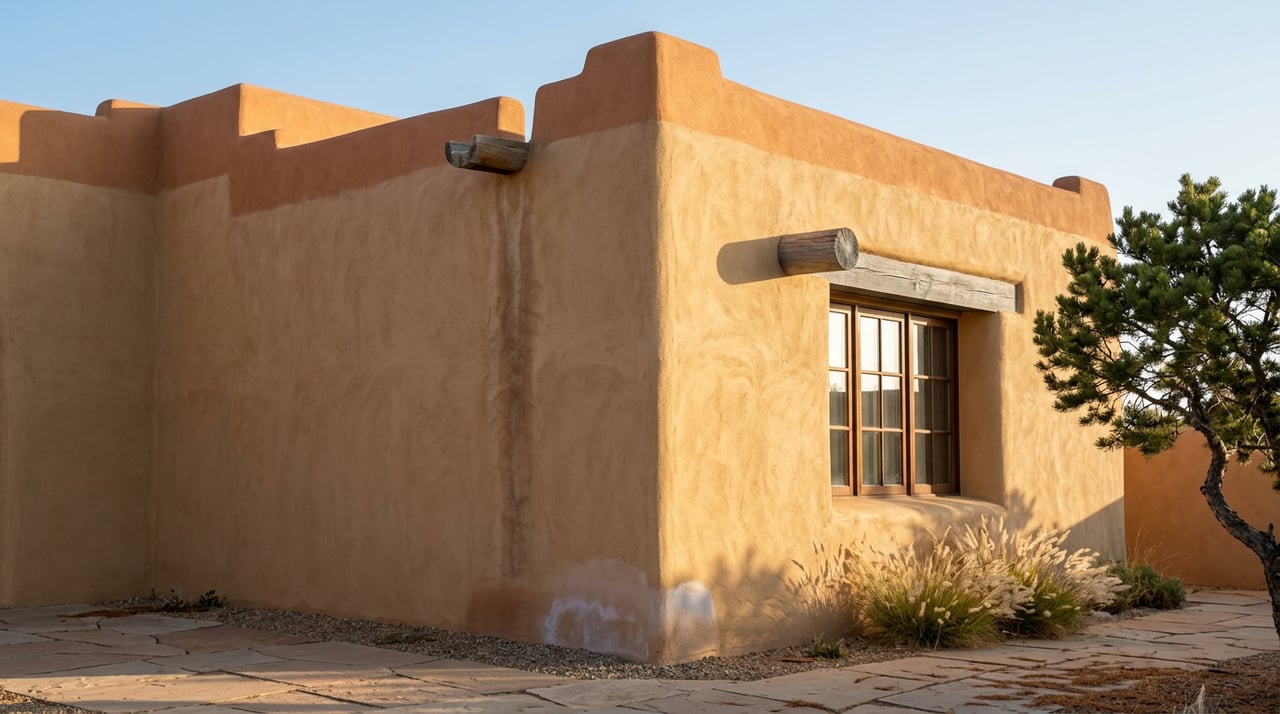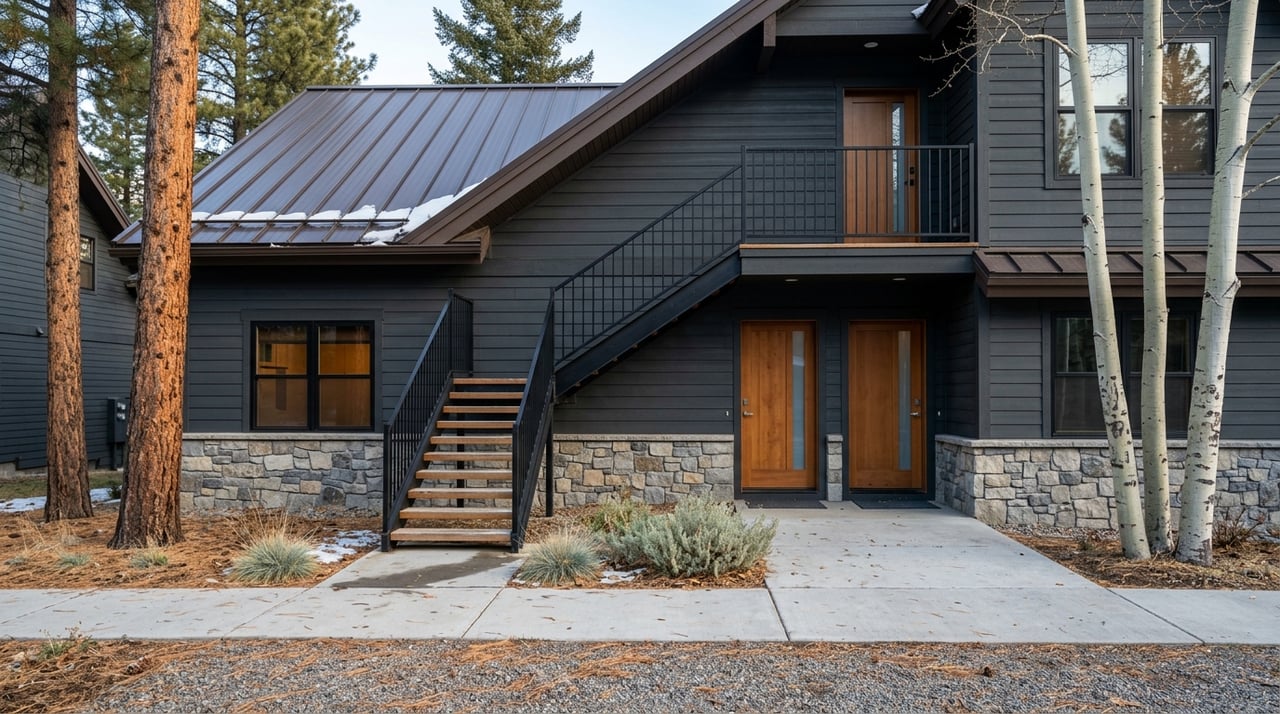
Trying to choose between an Angel Fire cabin and a condo? You are not alone. Many buyers love the mountain lifestyle here but get stuck on one big question: do you want the privacy and space of a stand-alone home, or the simpler upkeep and lower entry price that often come with a condo? This guide breaks down the real tradeoffs in Angel Fire so you can compare costs, lifestyle fit, maintenance, and rental considerations with more confidence. Let’s dive in.
Angel Fire Buyers Start Here
Angel Fire is a four-season resort market, and that shapes how you should think about property choices. Homes and condos here are often tied to access to skiing, golf, trails, and the lake, so your decision is about more than square footage alone.
The price gap between condos and detached homes is also meaningful. Current market snapshots show a typical Angel Fire home value around $513,662, an all-home median sale price around $624,126, and a condo median listing price near $280,000. In simple terms, condos often offer a lower price point, while cabins and detached homes usually require a bigger budget.
Condo vs Cabin Cost Differences
Condos Often Cost Less Up Front
If your top priority is getting into the Angel Fire market at a lower purchase price, a condo may be the easier path. Current condo listings range from about $153,900 for some studio options to roughly $695,000 for larger updated units, with many listings falling between $169,000 and $455,000.
That lower entry point can be appealing if you want a second home, a vacation place, or an investment property near resort amenities. It can also open the door to locations closer to the mountain base area that may be harder to reach with a detached-home budget.
Cabins Usually Require More Budget
Detached cabins and homes in Angel Fire tend to cover a much wider price range. Current no-HOA detached-home listings run from about $239,000 to $4.4 million, with many examples in the $375,000 to $950,000 range and several above $1 million.
That broader range gives you more variety in size, land, and layout. If you want extra bedrooms, a garage, storage for gear, or a more stand-alone mountain feel, you will often find those features in the detached-home market.
HOA Fees Change the Math
A lower purchase price does not always mean a lower overall cost. In Angel Fire, condo ownership often comes with HOA dues that can range from about $115 per month up to roughly $560 to $705 per month, and some units may even have a second HOA fee.
Those costs matter when you build your monthly budget. Before you decide a condo is the more affordable option, it helps to compare the purchase price, dues, insurance responsibilities, and expected upkeep side by side.
What Condo HOA Dues May Cover
One reason many buyers still prefer condos is that HOA services often bundle in major property tasks. Current Angel Fire condo examples commonly include items like insurance, grounds maintenance, structure maintenance, sewer, snow removal, and water.
That structure can make ownership feel more predictable. If you live out of town or only use the property seasonally, having those services wrapped into the association can be a major convenience.
Cabins Are Not Always HOA-Free
Some buyers assume a cabin automatically means no HOA. In Angel Fire, that is not always true.
Current cabin-style home examples show dues such as $125 per month, $266 per month, and $1,410 quarterly, although there is also a large no-HOA home inventory. If avoiding association rules or monthly dues is important to you, you will want to review each property carefully rather than assume the property type tells the whole story.
Lifestyle Fit Matters Just as Much
Condos Fit Lock-and-Leave Ownership
Condos often work well if you want a place you can enjoy and then leave without as many day-to-day maintenance concerns. Many buyers looking for a second home like the fact that condos can offer a more manageable ownership experience, especially during snowy months.
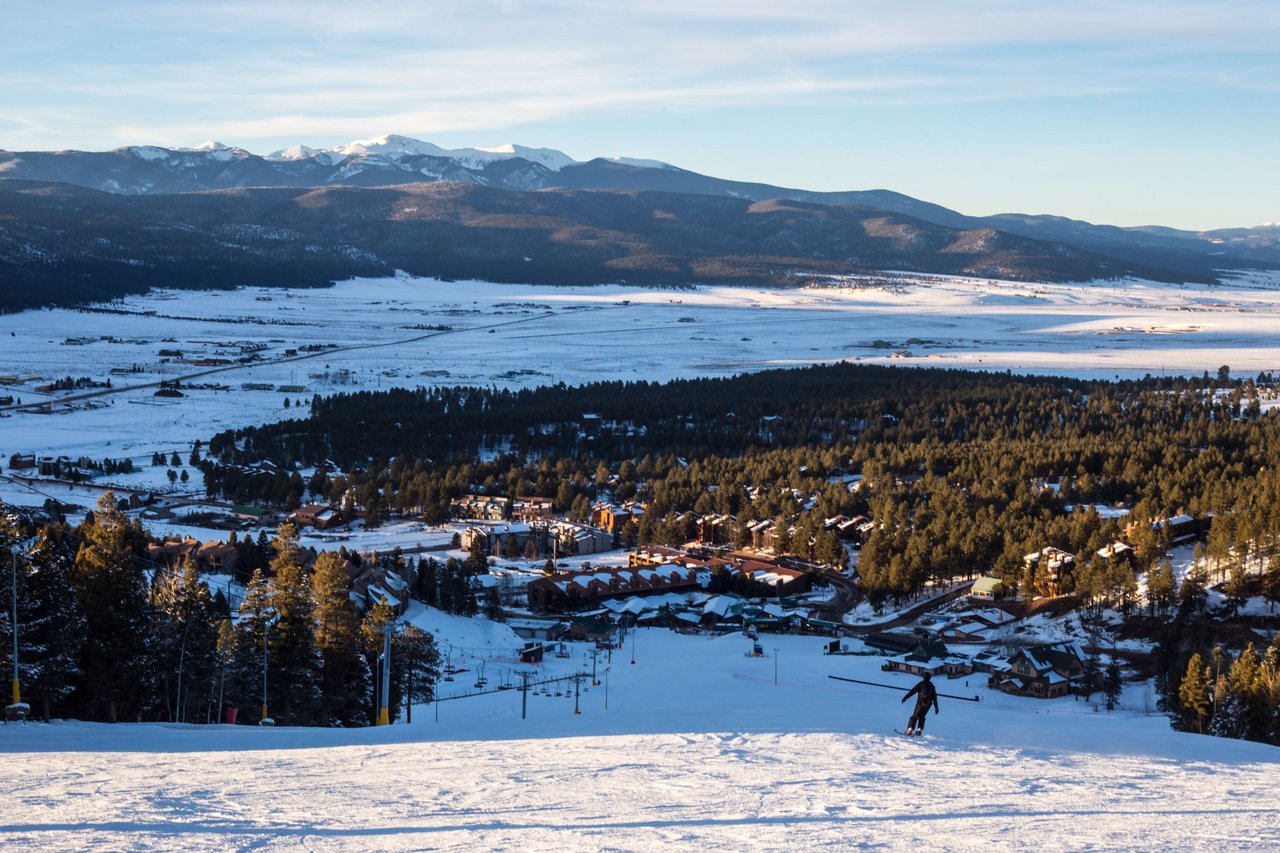
In Angel Fire, some current condo listings are marketed around walking distance to the Chile Express lift or easy access to skiing, golf, and trails. If being close to resort activity matters more than having private outdoor space, a condo may be the better fit.
Cabins Offer More Space and Privacy
Cabins and detached homes usually appeal to buyers who want privacy, yard space, parking, and storage. The detached-home inventory in Angel Fire also includes much larger lots than typical condo inventory, with examples around 0.53 acres, 0.97 acres, 1.67 acres, and even 3.71 acres.
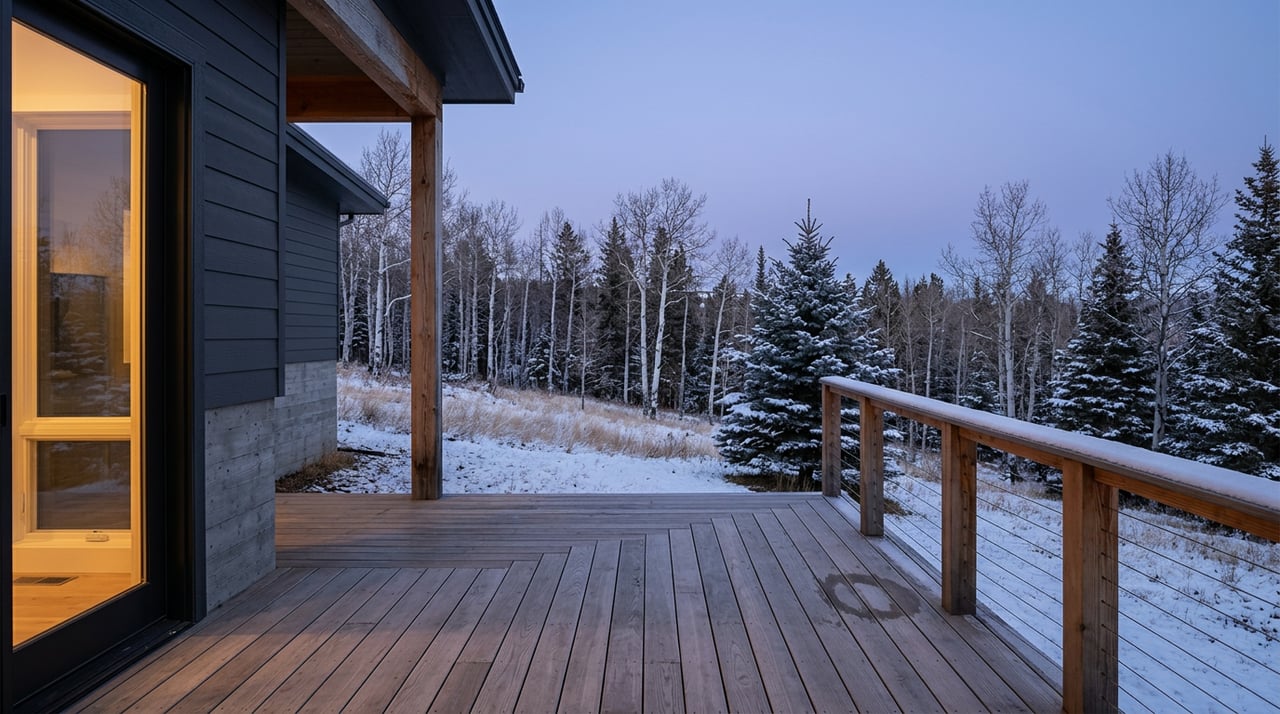
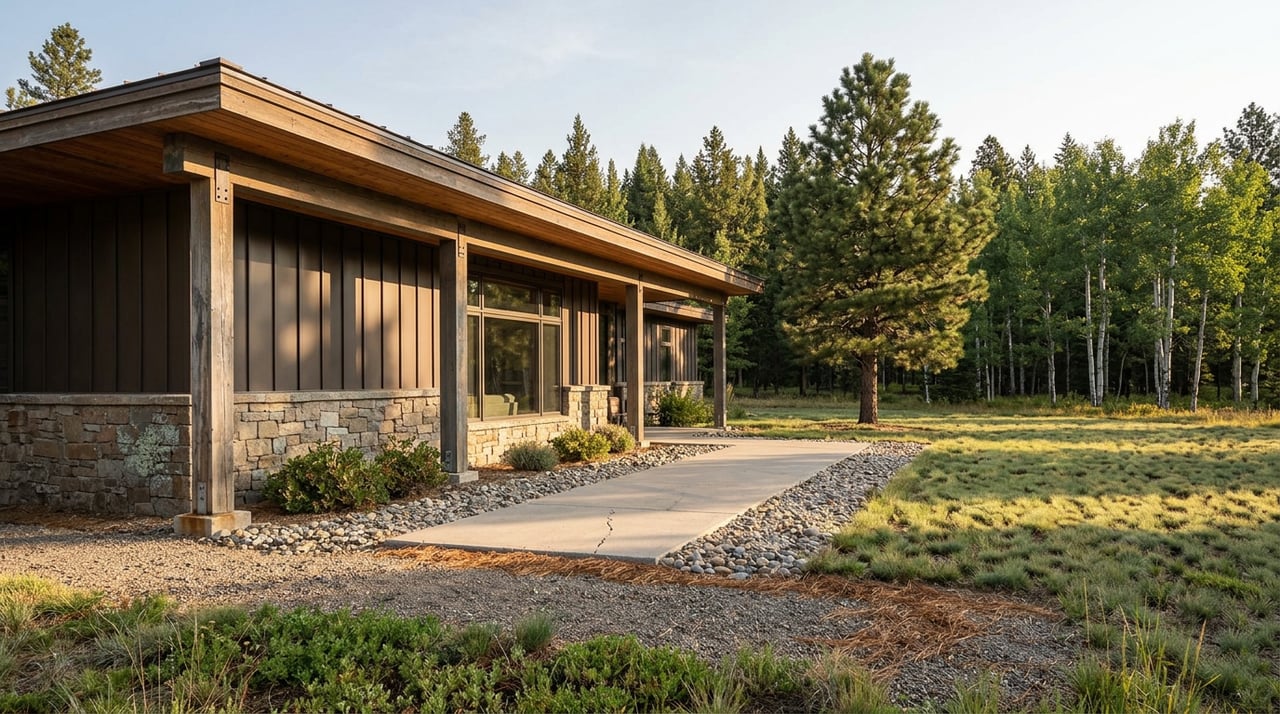
That extra space can change how the property feels and functions. If you picture long stays, extra room for guests, more gear storage, or a true mountain-home atmosphere, a cabin may line up better with your goals.
Think About Resale Pace
Resale timing is worth considering, especially if you think you may sell in a few years. Current market data shows about 94 condos for sale in Angel Fire, with condos taking about 116 days on market, compared with 81 days on market for all homes.
That does not mean condos are a poor choice. It does mean you should go in with realistic expectations about competition and resale timing, especially if you are buying with a shorter hold period in mind.
Short-Term Rental Rules in Angel Fire
If rental income is part of your plan, you need to look beyond the property itself. In Angel Fire, short-term rental use depends on both local rules and any community or association restrictions tied to the property.
Village Permit Requirements
The Village of Angel Fire requires a valid short-term rental permit for all short-term rental units. For stays shorter than 30 nights, owners need a New Mexico Gross Receipts Tax number, a Village business registration, and a Village STR permit.
The village business registration fee is $35 annually. The STR permit fee is $75 per full bath and $40 per half bath, which means a larger cabin with more bathrooms may cost more to permit than a smaller condo.
Taxes and Ongoing Reporting
Angel Fire also imposes a 5% lodger’s tax on gross taxable rent and a 2.4% sports and recreation fee. Monthly reports are due by the 25th of the following month, even if there were no rentals during that period.
The village also lists a 7.5208% gross receipts tax rate. Gross taxable rent includes cleaning fees, pet fees, and other miscellaneous charges, so it is important to understand the full reporting picture before you buy.
Rental Operations Can Vary by Property
From an operations standpoint, Angel Fire Resort has a property management program that rents condos and homes and provides check-in and concierge service, seven-day-a-week maintenance, housekeeping, and 24-hour emergency maintenance. That can make a resort-area property easier to operate as a vacation rental.
Still, no property should be assumed rentable just because it is in a popular area. You will need to confirm whether the specific condo association or community rules allow the rental use you want, along with village permit and tax compliance.
A Simple Way to Decide
If you are torn between the two, start with your actual use case instead of the dream image in your head. The right choice usually becomes clearer when you focus on how often you will use the property, how much maintenance you want to handle, and whether rental income is part of the plan.
Here are a few helpful questions to ask yourself:
- Do you want the lowest possible entry price into Angel Fire?
- Do you prefer bundled maintenance and easier lock-and-leave ownership?
- Is privacy, parking, storage, or yard space a top priority?
- Do you want to avoid or minimize HOA restrictions and dues?
- Will you rent the property for stays under 30 nights?
- How important is proximity to the resort base area?
What Many Buyers Find in Angel Fire
In practice, buyers who want convenience, easier upkeep, and a lower initial price often lean toward condos. Buyers who want a more stand-alone mountain lifestyle, larger lots, and more flexible day-to-day use often lean toward cabins.
Neither option is universally better. The best fit depends on your budget, your lifestyle, and how you plan to use the property over time.
When you are comparing cabins and condos in a market like Angel Fire, the details matter. HOA structure, permit costs, location, lot size, and resale pace can all affect whether a property feels like a smart match. If you want local guidance on weighing the tradeoffs and narrowing your options, The Hoffmann Team can help you compare properties with a clear strategy.
FAQs
What is the main price difference between Angel Fire cabins and condos?
- Condos generally have a lower entry price, with current listings starting around $153,900 and many between $169,000 and $455,000, while detached homes often start higher and commonly range from about $375,000 to $950,000.
Do Angel Fire condos always cost less overall than cabins?
- Not always. A condo may cost less up front, but HOA dues can range from about $115 per month to roughly $560 to $705 per month, and some units may also have a second HOA fee.
Can you use an Angel Fire cabin or condo as a short-term rental?
- Potentially yes, but only if the property meets Village of Angel Fire short-term rental permit requirements and any HOA or community rules allow that use.
Are there no-HOA cabin options in Angel Fire?
- Yes. Angel Fire has a large no-HOA detached-home inventory, but some cabin-style homes do still carry HOA dues, so each property should be reviewed individually.
Which is easier to maintain in Angel Fire, a condo or a cabin?
- Condos are often easier to maintain because HOA services may include items like insurance, grounds maintenance, structure maintenance, sewer, snow removal, and water.
Do short-term rental rules in Angel Fire apply to rentals over 30 nights?
- Not in the same way. The village short-term rental application says rentals longer than 30 nights are treated differently, with some short-term rental rules not applying.